
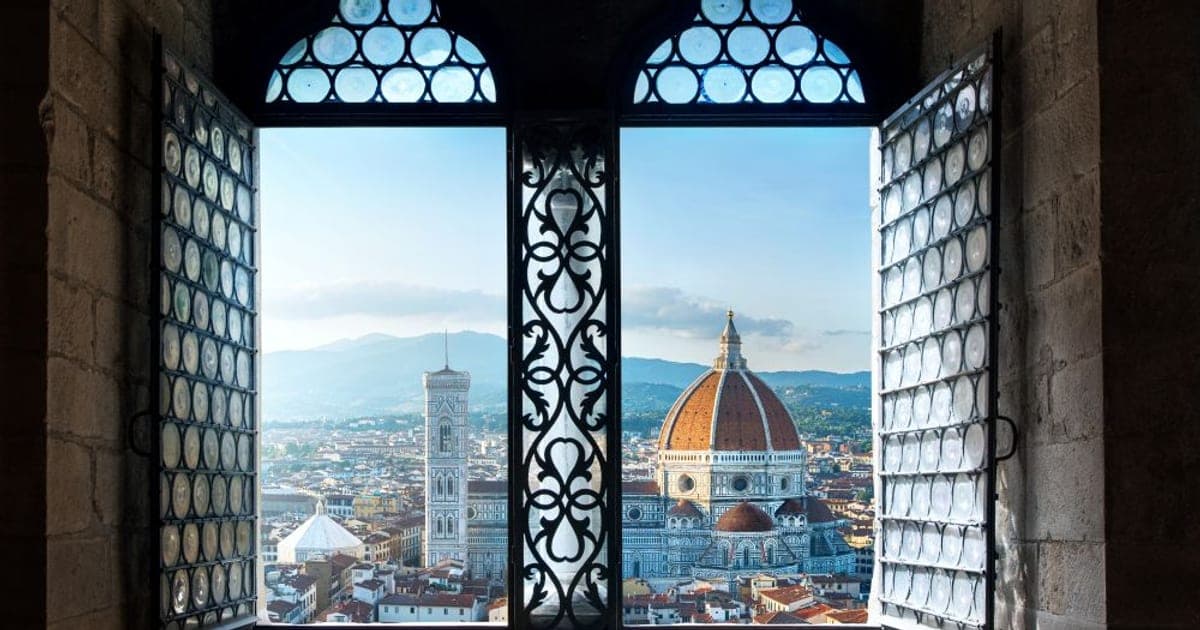
Florence is a city that rewards repeat visits. Once you've seen the Uffizi, climbed the Duomo and crossed the Ponte Vecchio, there's an entirely different Florence waiting to be discovered — one of extraordinary sculpture, small neighbourhood restaurants, artisan workshops, Renaissance frescoes and quiet streets just a few minutes from the busiest sights.
We arrived by train for two days in October, with no ambitious sightseeing checklist and no intention of joining the enormous queues that still form outside Florence's most famous attractions well into autumn.
Instead, we wanted to explore some of the city's less obvious artistic treasures, spend time in the Oltrarno, discover good places to eat and simply enjoy being in Florence without rushing.
Our base was a beautiful little guesthouse near Santa Croce, and over the next 48 hours we found ourselves in a former medieval prison surrounded by Renaissance masterpieces, standing beneath frescoes that transformed Western painting, enjoying aperitivo above the rooftops and discovering just how well you can eat in Florence without spending a fortune.
It's an itinerary that works particularly well for visitors who have been to Florence before. But even on a first visit, it offers a different way to experience one of Europe's greatest art cities.
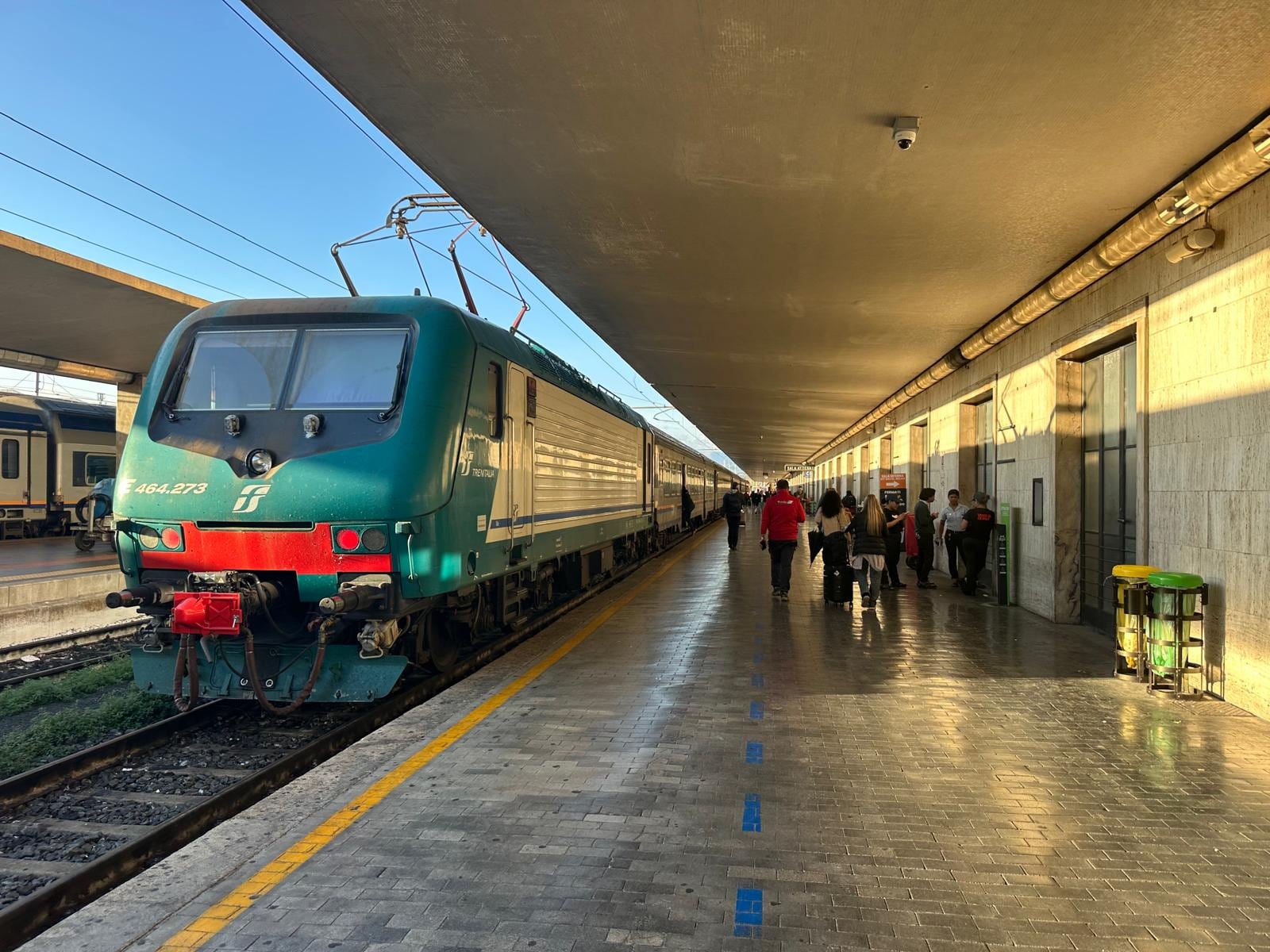
Day 1: Arriving in Florence by Train
Florence is one of Italy's easiest cities to visit without a car.
High-speed trains connect Firenze Santa Maria Novella with Rome in around 1 hour 30 minutes, Bologna in under 40 minutes on the fastest services, and Milan in around 1 hour 45 minutes.
Arriving at Santa Maria Novella puts you right on the edge of the historic centre. From here, most of Florence's principal sights are within walking distance, although a taxi can be useful if you're carrying luggage.
We headed towards Santa Croce, one of our favourite areas of Florence. It's central enough to walk almost everywhere but has a more residential atmosphere than the streets immediately around the Duomo and Piazza della Signoria.
And our accommodation turned out to be one of the discoveries of the trip.
Stay Near Santa Croce: Borgo Signature Rooms
Our home for the night was Borgo Signature Rooms @borgo_signature_rooms, a gorgeous four-room boutique residence tucked into Borgo Santa Croce, a narrow historic street just behind the famous basilica.
What makes this place particularly special is its individuality. Each room is different, furnished with pieces from the owners' private antique collection and named after a fragrance created by the artisan perfumery Aquaflor, almost directly opposite.
There is also a little shared sitting room, kitchen and terrace, giving it the intimate feeling of staying in a beautiful Florentine home rather than a conventional hotel.
Step outside and the street itself is a delight.
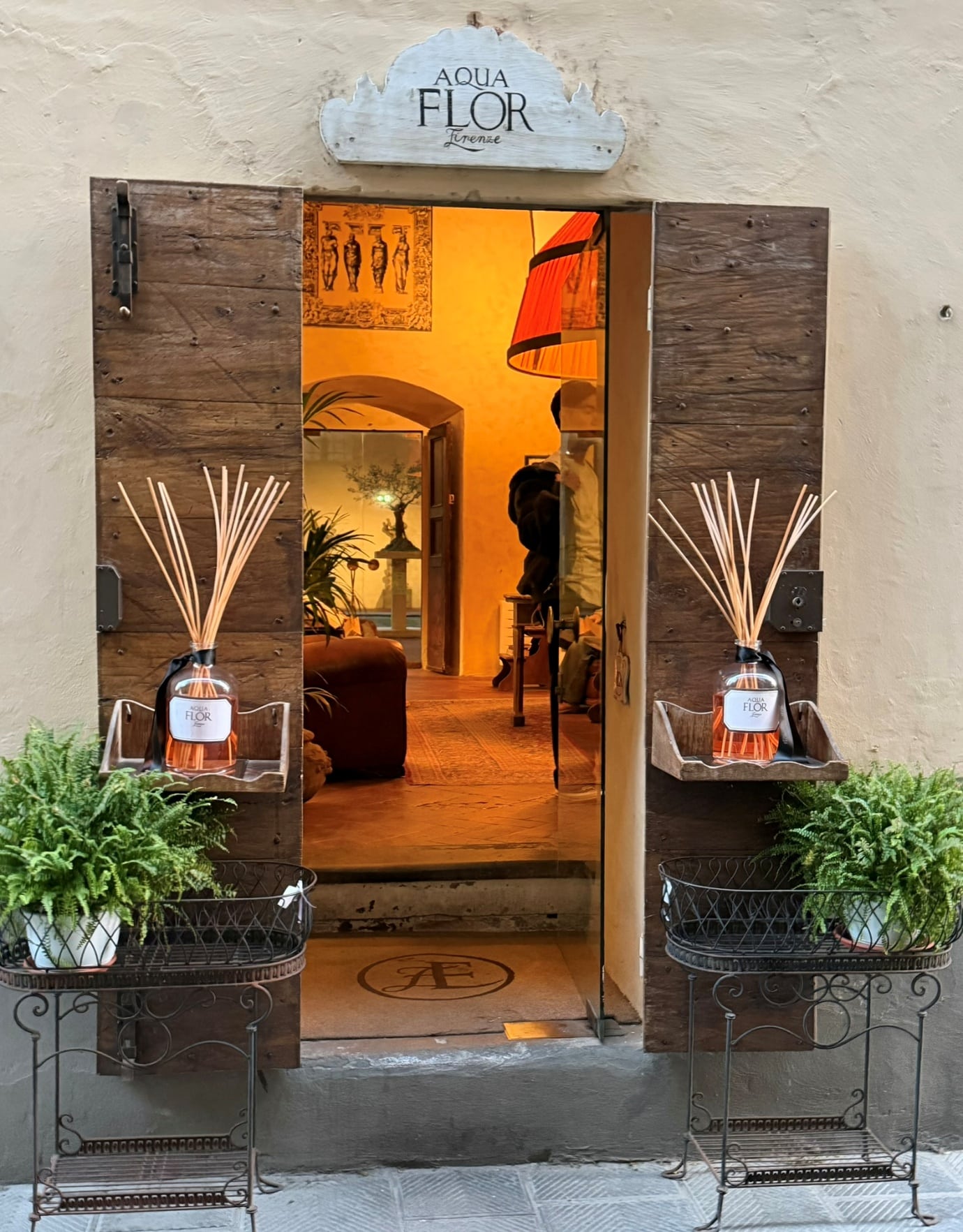
Almost immediately, you become aware of the wonderful fragrances drifting from Aquaflor @aquaflorfirenze, whose beautiful perfumery occupies part of the historic Palazzo Corsini Antinori Serristori.
Inside, shelves of glass bottles, perfumes and aromatic ingredients celebrate Florence's centuries-old tradition of artisanal fragrance-making. Aquaflor produces its perfumes in its own Florentine laboratory, and visitors can explore the collection or book experiences dedicated to the art of perfumery.
It's a lovely little discovery, and a reminder that Florence's tradition of craftsmanship extends far beyond painting and sculpture.
A Florentine Lunch: The Search for the Perfect Schiacciata
Our first priority after checking in was lunch.
And in Florence, one of the best lunches you can have doesn't require a restaurant reservation.
It comes wrapped in paper.
Schiacciata is a traditional Tuscan flatbread, baked with olive oil and salt until the outside is crisp and golden while the inside remains soft enough to hold generous fillings.
The name comes from the Italian verb schiacciare, meaning to flatten or press.
Unlike an ordinary sandwich, a good schiacciata has its own distinctive flavour and texture. The bread is an essential part of the experience, not simply something holding the ingredients together.
Florence has become famous for its enormous stuffed schiacciate, filled with combinations of cured meats, cheeses, vegetables, truffle creams and other Tuscan specialities.
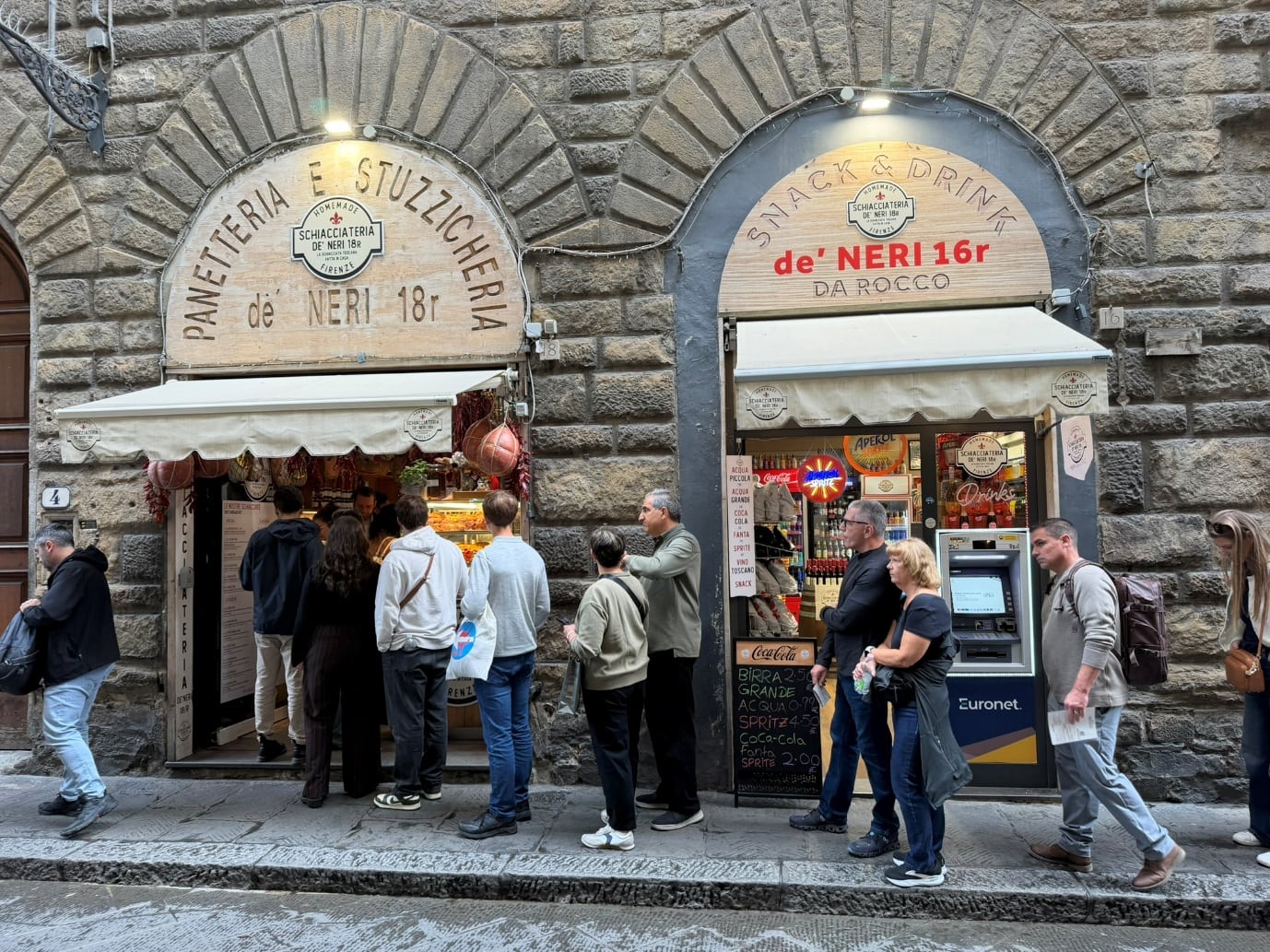
Two of the best-known places are All'Antico Vinaio @allanticovinaio and Schiacciateria de' Neri, both hugely popular and thoroughly deserving of their reputations.
But their success comes with a drawback: queues.
When we walked along Via dei Neri, the pavements were packed with people waiting for sandwiches.
Rather than join them, we crossed the street to Le Schiacciate della Fiaschetteria, directly opposite Schiacciateria de' Neri.
There was no queue at all.
Within minutes we had two enormous, beautifully crunchy schiacciate, generously filled with excellent Tuscan ingredients.
And they were fabulous.
We wandered down towards the Arno, found somewhere to sit beside the river and enjoyed one of the simplest and most satisfying lunches of the trip.
There's something particularly enjoyable about eating good street food in a beautiful city, especially when you've avoided spending half an hour standing in a queue.
The Bargello: Florence's Extraordinary Museum of Sculpture
After lunch, we wanted to spend the afternoon exploring somewhere away from Florence's busiest tourist attractions.
The obvious choices would have been the Uffizi or Accademia, but both attract enormous numbers of visitors, even in October.
Instead, we headed to the Museo Nazionale del Bargello @bargellomuseums.
It turned out to be one of the highlights of our visit.
If the Uffizi tells the story of Renaissance painting, the Bargello brings that same extraordinary period to life in three dimensions.
Sculpture, bronze, marble, ceramics, armour, jewellery and intricate decorative objects fill the rooms of a magnificent medieval palace.
And on our visit, there were virtually no crowds.
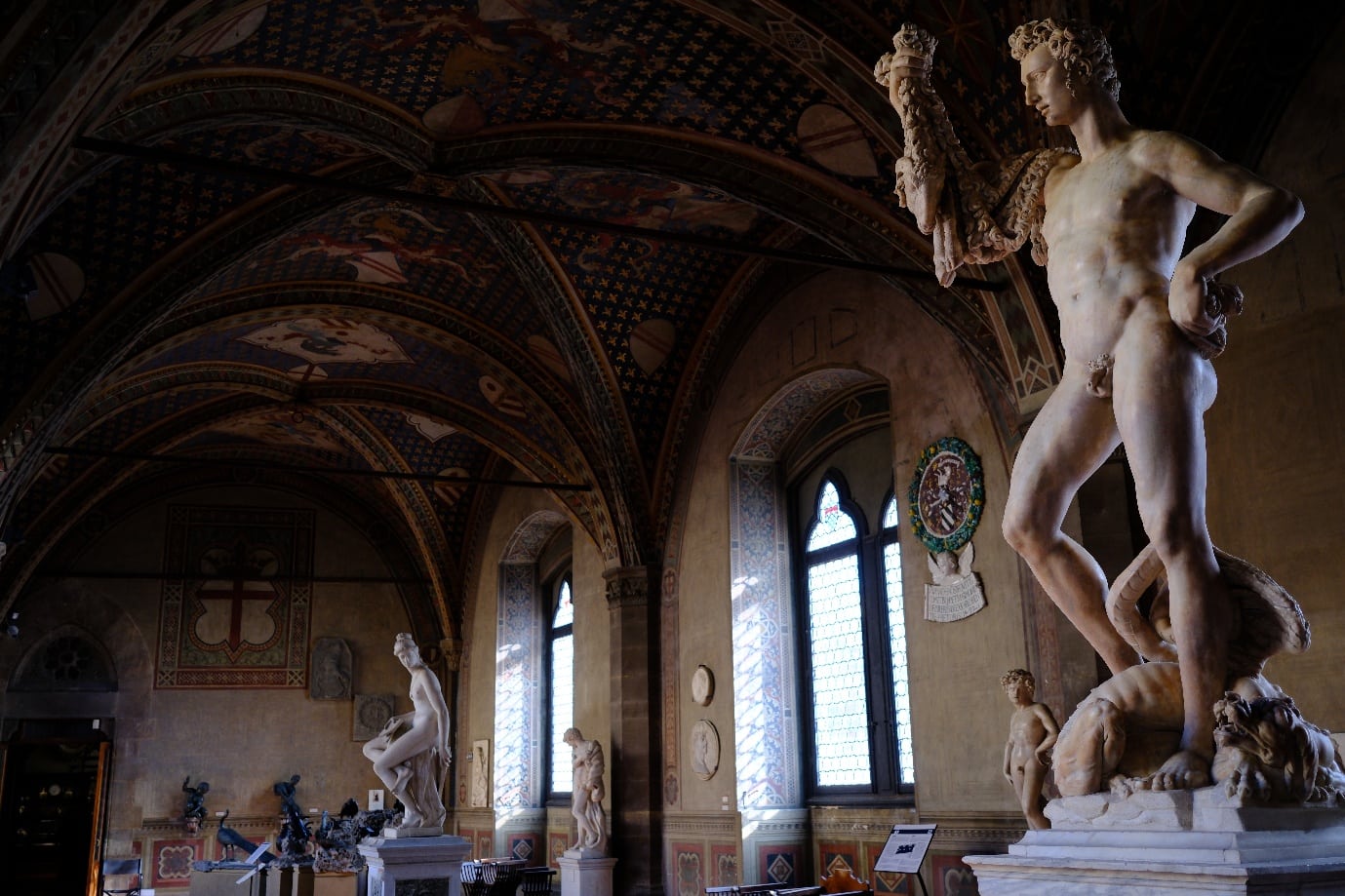
From Medieval Palace to Prison to Museum
The building itself is as fascinating as the collections.
Constructed in the mid-13th century, the Palazzo del Bargello is one of Florence's oldest surviving civic buildings.
It originally housed the Capitano del Popolo, a powerful official appointed to represent the interests of the city's citizens, and later became the seat of the Podestà, Florence's chief magistrate.
Over the centuries, the palace acquired a much darker role.
It became the headquarters of the Bargello, the city's chief of police, and served as a prison. Its courtyard, now one of the museum's most beautiful spaces, was once associated with public punishments and executions.
In 1865, following restoration, the building opened as the Museo Nazionale del Bargello, becoming Italy's first national museum.
Today its medieval architecture provides an extraordinary setting for one of the world's finest collections of Renaissance sculpture.
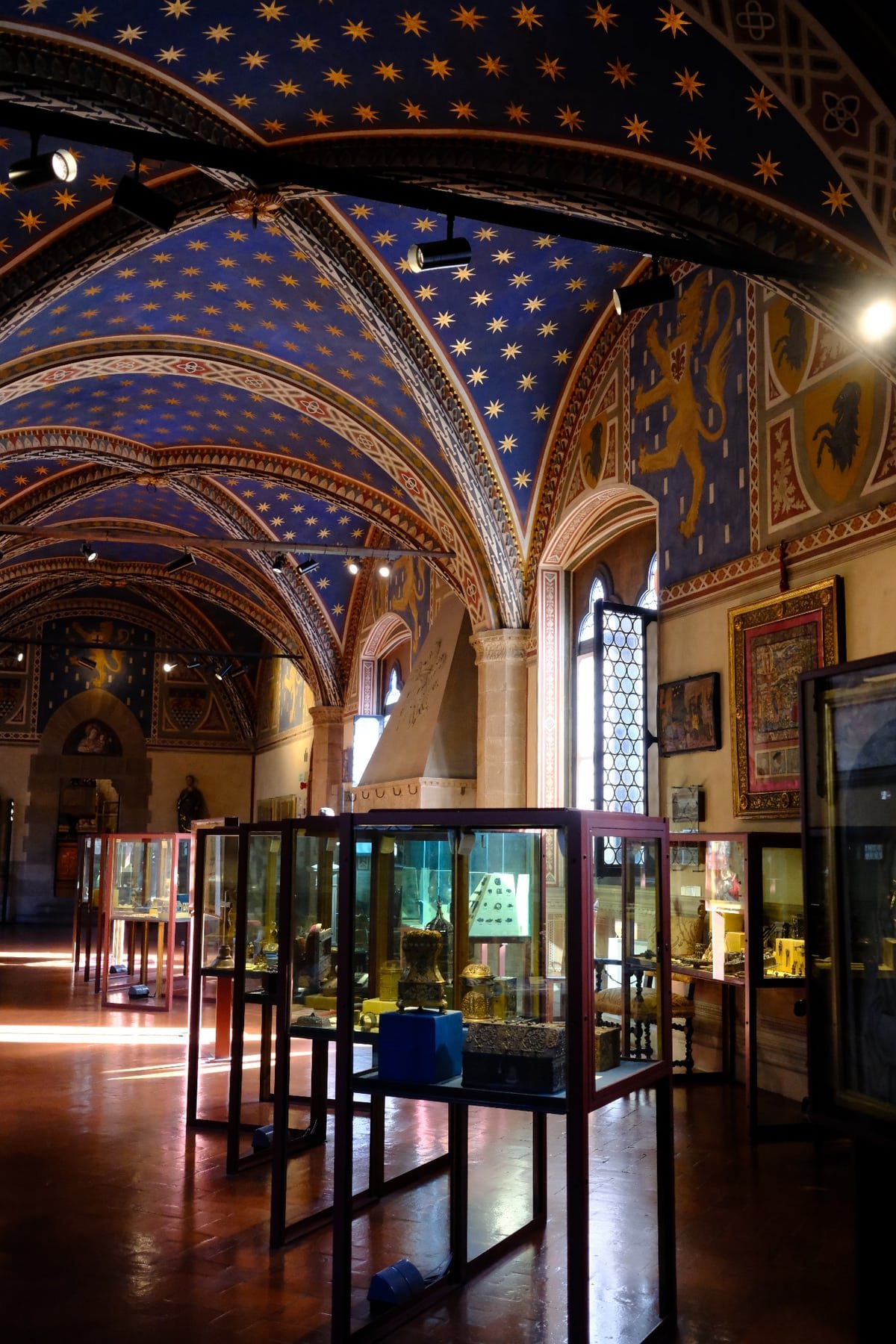
Donatello, Michelangelo and the Birth of Renaissance Sculpture
One of the museum's greatest treasures is Donatello's bronze David.
Created in the 15th century, it is generally considered the first freestanding nude male statue cast in bronze since antiquity.
The youthful David stands with one foot resting on Goliath's severed head, his expression strangely contemplative rather than triumphant.
It was a revolutionary work, demonstrating how Renaissance artists were rediscovering the human body and classical sculptural traditions.
Nearby, Donatello's marble David reveals how his approach developed over time.
The Bargello also contains two remarkable bronze reliefs of the Sacrifice of Isaac, created by Lorenzo Ghiberti and Filippo Brunelleschi for the famous 1401 competition to design new doors for Florence's Baptistery.
Seeing the two panels side by side is fascinating.
Ghiberti's elegant, harmonious composition ultimately won the competition, while Brunelleschi's version is more dramatic and forceful.
The competition became one of the defining moments in the early history of the Florentine Renaissance.
Then there is Michelangelo.
His Bacchus, carved when he was still in his early twenties, depicts the Roman god of wine with a wonderfully convincing sense of unsteady movement.
Unlike the idealised, heroic figures associated with much classical sculpture, this Bacchus appears almost drunk enough to topple over.
The museum also houses Michelangelo's Brutus and the beautiful Tondo Pitti, a circular marble relief of the Virgin and Child.
And beyond these celebrated works are extraordinary collections of glazed terracotta by the della Robbia family, small bronzes, ivory carvings, enamelled objects and decorative arts.
We found ourselves lingering over details that would be easy to overlook in a larger, busier museum.
The Bargello is a wonderful reminder that Renaissance Florence wasn't simply a city of painters. It was also home to some of the most inventive sculptors, metalworkers and craftsmen in European history.
Allow at least 90 minutes, preferably two hours.
Museum information and tickets: Bargello Museums
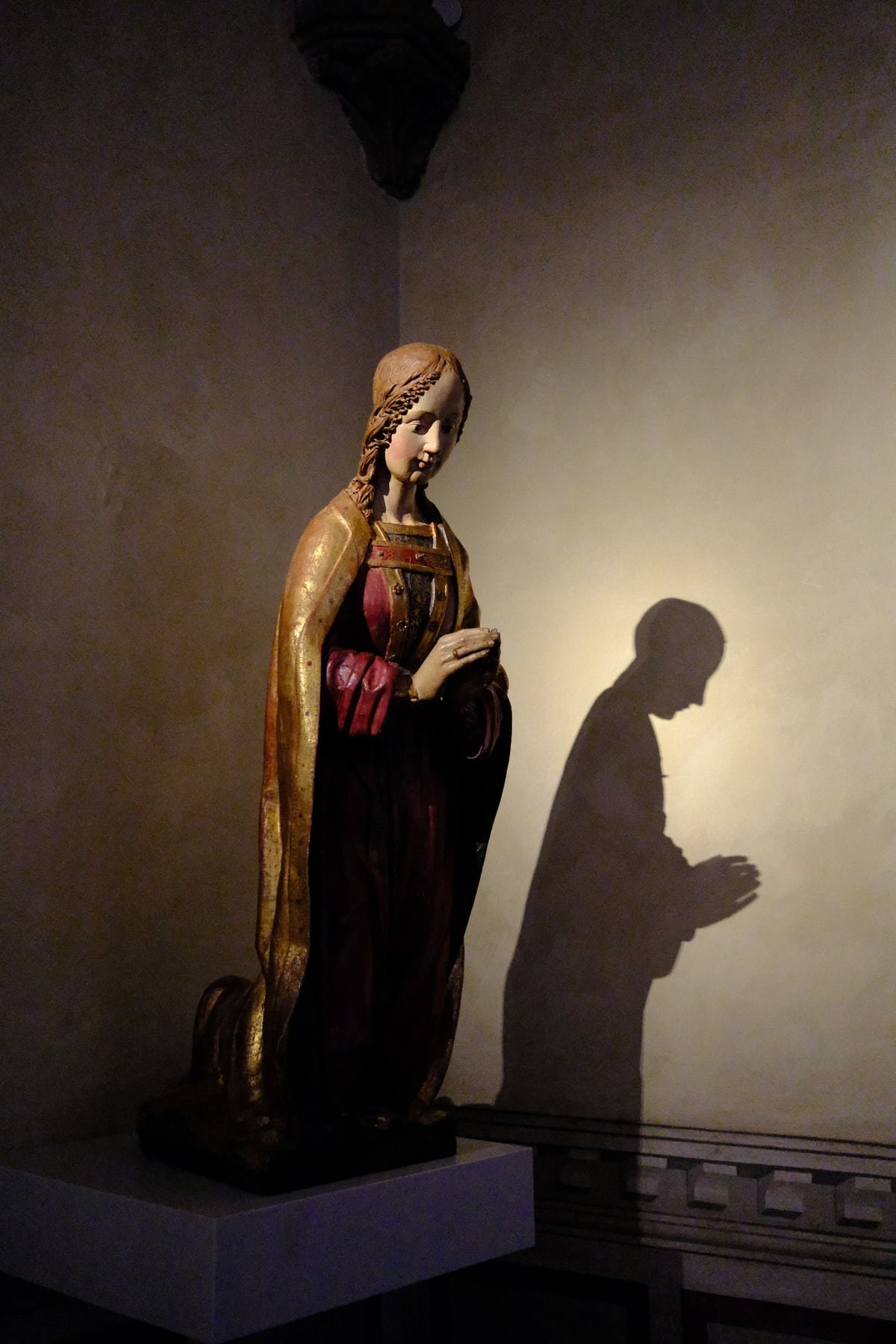
Across the Arno: Discovering the Oltrarno
Leaving the Bargello, we headed across the river towards the Oltrarno.
The name simply means "beyond the Arno", but this part of Florence has a character all its own.
While the streets around the Duomo and Piazza della Signoria are dominated by major monuments, the Oltrarno retains a stronger sense of neighbourhood life.
Around Santo Spirito and San Frediano, you'll find small independent shops, antique dealers, galleries, artisan workshops, interesting restaurants and bars tucked into centuries-old buildings.
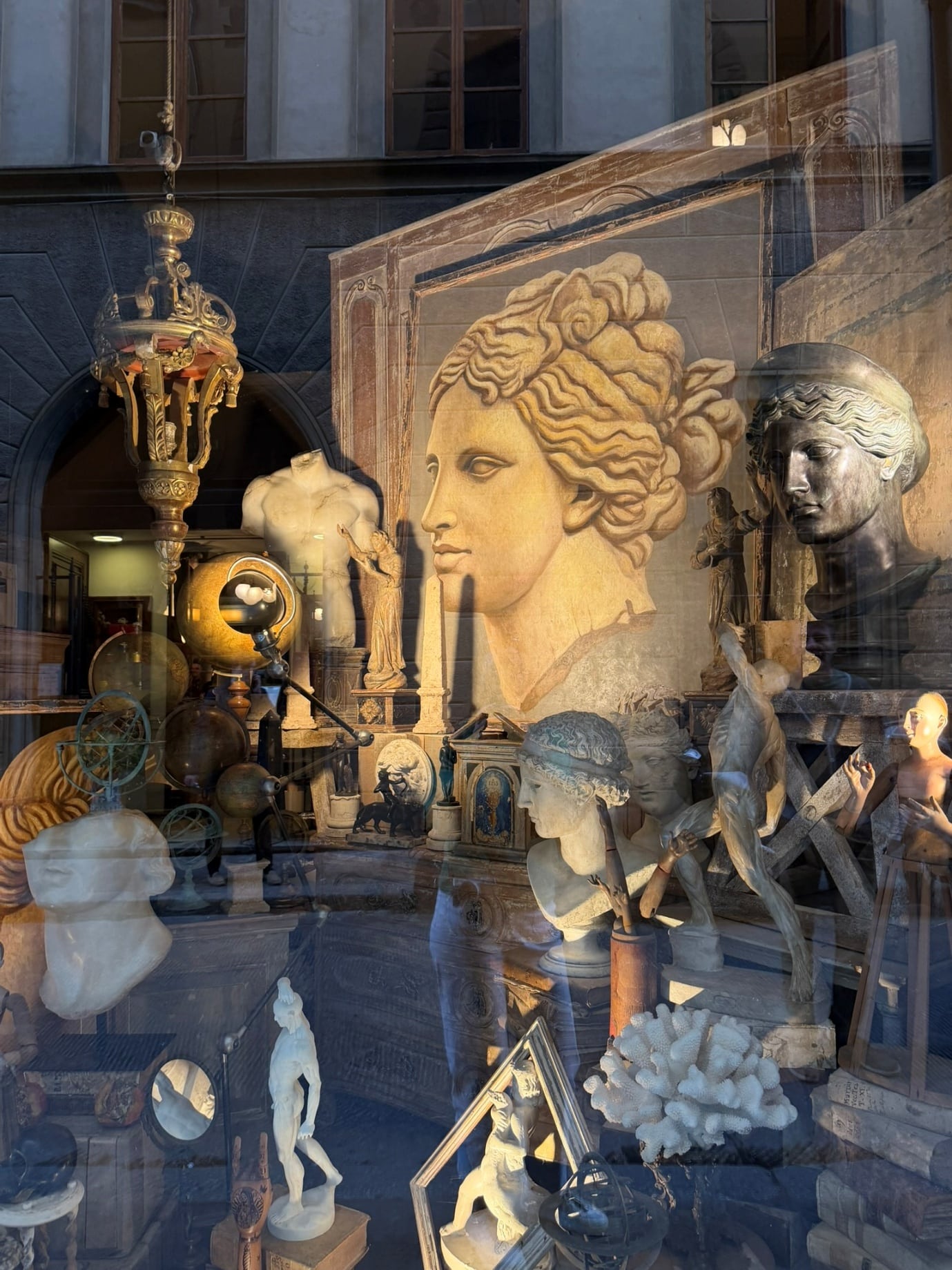
Florence has a long tradition of craftsmanship, and the Oltrarno remains one of the best places to encounter it.
Woodworkers, picture restorers, jewellers, leatherworkers and other artisans continue to work in a neighbourhood where workshops have occupied the same streets for generations.
It's an area best explored without a rigid itinerary.
We wandered along the narrow streets, looking into shop windows, admiring old doorways and discovering little corners of Florence that feel far removed from the city's most photographed landmarks.
But we did have one important appointment.
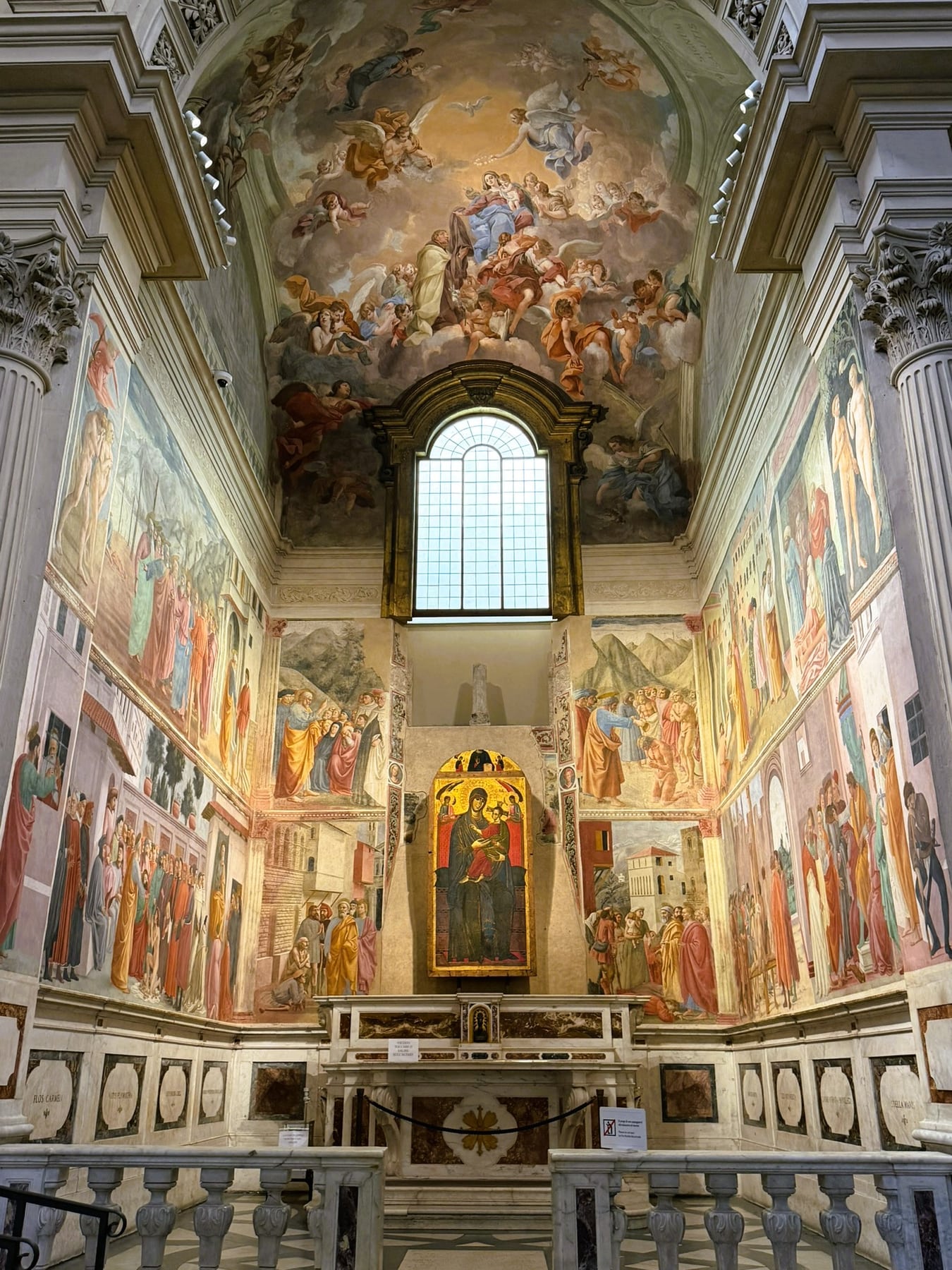
The Brancacci Chapel: Where Renaissance Painting Changed Forever
Tucked inside the Church of Santa Maria del Carmine is one of the most important artistic treasures in Florence.
The Brancacci Chapel may be relatively small, but its influence on Western art has been enormous.
Its frescoes were begun in the 1420s by Masolino and his younger collaborator Masaccio, before being completed decades later by Filippino Lippi.
What makes the chapel so significant is the extraordinary transformation in the way human figures were painted.
During the Middle Ages, religious painting had often emphasised symbolism over realism. Figures could appear flat, idealised and detached from their surroundings.
Masaccio changed that.
He gave his figures convincing weight and physical presence, placing them within architectural spaces that obeyed the new principles of linear perspective.
Light falls consistently across bodies and buildings. Faces reveal genuine emotion. People seem to occupy real space.
The result was revolutionary.
Adam and Eve Like You've Never Seen Them
One of the chapel's most powerful paintings is Masaccio's Expulsion from the Garden of Eden.
Adam covers his face in anguish while Eve cries out, her expression conveying an extraordinary sense of shame and grief.
It's a deeply human scene, quite unlike the more formal religious imagery that preceded it.
Nearby, The Tribute Money demonstrates Masaccio's mastery of perspective and narrative.
The fresco tells three episodes of a biblical story within a single continuous landscape, with Christ and his disciples arranged around a central scene.
Its architectural depth, naturalistic figures and carefully controlled light helped establish principles that generations of Renaissance painters would follow.
Michelangelo is known to have studied the frescoes, as did many other artists who came to Florence to understand the new Renaissance approach to painting.
Standing inside the chapel, it's remarkable to think how much of Western art history was influenced by this relatively small space.
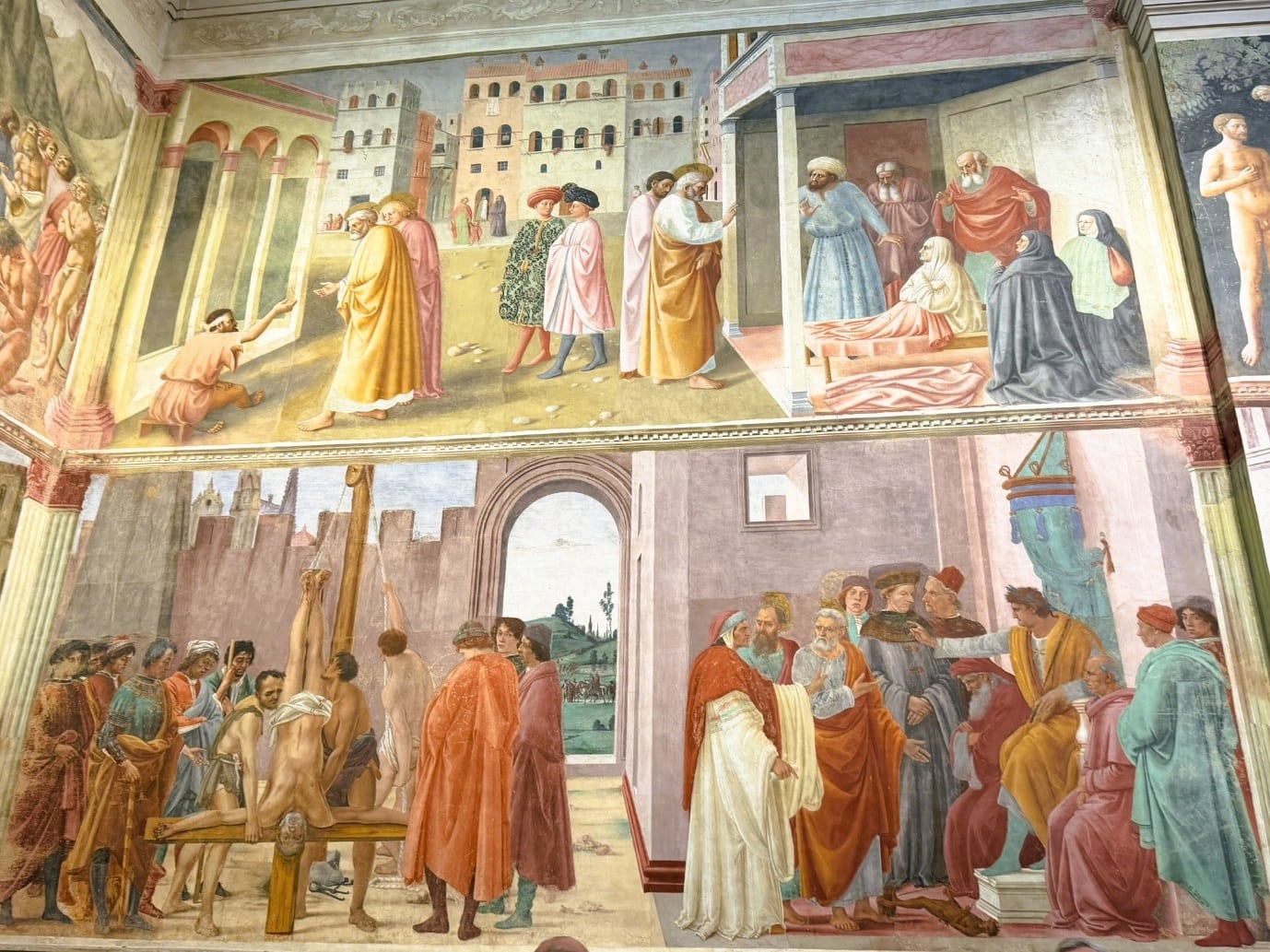
Booking the Brancacci Chapel
The chapel is one of Florence's attractions where advance planning really pays off.
Visits are timed and numbers are limited to protect the frescoes and manage the small interior.
We booked our tickets in advance, which meant we could arrive at our allocated time without queuing.
Allow around 30 minutes for the chapel itself, although you may want longer to explore the surrounding area.
Check current opening arrangements and book through the official Florence museums website:
Aperitivo Above Santo Spirito: Palazzo Guadagni
By late afternoon, after a wonderful day of art and walking, it was time for an aperitivo.
And we'd found the perfect place.
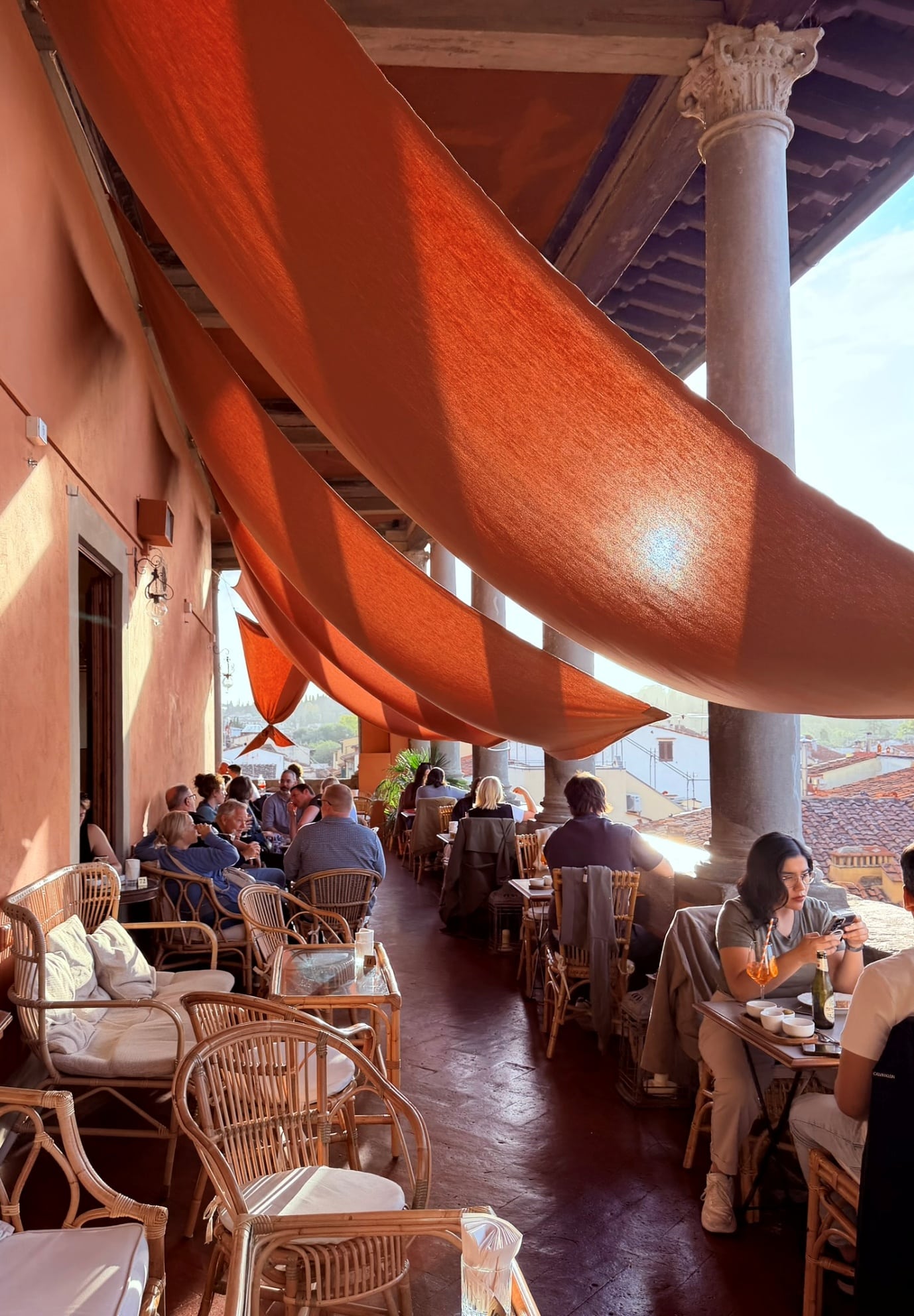
Overlooking Piazza Santo Spirito, Hotel Palazzo Guadagni occupies a beautiful Renaissance palace, but the real attraction for non-residents is its extraordinary rooftop loggia.
The Loggia Roof Bar @loggia_roofbar is one of Florence's loveliest places for a drink.
Unlike some of the city's more fashionable rooftop bars, this isn't a vast terrace with loud music and elaborate decoration.
It's an elegant, sheltered Renaissance loggia, with graceful arches framing views across terracotta rooftops, church towers and the surrounding hills.
Below, Piazza Santo Spirito was beginning to fill with people enjoying the late afternoon.
We found a table, ordered drinks and sat watching the changing light over Florence.
In October, the sun was still warm enough to sit comfortably outside, and the rooftops took on that wonderful golden colour that makes Florence so beautiful in autumn.
It's a particularly good place to appreciate the city from above without the crowds of Piazzale Michelangelo.
And after several hours exploring museums and churches, it felt like exactly the right way to end the afternoon.
The rooftop is open to non-residents, although booking ahead is sensible, particularly around sunset. Palazzo Guadagni
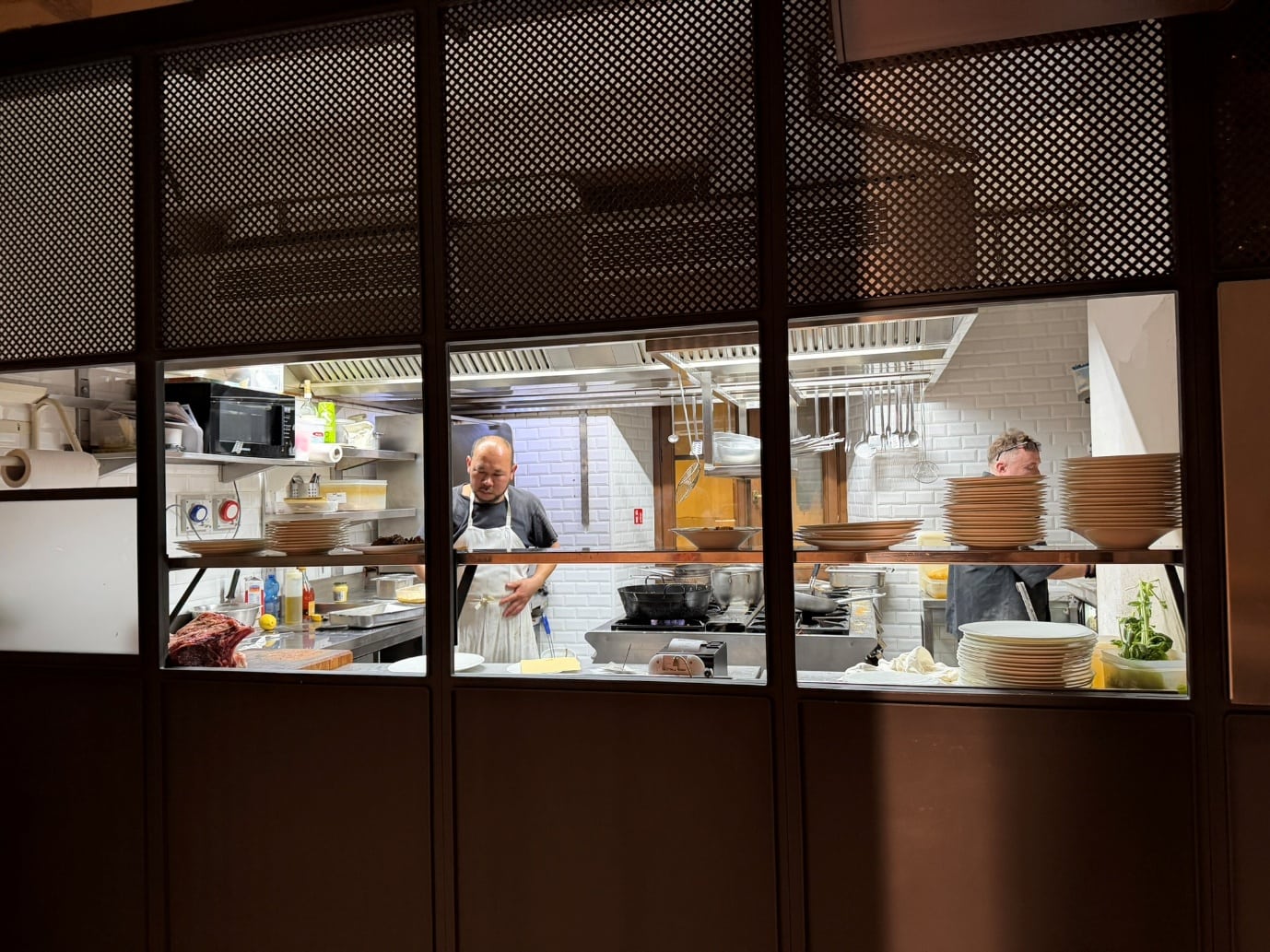
Dinner at Vini e Vecchi Sapori: A Florentine Institution
Later that evening, we returned to the historic centre for dinner at Vini e Vecchi Sapori, @vini_e_vecchi_sapori, just off Piazza della Signoria.
It's one of those restaurants that seems determined to remain exactly what it is: small, traditional, unpretentious and devoted to good Tuscan cooking.
The dining room is intimate, with closely packed tables, a warm atmosphere and a menu that celebrates familiar Florentine dishes rather than fashionable reinventions.
Expect traditional pasta, hearty meat dishes and regional specialities, with an emphasis on straightforward ingredients and careful preparation.
What makes Vini e Vecchi Sapori so appealing is its consistency.
Florence has no shortage of restaurants catering to visitors, particularly around its most famous squares. Finding somewhere in such a central location that still feels genuinely rooted in local food traditions is increasingly valuable.
We had booked well in advance, and I'd strongly recommend doing the same.
It's a small restaurant, and tables are understandably sought after.
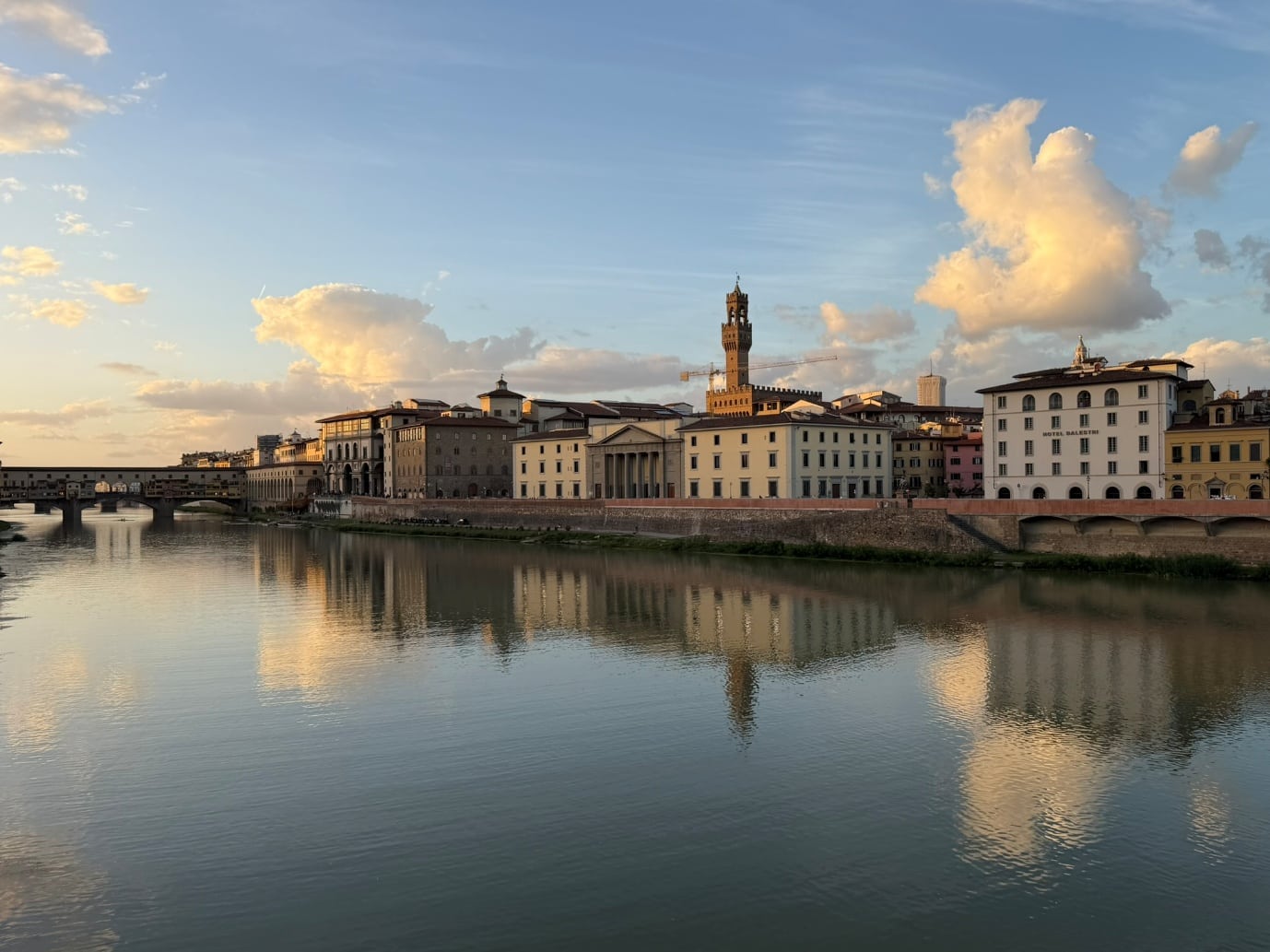
After dinner, the walk back towards Santa Croce took us through the illuminated streets of central Florence — one of the pleasures of staying overnight rather than visiting for the day.
A Late-Night Cocktail at Quelo Bar
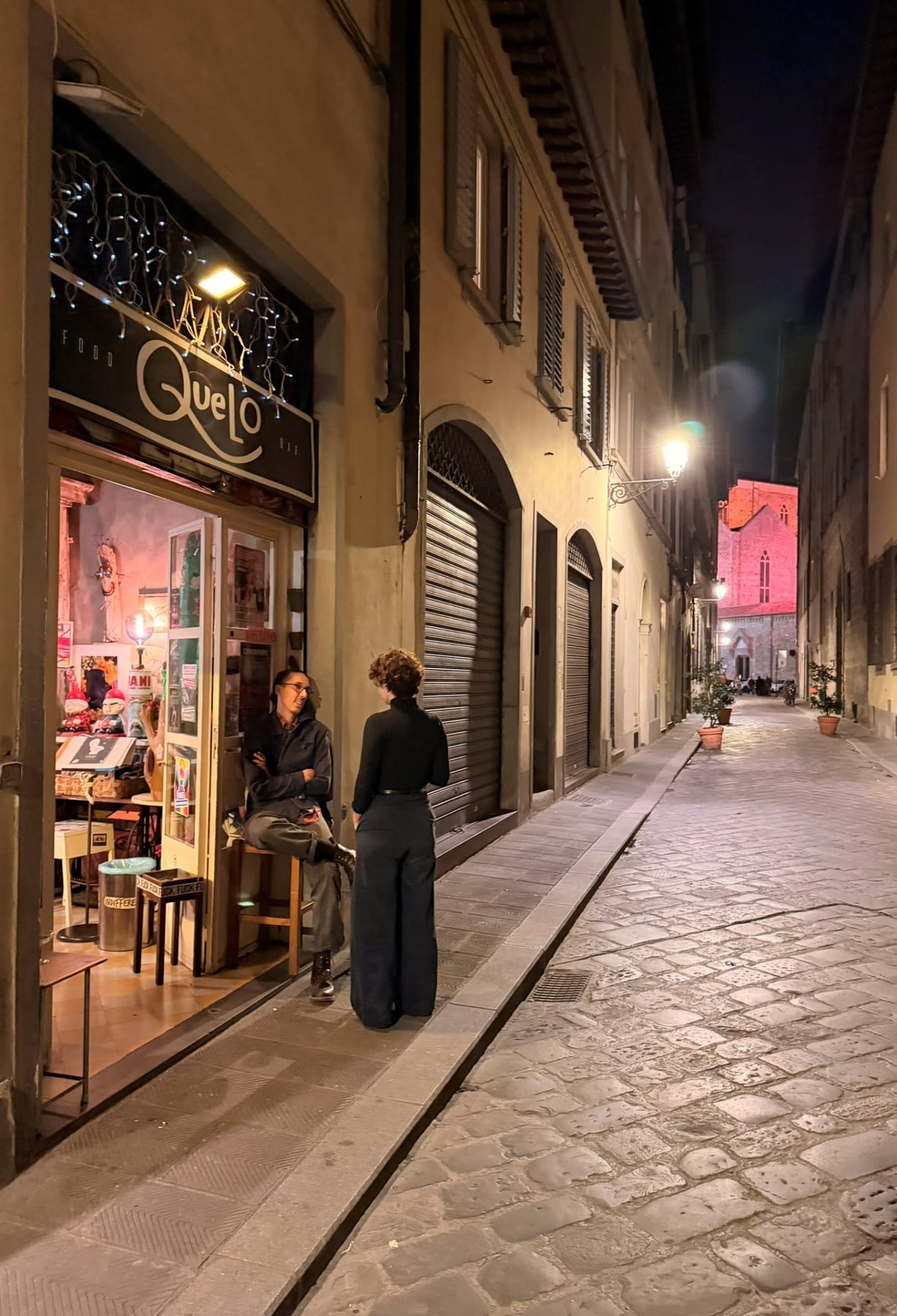
Back in Borgo Santa Croce, just a few steps from our accommodation, we discovered another reason to love this little street.
Quelo Bar is a relaxed, intimate cocktail bar with a friendly neighbourhood atmosphere — just the place for a final drink before heading to bed.
Alongside the familiar cocktail classics, there's a creative selection of house cocktails with interesting local influences and ingredients. It's a refreshing alternative to Florence's more fashionable and expensive rooftop bars, with none of the fuss.
After a day spent exploring Renaissance art, wandering through the Oltrarno and enjoying a wonderful Tuscan dinner, it was lovely to finish the evening somewhere so close to our hotel.
And with Borgo Signature Rooms just along the street, we couldn't have asked for a more convenient last stop.
Day 2: Coffee, Artemisia Gentileschi and the Markets of Florence
Our second morning began with coffee and a leisurely walk through the historic centre.
One of the great advantages of spending a night in Florence is having the early morning to yourself before the busiest sightseeing hours begin.
We were heading towards Piazza della Santissima Annunziata, one of the city's most harmonious Renaissance squares, for a special exhibition at the Museo degli Innocenti.
And this was another highlight of our visit.
Artemisia Gentileschi: A Remarkable Exhibition at the Museo degli Innocenti
Florence's Museo degli Innocenti is a fascinating place in its own right.
Occupying the historic Ospedale degli Innocenti, designed by Filippo Brunelleschi in the early 15th century, the building was created as a hospital and refuge for abandoned children.
Its elegant loggia overlooking Piazza della Santissima Annunziata is one of the defining works of early Renaissance architecture.
Today the museum explores the history of the institution and its remarkable social mission, alongside collections of Renaissance art.
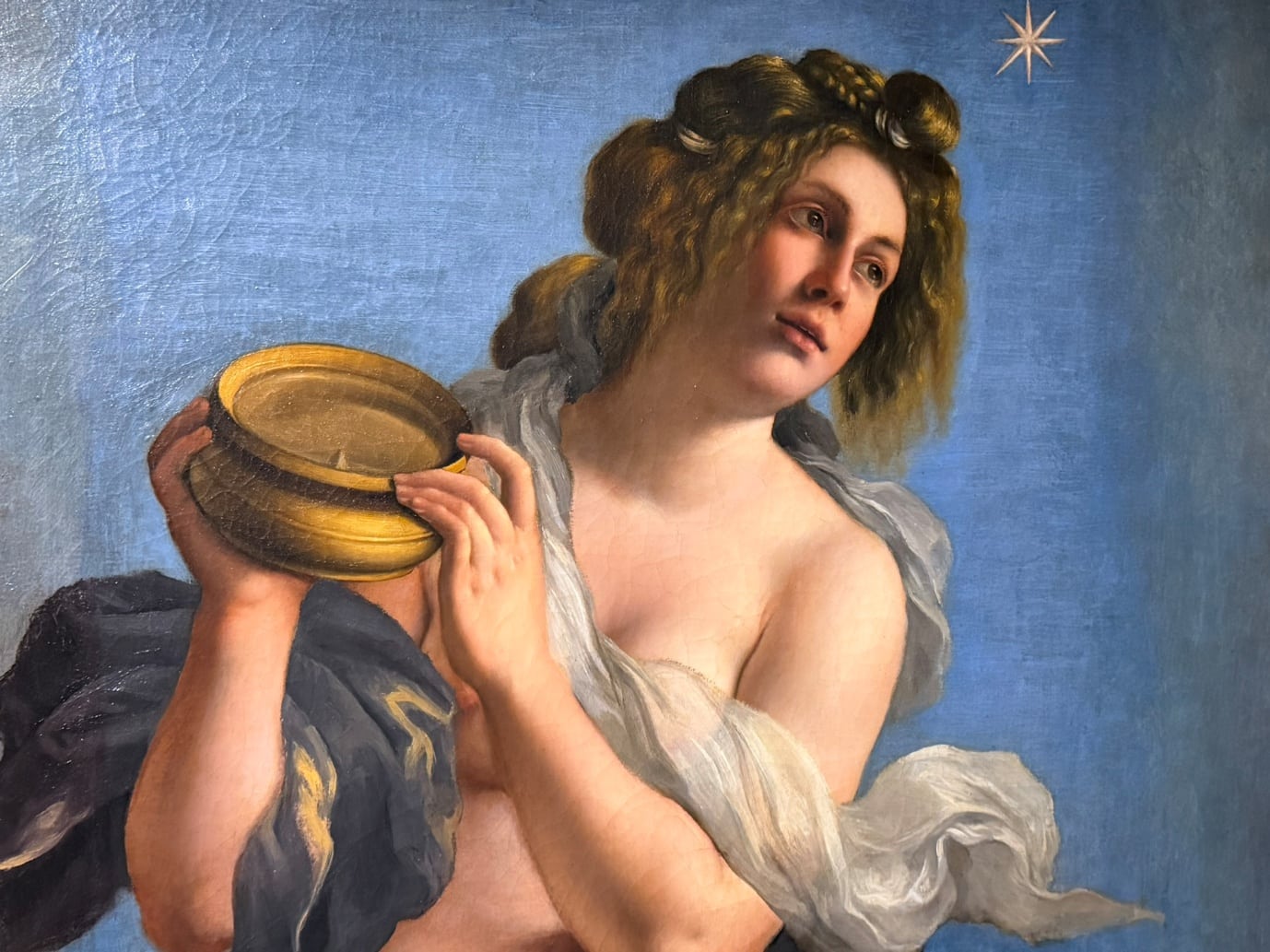
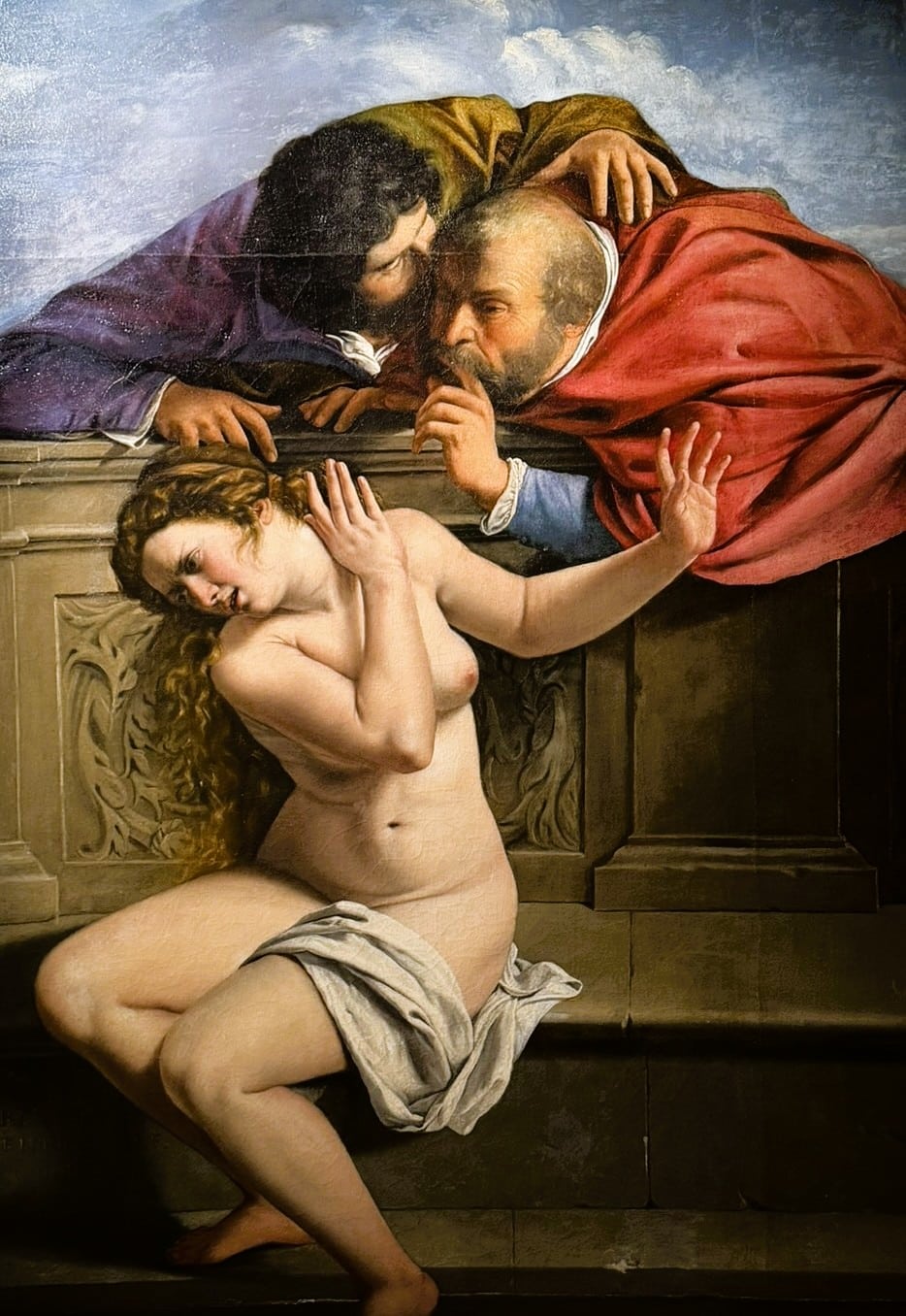
But our reason for visiting was the newly opened exhibition Artemisia Gentileschi in Florence, running from 20 October 2026 to 4 April 2027.
It's an important opportunity to discover one of the most remarkable women in the history of European painting.
The Extraordinary Life of Artemisia Gentileschi
Born in Rome in 1593, Artemisia was the daughter of painter Orazio Gentileschi, who recognised her talent and trained her in his workshop.
From an early age, she demonstrated an exceptional ability to depict dramatic scenes, strong emotions and the human figure.
Her style was profoundly influenced by Caravaggio, particularly his use of dramatic contrasts between light and darkness.
But Artemisia's path to becoming a professional artist was extraordinarily difficult.
In 1612, she became the central figure in a highly publicised trial after accusing painter Agostino Tassi of rape. The proceedings subjected her to humiliating questioning and physical torture intended to test her testimony.
Tassi was convicted, although the punishment imposed was not meaningfully enforced.
For centuries, Artemisia's extraordinary artistic achievements were too often overshadowed by this episode.
Yet what happened next is just as important to understanding her life.
Artemisia moved to Florence, where she began building an independent artistic career in a society that offered very few opportunities to women.
She developed relationships with leading intellectuals and artists, received commissions from the Medici court and became the first woman admitted to Florence's prestigious Accademia delle Arti del Disegno in 1616.
Her paintings are remarkable for their psychological intensity, powerful female subjects and masterful handling of light.
Works such as Judith Slaying Holofernes are uncompromising in their physical realism and emotional force, while others reveal her ability to depict tenderness, vulnerability and quiet reflection.
Artemisia was not simply an exceptional female artist working against the odds. She was one of the outstanding painters of the Italian Baroque.
Why This Exhibition Is Worth Seeing
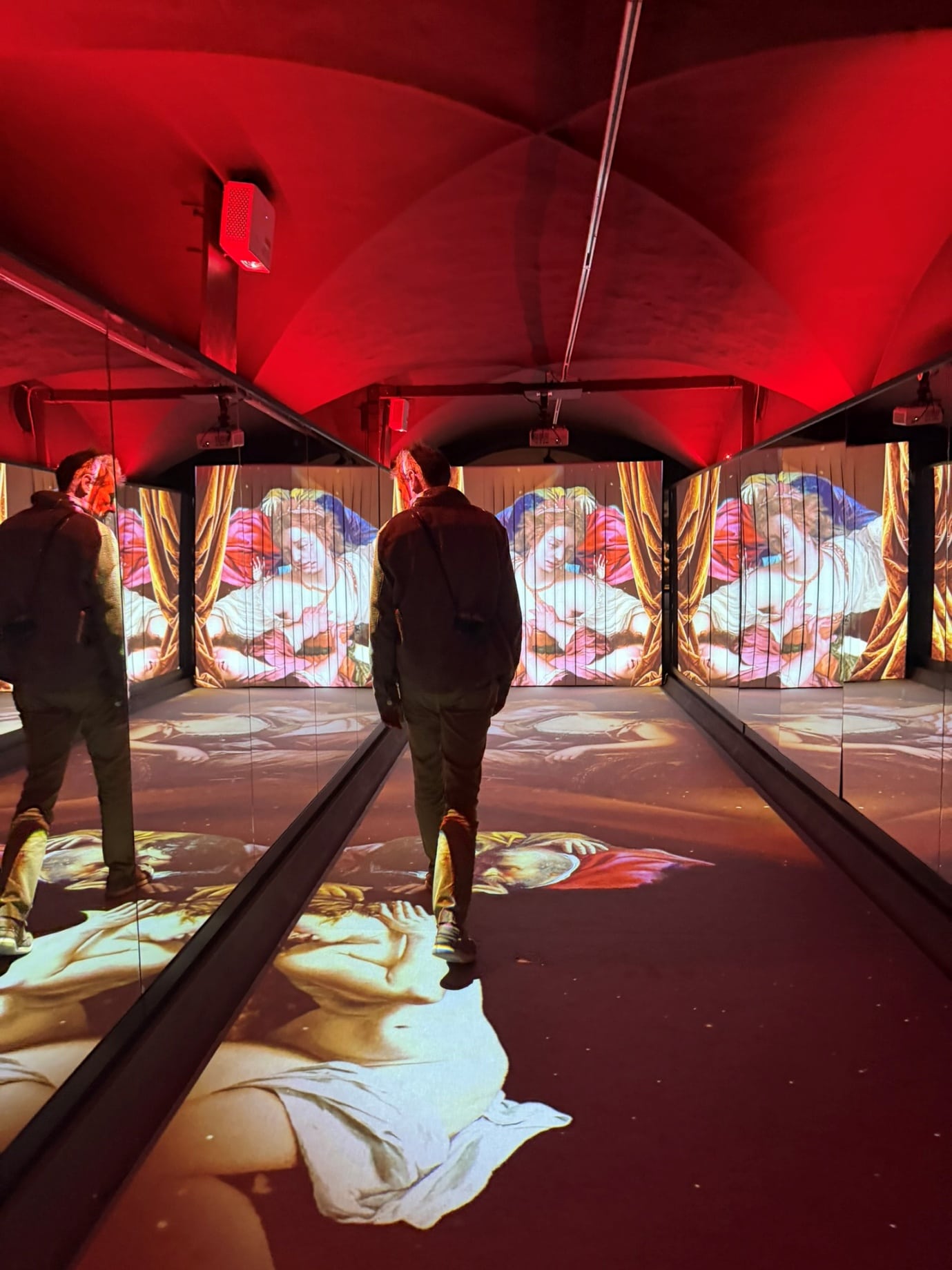
The exhibition focuses on Artemisia's years in Florence, a period that was fundamental to her artistic development and professional independence.
Featuring more than 50 works from Italian and international collections, it places her paintings alongside those of contemporaries, including Caravaggio and leading Florentine artists of the 17th century.
The result is an opportunity to understand Artemisia within the artistic world in which she worked, rather than viewing her life solely through the circumstances of the trial.
For anyone interested in art history, it provides a fascinating contrast with the Renaissance masterpieces encountered elsewhere in Florence.
Where Masaccio and Donatello helped transform the visual language of the 15th century, Artemisia represents a later generation of artists exploring drama, emotion and the expressive possibilities of light.
The exhibition also offers a valuable reminder of the women whose contributions to art history have not always received the recognition they deserve.
Allow around 90 minutes, although serious art enthusiasts may want longer.
The exhibition ticket also includes access to the museum's permanent collections.
Artemisia Gentileschi in Florence: 20 October 2026 – 4 April 2027
Lunch at Sant'Ambrogio Market: Trattoria da Rocco
After a morning immersed in art, we were ready for something altogether more down to earth.
We headed east towards Sant'Ambrogio, one of Florence's most enjoyable neighbourhoods and home to a wonderful traditional food market.
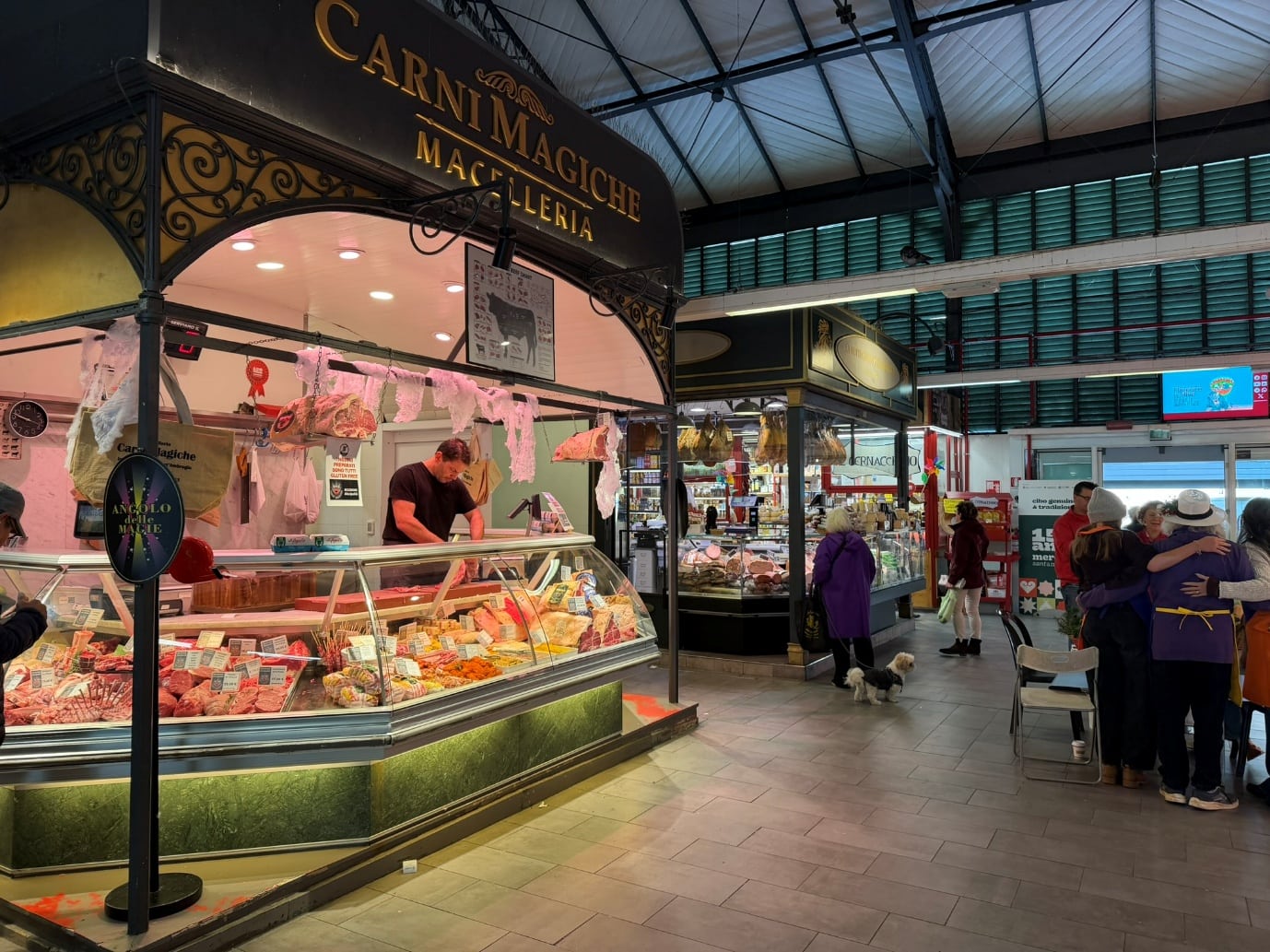
Unlike the famous Mercato Centrale near San Lorenzo, which has become a major destination for visitors, Mercato di Sant'Ambrogio still feels closely connected to everyday Florentine life.
Inside the covered market, butchers, fishmongers, greengrocers and other food traders sell produce to local residents and restaurants.
Outside, additional stalls spill into the surrounding streets.
It's a lively, practical market rather than a carefully curated food hall, and that is precisely its appeal.
Tucked inside is Trattoria da Rocco, @trattoriadarocco, a wonderfully traditional little restaurant that has been feeding Florentines since 1987.
There is nothing elaborate about it.
Tables are packed closely together, the menu changes according to what's available, and the cooking is firmly rooted in Tuscan home-style traditions.
You might find ribollita, pappa al pomodoro, trippa, peposo or a generous plate of pasta, accompanied by a glass of local wine.
The atmosphere is informal and sociable, with market traders, residents and visitors sitting side by side.
And the prices are refreshingly reasonable for central Florence.
It's the sort of place where lunch feels like part of the city's daily life rather than a tourist experience.
Trattoria da Rocco is open for lunch from Monday to Saturday and closes in the afternoon, so don't leave your visit too late.
A Wander Through Sant'Ambrogio's Antique Market
After lunch, we spent some time exploring the surrounding streets.
Sant'Ambrogio is one of those Florence neighbourhoods where it's easy to lose an hour browsing small shops and wandering without any particular destination.
Close to the food market is the Mercato delle Pulci, Florence's flea and antiques market, now housed in a dedicated covered market space near Piazza Annigoni.
Here you'll find dealers selling vintage objects, old prints, paintings, furniture, decorative pieces and all sorts of curiosities.
Some stalls specialise in genuine antiques, while others are more of a treasure hunt through the everyday objects of earlier generations.
It's worth browsing even if you have no intention of buying anything.
The surrounding streets also contain independent shops, cafés and small restaurants, making this a particularly enjoyable part of Florence to explore away from the most heavily visited monuments.
One Last Walk Through Florence
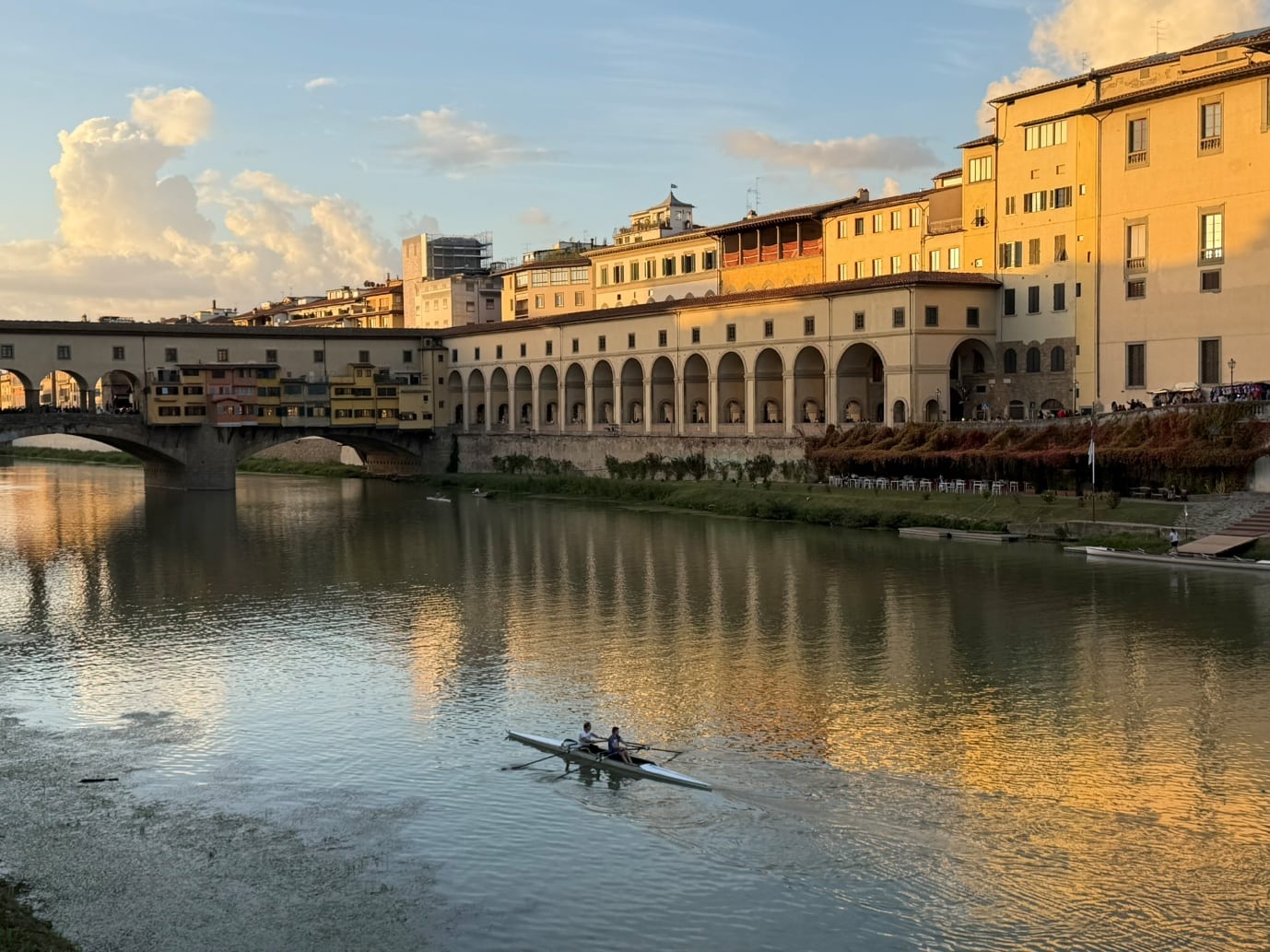
By mid-afternoon, it was time to make our way back towards Santa Maria Novella for the train home.
But rather than head directly to the station, we took one final walk through the historic centre.
This is where Florence's extraordinary architectural richness becomes almost overwhelming.
Piazza della Signoria, dominated by Palazzo Vecchio, remains one of Europe's great civic spaces.
The Loggia dei Lanzi displays magnificent sculptures beneath its open arches, including Cellini's bronze Perseus with the Head of Medusa and Giambologna's dramatic Rape of the Sabine Women.
Nearby, the enormous dome of Santa Maria del Fiore rises above the surrounding streets, Brunelleschi's engineering masterpiece still dominating the skyline almost six centuries after its completion.
The cathedral's elaborate marble façade, Giotto's bell tower and the octagonal Baptistery form one of the most remarkable architectural ensembles in Italy.
Even if you've seen them many times before, they never entirely lose their ability to impress.
And perhaps that is the real pleasure of returning to Florence.
You can spend two days exploring relatively quiet museums, neighbourhood markets, small restaurants and hidden artistic treasures, then finish by walking past some of the most famous buildings in the world.
There are few cities where such extraordinary beauty forms part of an ordinary walk to the railway station.
Why Autumn Is Such a Good Time to Visit Florence
October is one of our favourite times to visit Florence.
The summer heat has usually faded, but the days can still be beautifully warm, particularly in the afternoon.
It's an excellent season for walking, sitting outside for aperitivo and exploring the city without the exhausting temperatures of July and August.
Autumn also brings some of Tuscany's finest seasonal ingredients.
Fresh porcini mushrooms, truffles, chestnuts and the first new olive oil begin appearing on restaurant menus and market stalls.
Florence is certainly not empty at this time of year. Popular attractions such as the Uffizi, Accademia and Duomo can still attract large crowds, particularly during weekends and school holidays.
But our experience showed just how easy it is to enjoy the city without spending hours in queues.
The key is choosing a few exceptional places rather than attempting to see everything.
The Bargello, Brancacci Chapel and Museo degli Innocenti provided an extraordinary range of art and history, while the Oltrarno and Sant'Ambrogio gave us time to enjoy Florence as a living city.
And because we arrived by train, we didn't need to think about parking, restricted traffic zones or navigating unfamiliar streets.
How to Visit Florence by Train
Florence is one of Italy's principal high-speed rail hubs, making it easy to include in a longer journey.
From Rome: Fast trains take around 1 hour 30 minutes.
From Bologna: The fastest services take approximately 35–40 minutes.
From Milan: Direct high-speed trains generally take around 1 hour 45 minutes to two hours.
From Venice: Allow around two hours on the fastest direct services.
From Pisa: Regional trains generally take around an hour.
Most services arrive at Firenze Santa Maria Novella, right beside the historic centre.
From the station, it's an easy walk to the Duomo, Piazza della Signoria and many central hotels.
For our accommodation near Santa Croce, allow approximately 20 minutes on foot, depending on luggage and walking pace.
Florence is also an excellent base for exploring Tuscany by regional train, with connections to Pisa, Lucca, Pistoia, Prato and Arezzo.
For schedules and tickets: Trenitalia Italo
Our Tips for 48 Hours in Florence
If you're planning a similar visit, we'd recommend booking the Brancacci Chapel in advance, particularly because entry is timed and numbers are limited.
For the Bargello, check opening days and hours before travelling. It's often much quieter than Florence's most famous museums, but that doesn't mean it should be overlooked.
If you're visiting before April 2027, make time for the Artemisia Gentileschi exhibition at the Museo degli Innocenti. It's one of the most interesting cultural reasons to visit Florence this autumn and winter.
Book Vini e Vecchi Sapori well ahead, particularly for dinner, and consider reserving a table at the Loggia Roof Bar if you want to enjoy the sunset.
For lunch, don't feel obliged to join Florence's longest queues. A good schiacciata from a small independent shop can be every bit as satisfying.
And if you have time for only one market, we'd choose Sant'Ambrogio for its local atmosphere, traditional food stalls and wonderfully inexpensive lunch at Trattoria da Rocco.
Above all, leave time to wander.
Some of our favourite moments were the unplanned ones: the scent of perfume drifting along Borgo Santa Croce, eating schiacciata beside the Arno, browsing antique shops in the Oltrarno and watching the afternoon sun illuminate the rooftops from Palazzo Guadagni.
Explore More of Italy by Train
Florence is one of the great highlights of any journey through Italy, but it's also a wonderful starting point for discovering Tuscany and beyond.
Our best-selling Touring Italy by Train guide makes it easy to explore independently, with practical itineraries, scenic routes, cultural discoveries and advice on travelling between Italy's most rewarding destinations.
From Florence and Rome to the hill towns of Tuscany and Umbria, the guide helps you plan your own journey without a car.
Discover the complete Real Travel Guides collection:
Because the best way to discover Italy is often to slow down and explore what's waiting beyond the obvious sights.