From summer 2027, Italy's famous Frecciarossa trains are set to connect Munich directly with Milan and Rome, opening up an exciting new way to explore Germany, Austria and Italy by rail. Here's what we know about the routes, proposed timetables, onboard comfort and how to turn the journey into a memorable European holiday.
Europe's international rail network is about to take another important step forward.
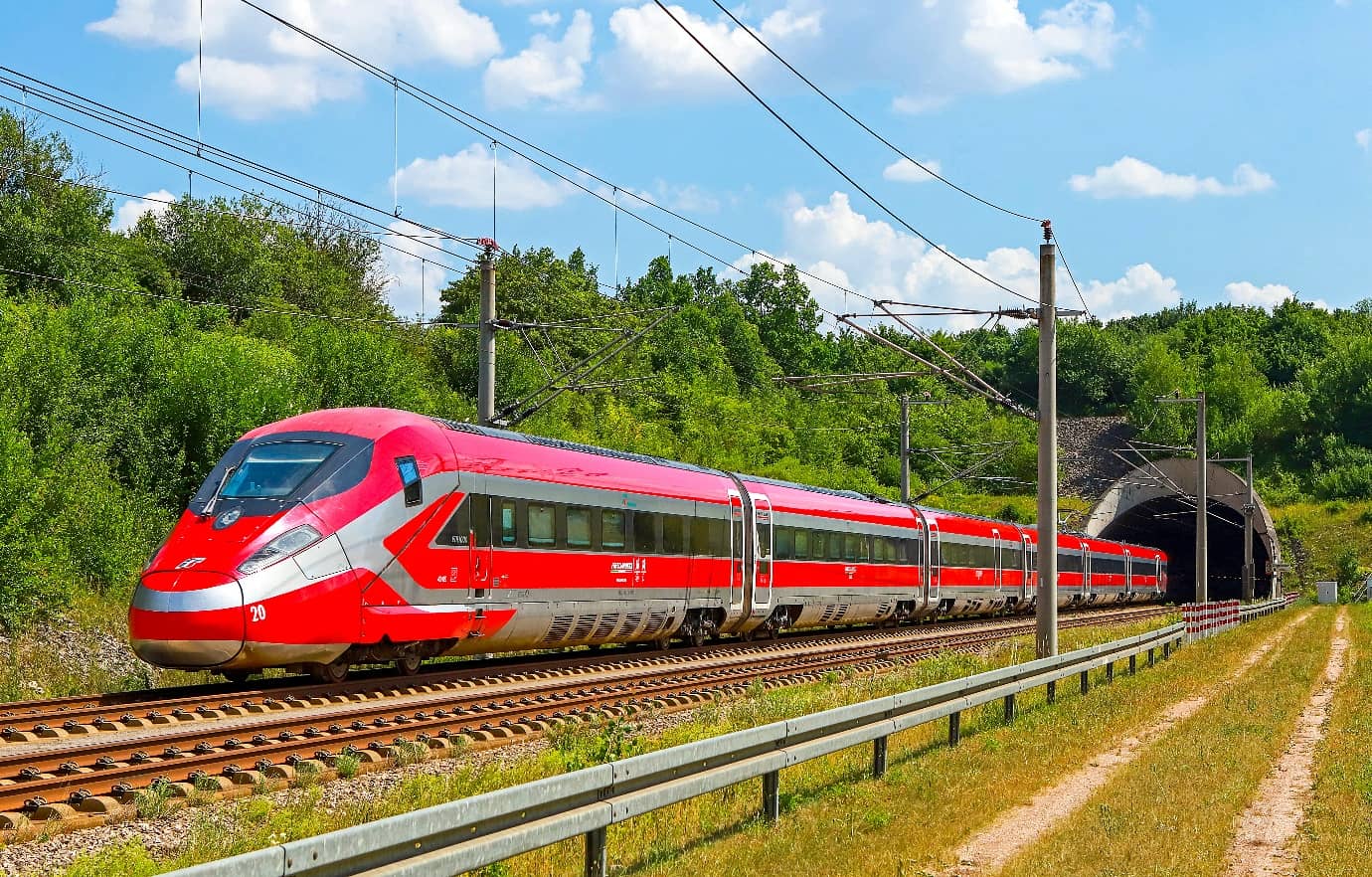
From summer 2027, travellers are expected to be able to board one of Italy's sleek red Frecciarossa trains in Munich and travel directly to Milan or Rome, crossing the Austrian Alps along the way without changing trains.
It's an exciting development for anyone who enjoys travelling independently through Europe. Munich to Milan is expected to take approximately six and a half hours, while the journey to Rome will take around eight and a half hours.
But this is about more than getting from one city to another.
The new routes pass through some of Europe's most beautiful landscapes and culturally fascinating destinations: Innsbruck, the South Tyrolean mountains, Bolzano, Trento and Verona, before continuing towards either Milan or Rome.
For travellers planning a longer holiday, they offer an appealing opportunity to combine German cities, Austrian mountain scenery and Italian culture in a single car-free itinerary.
And perhaps most importantly, they represent a significant step towards making seamless international rail travel a practical alternative to flying.
Why the New Frecciarossa Services Are Such a Big Deal
Europe has an excellent network of national high-speed railways, but travelling between countries can still involve changes of train, different booking systems and complicated connections.
The new Munich–Milan and Munich–Rome services aim to make that experience much simpler.
They are being introduced through a partnership between three major European railway operators: Italy's Trenitalia, Germany's Deutsche Bahn and Austrian Federal Railways, ÖBB.
For travellers following the project on social media, the operators can be found at @frecciarossaofficial, @deutschebahn and @unsereoebb.
The project is also supported by the European Commission as part of its programme to encourage new cross-border rail connections.
This is particularly significant because the Frecciarossa is not simply another international train.
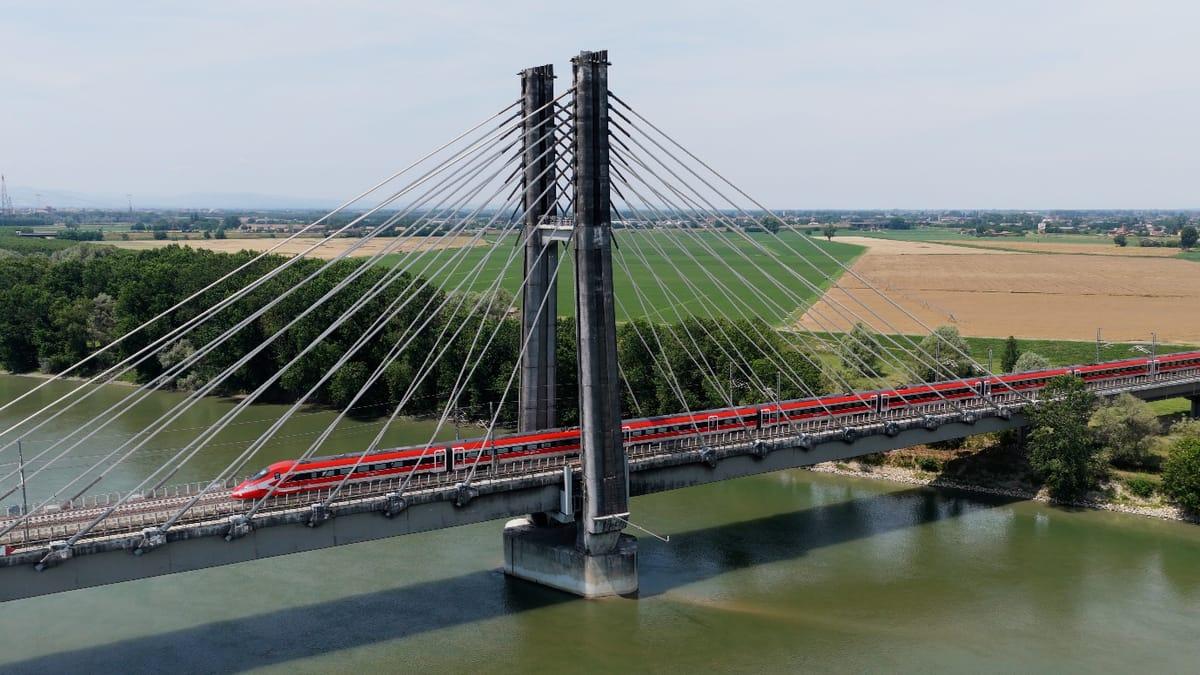
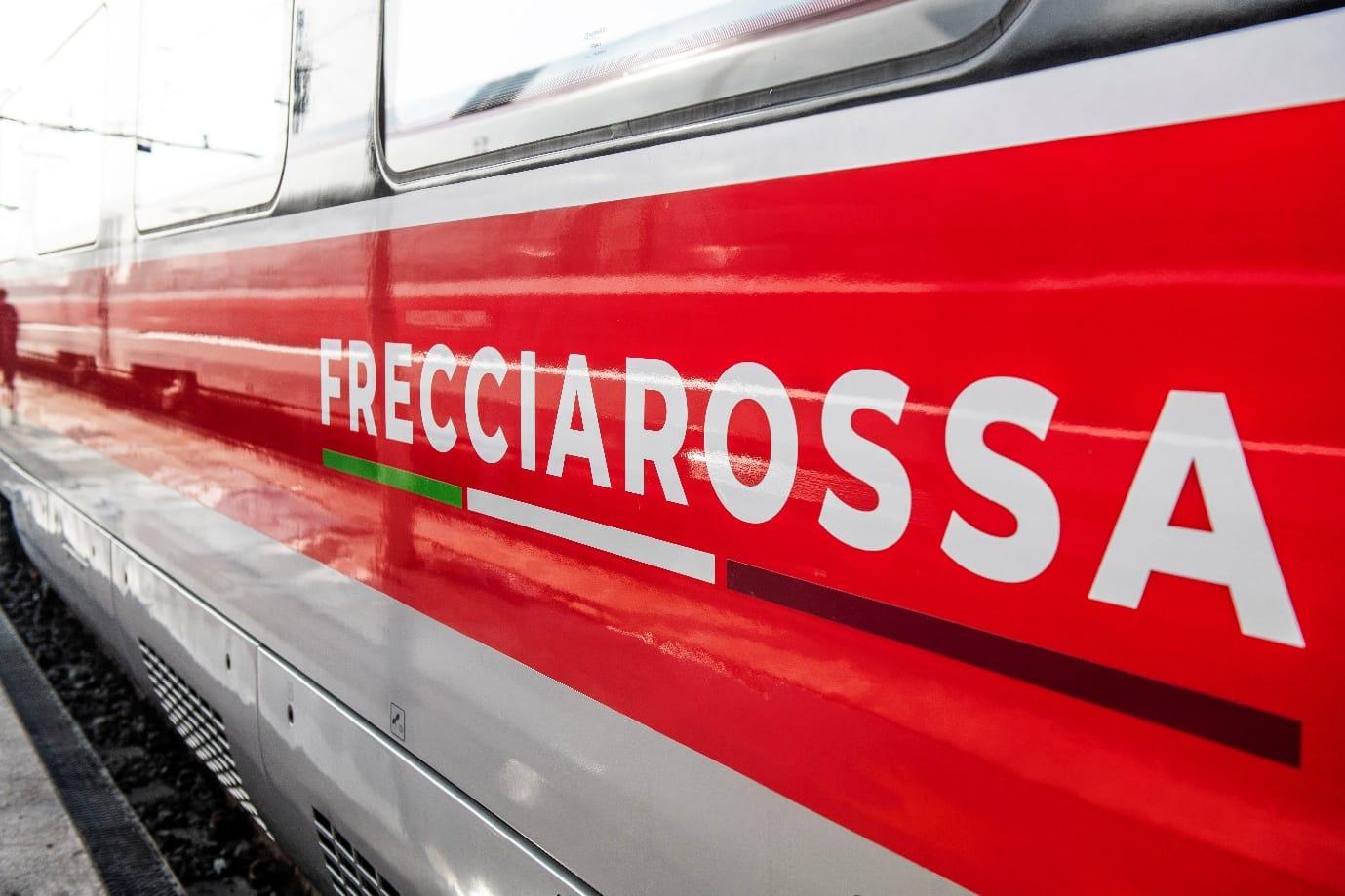
It is Trenitalia's flagship high-speed service, already familiar to travellers in Italy for its comfortable seating, modern interiors, onboard catering and fast connections between major cities.
Bringing these trains into Germany and Austria involves adapting them to operate across different national railway systems, including their signalling and electrical infrastructure.
Nine Frecciarossa trains are being prepared for the new services, with testing underway in Germany and Austria during 2026.
If the approval process is completed successfully, the first direct services are planned to begin in summer 2027.
Initially, the operators intend to introduce one daily return service between Munich and Milan and another between Munich and Rome.
By December 2028, the partners aim to expand the network further, potentially connecting Berlin with northern Italy and extending services south towards Naples.
For European rail travellers, this is an important development: a move towards a network where high-quality international journeys become as straightforward to book and use as domestic services.
Two New Routes Across the Alps
Although both services begin in Munich and travel through Austria, they follow different routes after Verona.
The Milan service continues west through Brescia towards Lombardy, while the Rome service heads south through Bologna and Florence.
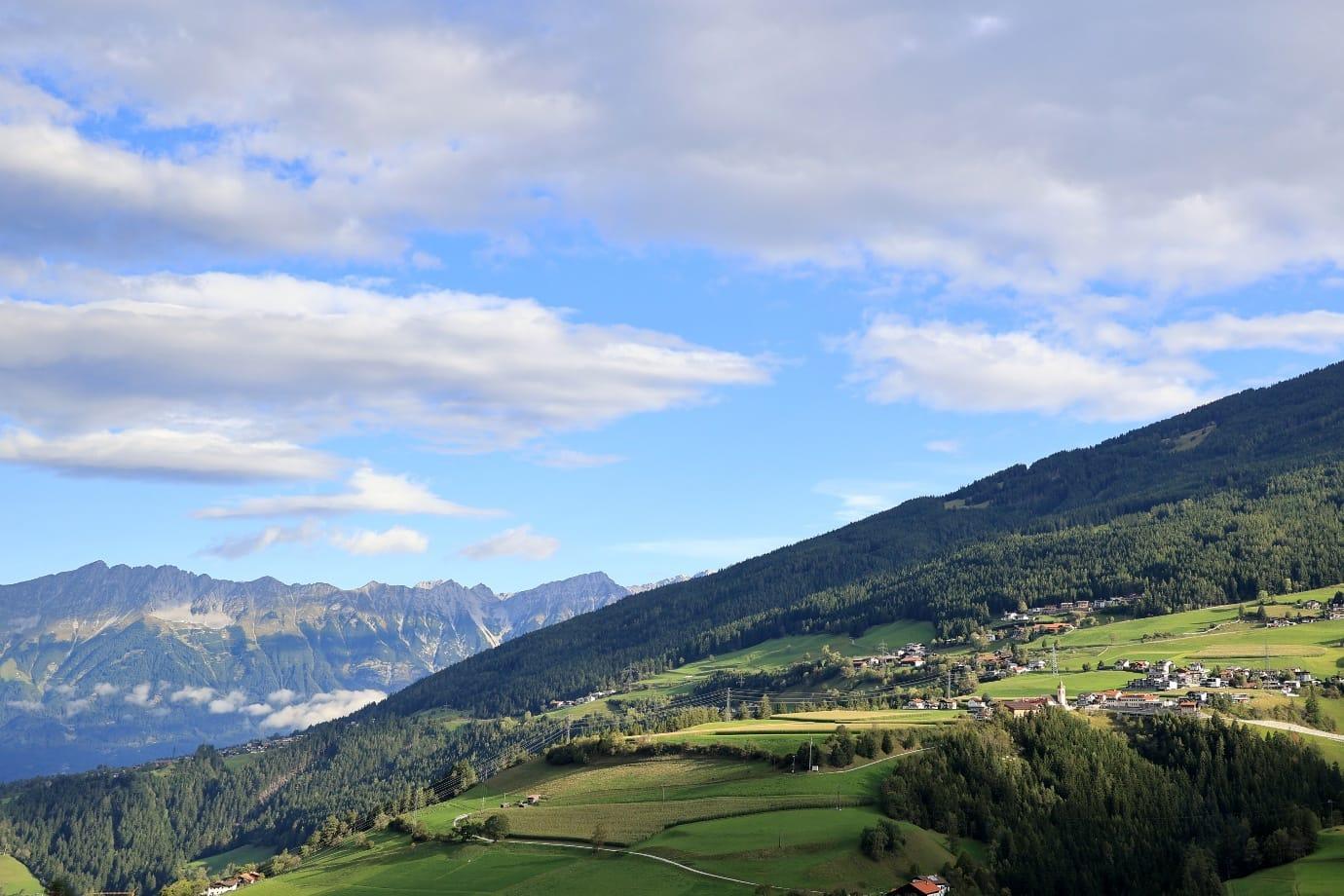
Both use the spectacular Brenner corridor, one of Europe's historic north–south transport routes.
Munich to Milan: The Italian Lakes and Lombardy
The planned Munich–Milan service will take approximately six hours and thirty minutes.
Its principal intermediate stops are expected to include Innsbruck, Bolzano, Trento, Rovereto, Verona and Brescia.
This makes it an especially attractive route for travellers interested in combining the Austrian Alps, South Tyrol, Verona and Milan.
From Milan, it's easy to continue by regional train to Lake Como, Lake Maggiore or Bergamo, or by high-speed rail to other Italian destinations.
Munich to Rome: From the Alps to the Eternal City
The longer Munich–Rome service follows the same route through Innsbruck, Bolzano, Trento, Rovereto and Verona before continuing south through Bologna and Florence.
The journey is expected to take approximately eight hours and thirty minutes.
It's a particularly appealing option for travellers who want to explore several of Italy's great cultural cities without flying or hiring a car.
You could spend a few nights in Munich, stop in Verona or Florence, and finish your journey in Rome.
Alternatively, travel the entire route in one day, watching the landscape change from Alpine mountains to the historic cities and countryside of central Italy.
The Latest Timetable: What Has Been Announced?
Deutsche Bahn has already published proposed departure and arrival times for the new services, although final schedules remain subject to approval.
The Munich–Rome Frecciarossa is expected to leave Munich at 2.32pm, arriving in Verona at 7.43pm, Bologna at 8.44pm, Florence at 9.24pm and Rome at 11.10pm.
The Munich–Milan service is planned to depart at 4.32pm, reaching Verona at 9.43pm and Milan at 11.05pm.
Both services are expected to operate daily, with return trains leaving Italy in the morning.
These are encouraging journey times, but the late arrivals are worth considering when planning your holiday.
If you're travelling all the way to Milan or Rome, book a hotel for your arrival night and plan your sightseeing for the following morning.
The services are not yet available to book, and exact launch dates, fares and final stopping patterns have not been confirmed.
The best places to monitor for announcements are Trenitalia, Deutsche Bahn and ÖBB.
The Scenic Highlight: Crossing the Brenner Pass
One of the most appealing aspects of these new services is the journey through the Alps.
Leaving Munich, the train heads south towards the Austrian border and Innsbruck, surrounded by the dramatic mountains of the Inn Valley.
Innsbruck itself is a beautiful city, with a historic centre framed by Alpine peaks and an excellent network of mountain railways and cable cars.
Beyond Innsbruck, the railway climbs towards the Brenner Pass, a historic route connecting northern and southern Europe for centuries.
The scenery changes as the train crosses into Italy and begins descending through South Tyrol.
This is a fascinating part of Italy, where German and Italian cultures meet. Road signs are bilingual, Alpine architecture sits alongside Italian piazzas, and the food reflects both traditions.
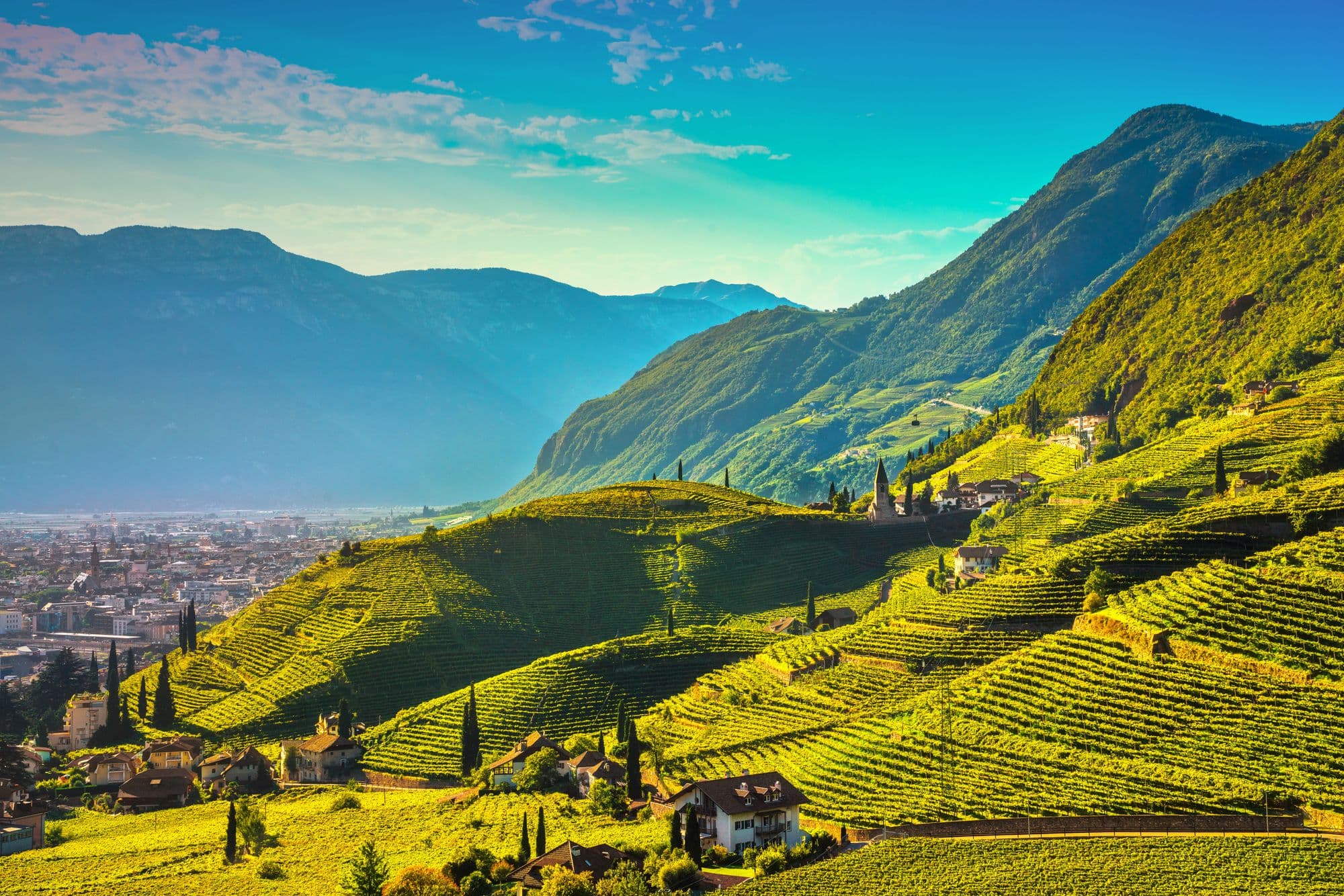
The route continues through Bolzano and Trento, with vineyards, orchards, mountain villages and the dramatic peaks of the surrounding Alps providing a constantly changing backdrop.
Unlike a journey spent almost entirely in a high-speed tunnel, this section offers a real sense of travelling across the landscape.
The Brenner Base Tunnel, currently under construction, is expected eventually to shorten journeys between Austria and Italy. But for now, the existing mountain railway remains one of the pleasures of the route.
For the best chance of enjoying the scenery, choose a journey during daylight hours and travel in spring, summer or early autumn.
On the proposed southbound timetable, the Munich–Rome service offers an earlier departure and therefore more daylight through the Alpine section than the later Munich–Milan service.
What Are Frecciarossa Trains Like?
For anyone who has travelled on Italy's high-speed rail network, the Frecciarossa will already be familiar.
The new international services will use the Frecciarossa 1000, also known as the ETR 1000.
These sleek, modern trains are designed for high-speed travel and offer a considerably more comfortable experience than many conventional long-distance trains.
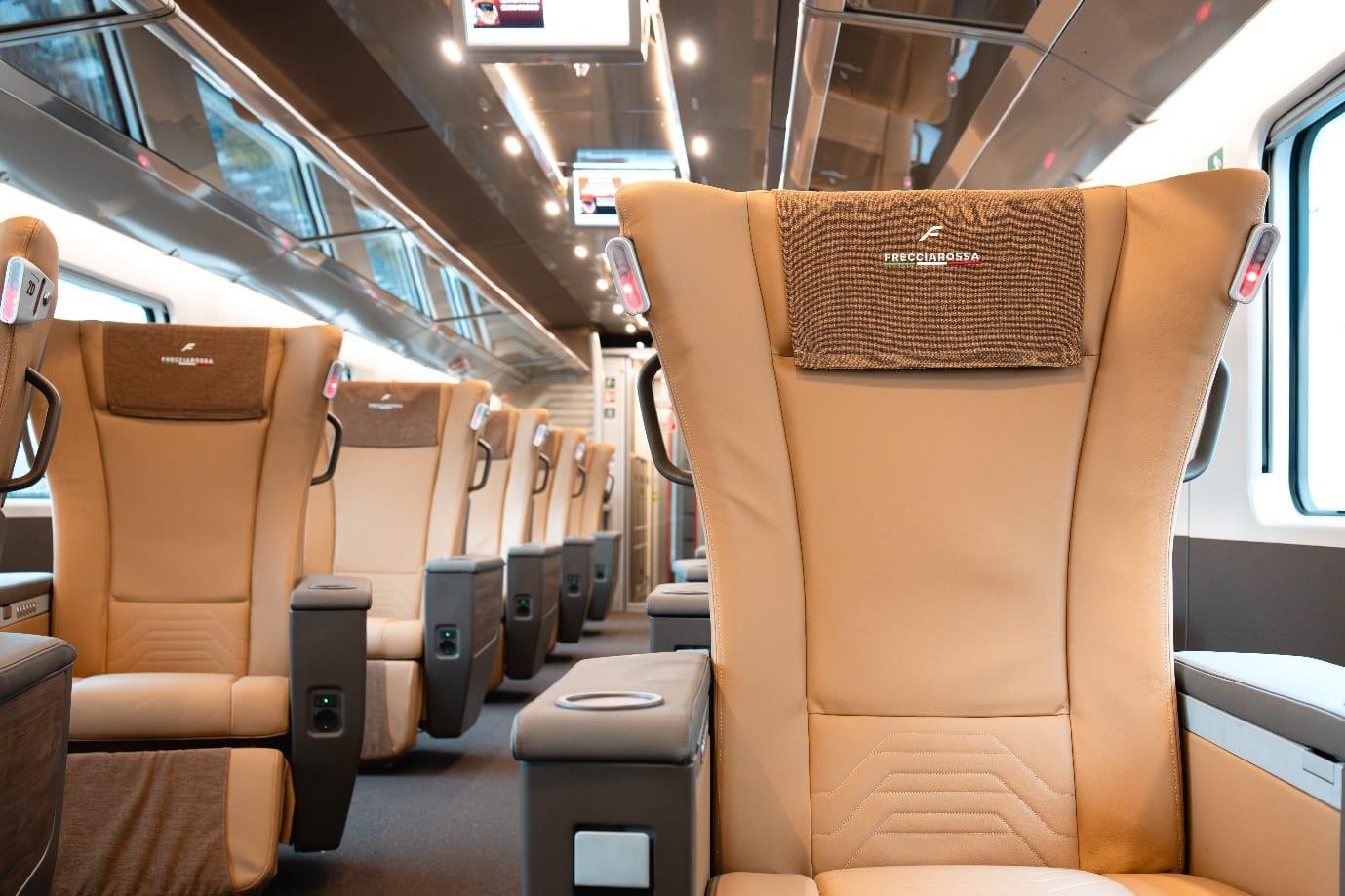
The international trains will have eight carriages and approximately 462 seats, with several levels of accommodation.
Standard and Premium
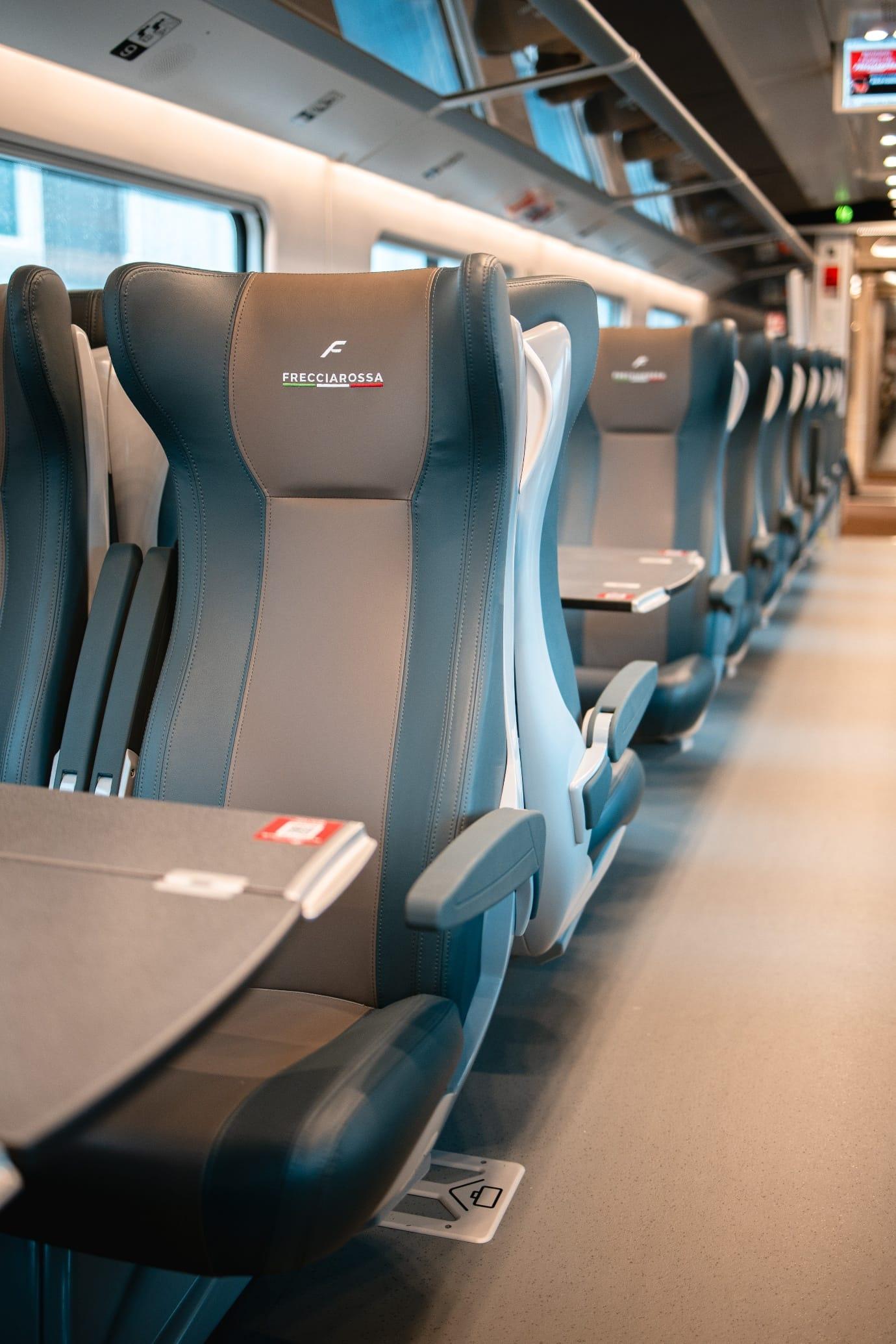
Standard and Premium seating uses a two-by-two arrangement, with comfortable reclining seats, power sockets and access to onboard Wi-Fi.
Premium offers an upgraded seating experience, making it an appealing choice for travellers wanting a little more comfort without paying for Business Class.
Business Class
Business Class has a more spacious two-by-one seating arrangement, providing additional personal space and fewer passengers per row.
A complimentary welcome service is planned for Business Class passengers.
For a journey of six to nine hours, this could be a worthwhile upgrade, particularly if you want to work, read or simply relax while enjoying the scenery.
Executive Class
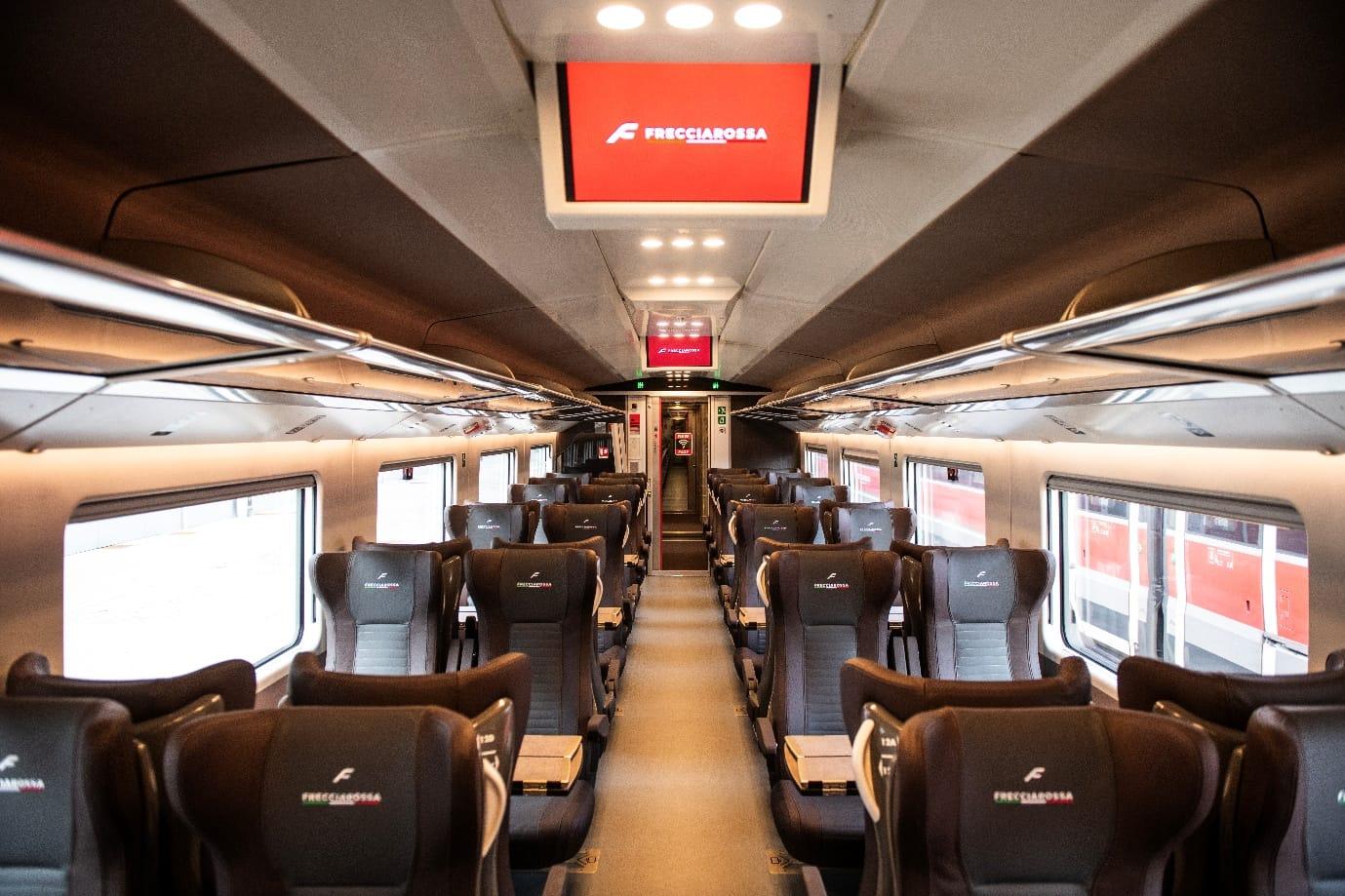
Executive is the most luxurious option, with exceptionally spacious seating arranged one seat on either side of the aisle.
Catering is included in the fare, creating a more premium experience.
It isn't a luxury train in the style of the Orient Express, but it offers an excellent level of comfort for a long daytime journey.
Food and Facilities
The international Frecciarossa trains will have an onboard bistro, Wi-Fi and an entertainment system.
Unlike a sleeper train, there's no need to organise an overnight bag or prepare for a night in a compartment.
You can enjoy the scenery, have something to eat, read or work, and arrive at your destination the same day.
For independent travellers who prefer a comfortable journey without the expense of a luxury rail holiday, it's a very appealing proposition.
Can You Break the Journey and Explore Along the Way?
Absolutely — and for many travellers, this will be the most interesting way to use the new services.
However, there's an important distinction between travelling on a direct train and buying a ticket that allows you to stop wherever you like.
A standard Munich–Rome or Munich–Milan ticket should not be assumed to permit a two-night stopover followed by boarding another train.
If you want to spend time in intermediate cities, the safest approach is to plan separate tickets for each stage.
For example, you could travel from Munich to Verona, stay for two nights, then book another train to Florence and a final journey to Rome.
Or take the Milan route, stopping in Bolzano and Verona before continuing to Milan.
This gives you complete freedom to decide how long to spend in each destination.
You won't necessarily need to use the new Frecciarossa service for every leg. Existing Italian high-speed and regional trains provide frequent connections between many of these cities.
One important point remains unconfirmed: the operators have not yet published the detailed ticket conditions, intermediate fares or rail-pass reservation rules for the new international services.
Until those details are available, plan a multi-city holiday using separately priced journeys rather than assuming a single through ticket permits stopovers.
Start in Munich: Bavarian Culture Before the Alps
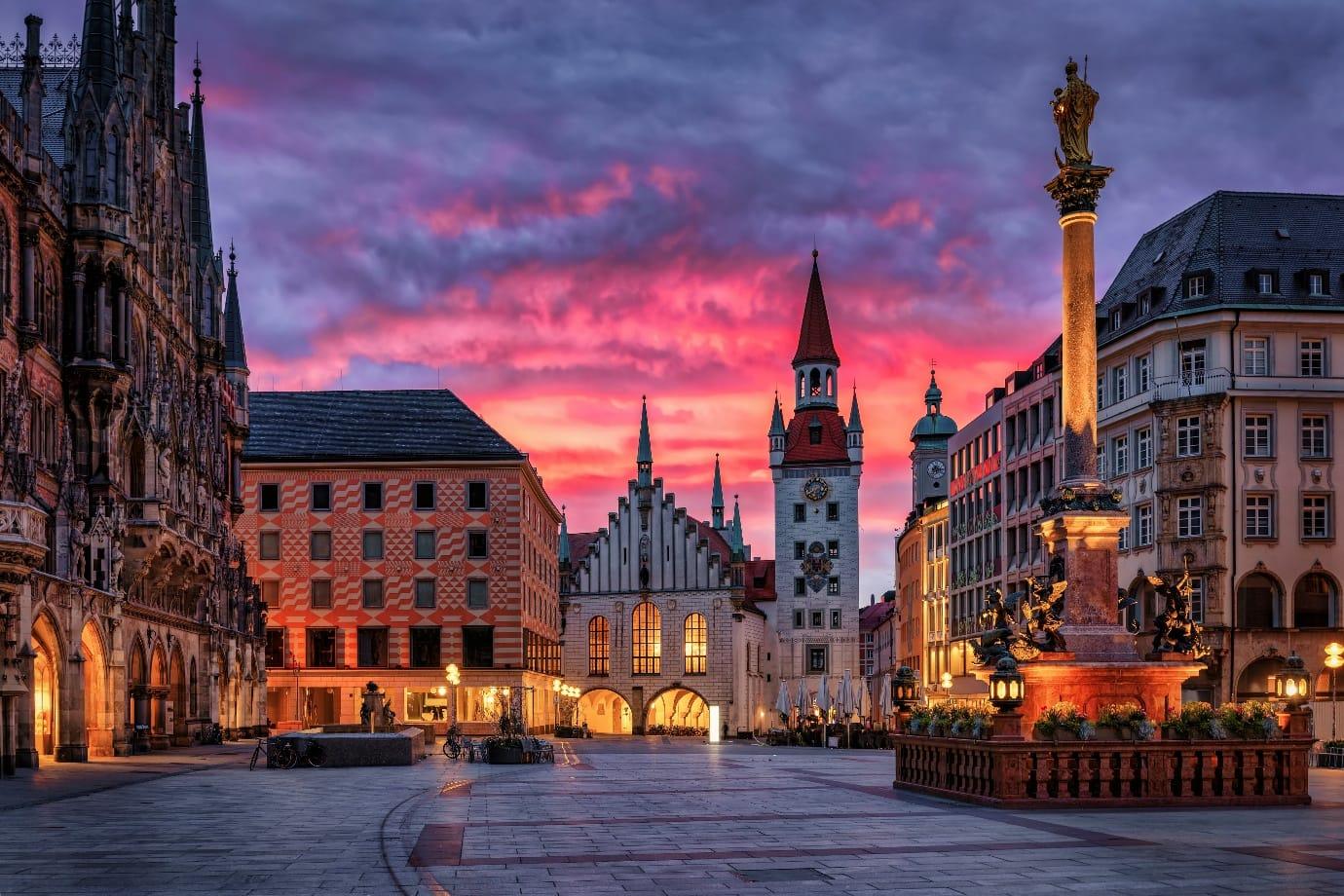
Munich deserves at least two nights before you begin your journey south.
The Bavarian capital combines impressive architecture, world-class museums, traditional beer gardens and an excellent food scene.
Start at Marienplatz, the historic heart of the city, where the magnificent Neues Rathaus dominates the square.
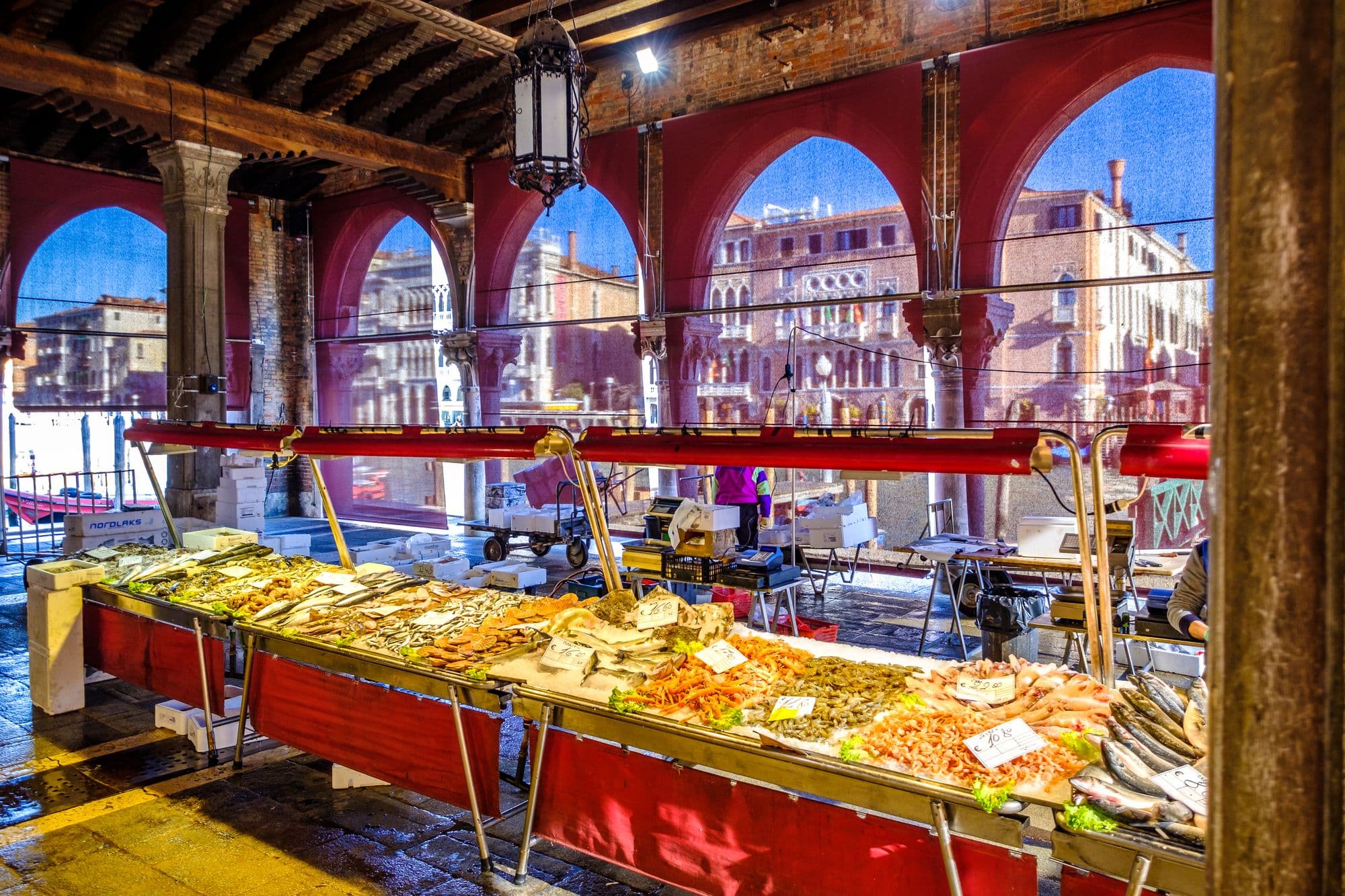
Nearby, the Viktualienmarkt is a wonderful place to browse food stalls selling regional cheeses, sausages, breads and fresh produce.
For art lovers, Munich's Pinakothek museums contain outstanding European collections, while the Residenz offers an insight into the city's royal history.
If the weather is good, spend an afternoon walking through the Englischer Garten, one of Europe's largest urban parks.
Munich is also an excellent city for discovering Bavarian food, from traditional roast pork and dumplings to more contemporary interpretations of regional cuisine.
Where to Stay in Munich
Sofitel Munich Bayerpost is a particularly good choice for travellers continuing by train.
Located immediately beside Munich Hauptbahnhof, the five-star hotel occupies a beautifully restored former post office.
Its elegant contemporary interiors, spa and excellent location make it an appealing base for a short city break.
It's also exceptionally convenient if you're travelling with luggage and want to board your train without crossing the city.
@sofitelmunichbayerpost
Where to Eat in Munich
Dallmayr Bar & Grill, part of Munich's celebrated Dallmayr delicatessen, offers an elegant but lively setting for seafood, grilled dishes and carefully chosen wines.
It's a good choice for a sophisticated lunch while exploring the historic centre, and the adjoining delicatessen is worth visiting in its own right for its extraordinary selection of gourmet produce.
@dallmayrseit1700
Innsbruck: An Alpine Stop Worth Considering
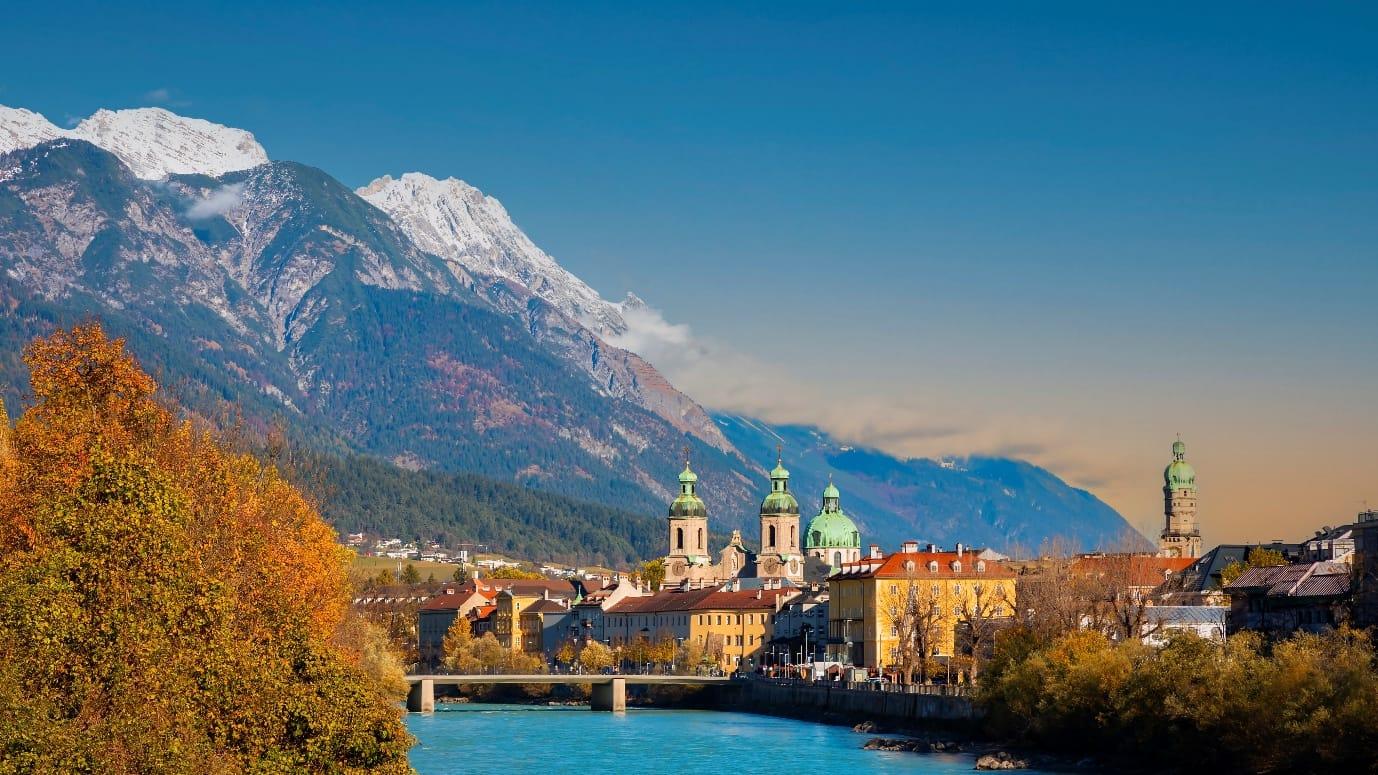
Although Munich and Italy are the main destinations, Innsbruck is one of the most attractive places to break the journey.
The Austrian city sits in a dramatic mountain setting, with its colourful historic buildings framed by the peaks of the Nordkette range.
The old town is compact and easy to explore on foot, with the famous Golden Roof, medieval streets and elegant cafés all within a short distance of the station.
One of Innsbruck's great attractions is how quickly you can reach the mountains.
The Nordkette cable railway system carries visitors from the city towards spectacular Alpine viewpoints, making it possible to combine sightseeing and mountain scenery in a single day.
For travellers who enjoy hiking, Innsbruck is worth at least two nights.
It also makes an excellent introduction to the Alpine landscapes that dominate the next part of the journey.
Bolzano: Where Austria Meets Italy
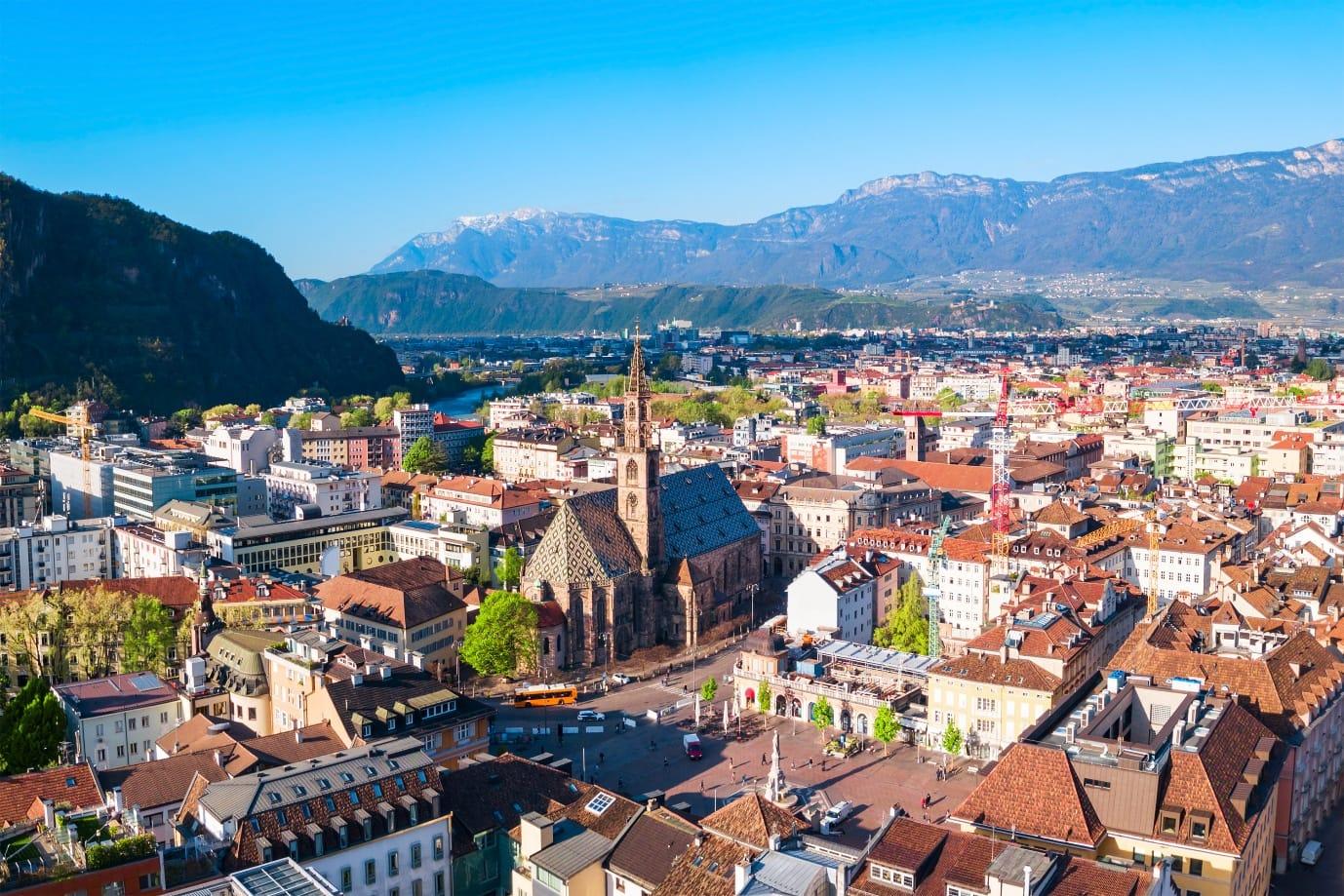
Crossing into Italy, Bolzano is another wonderful stop for independent travellers.
Known as Bozen in German, the city is the capital of South Tyrol, a region where Italian and Austrian influences are woven together.
Its historic centre has colourful buildings, arcaded streets, elegant squares and lively cafés.
Piazza Walther is the natural starting point, surrounded by shops and restaurants with views towards the surrounding mountains.
Bolzano is also home to the South Tyrol Museum of Archaeology, where visitors can see Ötzi, the remarkably preserved prehistoric man discovered in the Alps.
For food lovers, the city offers an interesting combination of Italian and Alpine traditions.
Expect fresh pasta alongside dumplings, speck, mountain cheeses and excellent local wines.
Bolzano is also a gateway to the Dolomites, although exploring the mountains requires additional bus or regional rail connections.
For a longer itinerary, it's an excellent place to spend two or three nights.
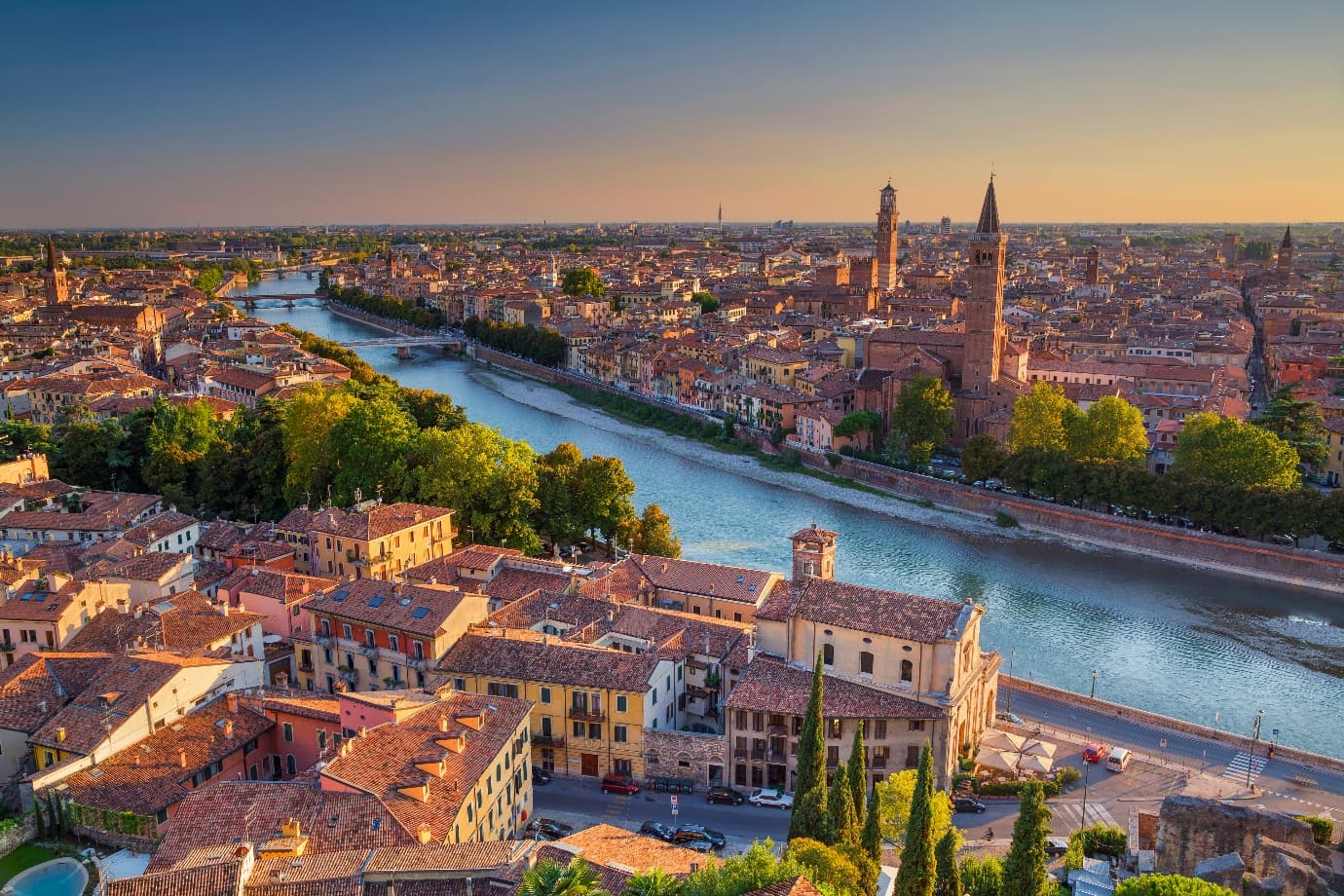
Verona: The Perfect Italian Stopover
Further south, Verona is one of the most appealing cities along both new Frecciarossa routes.
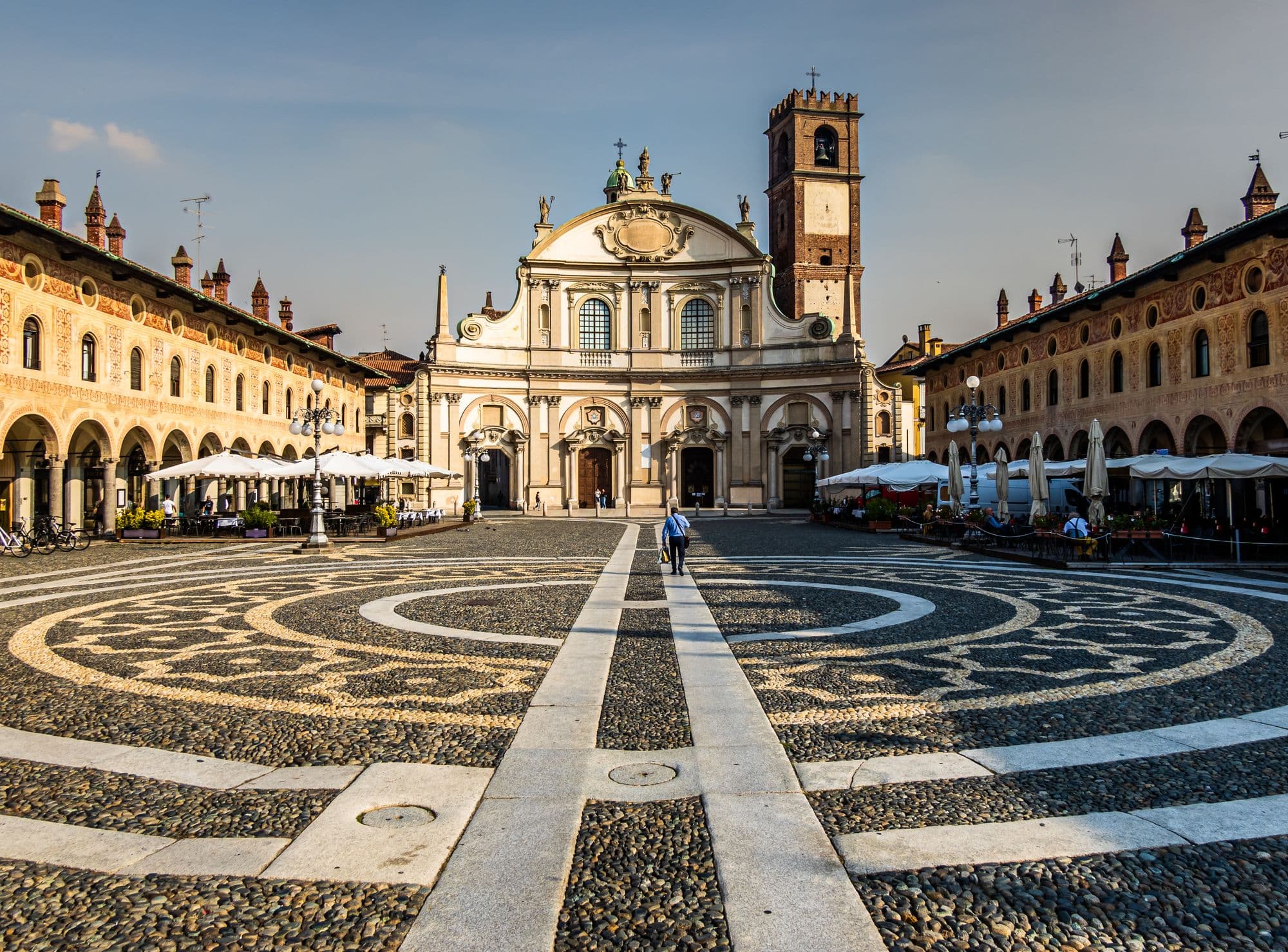
Famous for its Roman amphitheatre and associations with Shakespeare's Romeo and Juliet, the city has much more to offer than its best-known attractions.
The historic centre is filled with beautiful squares, medieval buildings, elegant shops and atmospheric restaurants.
Piazza delle Erbe, once the site of the Roman forum, remains one of Verona's liveliest gathering places.
Nearby, the imposing Castelvecchio and its museum offer a fascinating introduction to the city's medieval history.
For beautiful views, cross the River Adige towards the hillside around Castel San Pietro, particularly in the late afternoon.
Verona also has an excellent food and wine scene, with regional specialities including risotto all'Amarone and wines from nearby Valpolicella.
It's a city that rewards a slower visit.
Spend two nights here and you'll have time to enjoy the historic centre, discover local restaurants and perhaps explore the surrounding wine country.
From Verona, the two new Frecciarossa routes separate.
One continues west towards Brescia and Milan; the other heads south through Bologna and Florence to Rome.
Option One: Continue to Milan
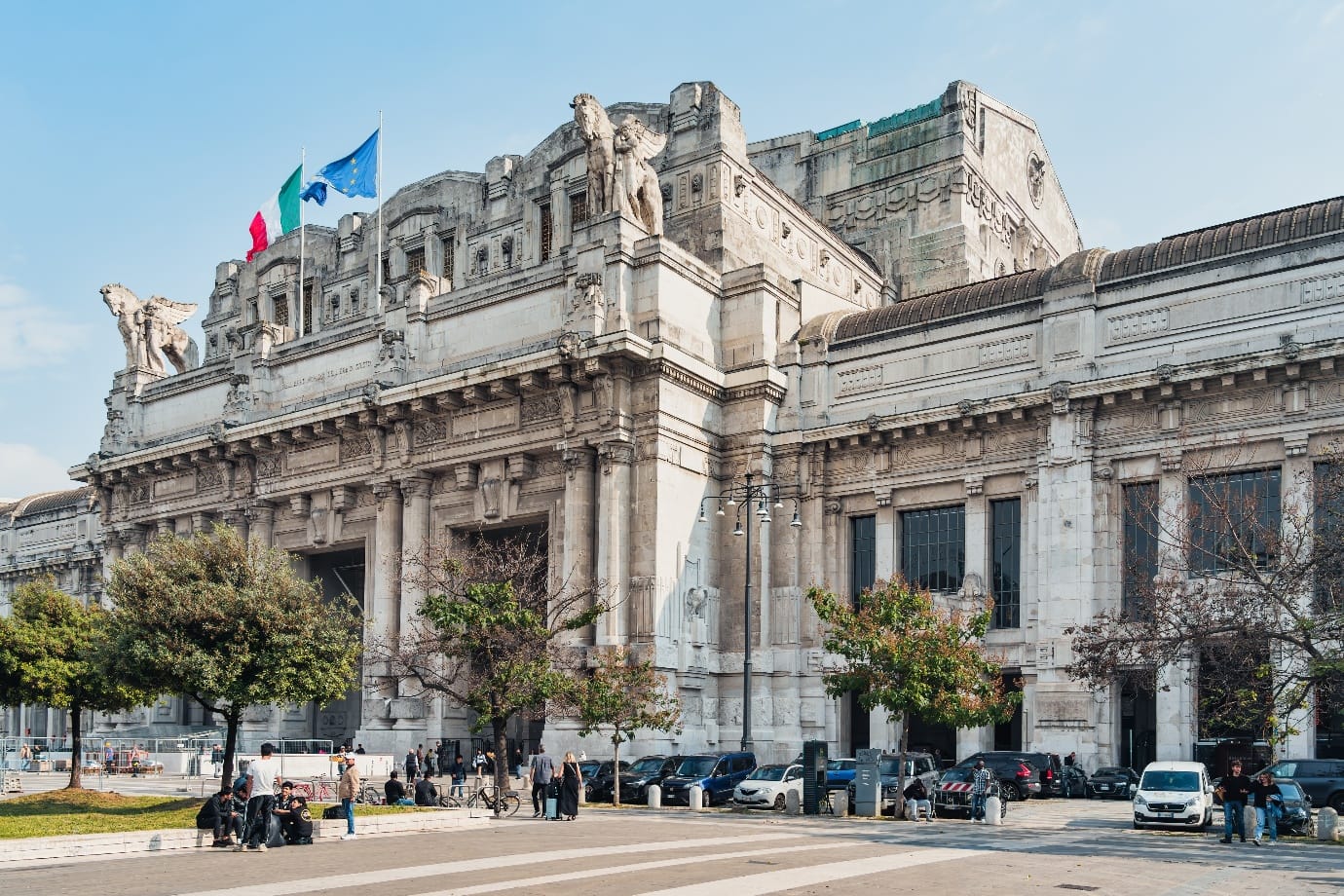
The new direct Munich–Milan service is particularly appealing for travellers interested in northern Italy.
Milan is often treated simply as an arrival point, but it deserves time in its own right.
Beyond the famous Duomo and Galleria Vittorio Emanuele II, the city has outstanding museums, beautiful historic neighbourhoods and one of Italy's most interesting contemporary design scenes.
Explore Brera, with its galleries, boutiques and cafés, or wander through the Navigli district, where canals are lined with restaurants and bars.
The city is also a wonderful destination for food lovers, with everything from traditional Milanese risotto and cotoletta to innovative contemporary Italian cuisine.
Where to Stay in Milan
Mandarin Oriental, Milan, in the fashionable Brera district, is an elegant five-star hotel occupying four interconnected eighteenth-century buildings.
Its sophisticated contemporary interiors, beautiful spa and excellent location make it an appealing base for exploring Milan's galleries, boutiques and historic centre.
It's also home to one of the city's most celebrated restaurants, making it particularly convenient for a special evening after your Alpine rail journey.
@mo_milan
Where to Eat in Milan
Røst is one of Milan's most interesting contemporary bistros, combining a relaxed, stylish atmosphere with inventive seasonal Italian cooking.
The menu changes regularly, with beautifully prepared homemade pasta, locally sourced ingredients and a thoughtful selection of natural wines. It's the kind of place where you can enjoy genuinely creative food without the formality or expense of fine dining.
Expect to pay around €30–40 per person before drinks. Booking ahead is recommended, particularly at weekends.
@rostmilano_
Continue to the Italian Lakes
Milan is also an ideal starting point for exploring northern Italy without a car.
Frequent trains connect the city with Como, Lecco and other destinations around the Italian lakes.
You could spend several nights beside Lake Como, exploring Bellagio and Varenna by ferry, before continuing to Venice, Florence or elsewhere in Italy.
For travellers who enjoy combining cities and beautiful scenery, this is one of the strongest reasons to choose the Milan route.
Option Two: Continue to Florence and Rome
The Munich–Rome service opens up an equally appealing itinerary, connecting Bavaria and the Alps with some of Italy's greatest cultural destinations.
After Verona, the train continues through Bologna and Florence before reaching Rome.
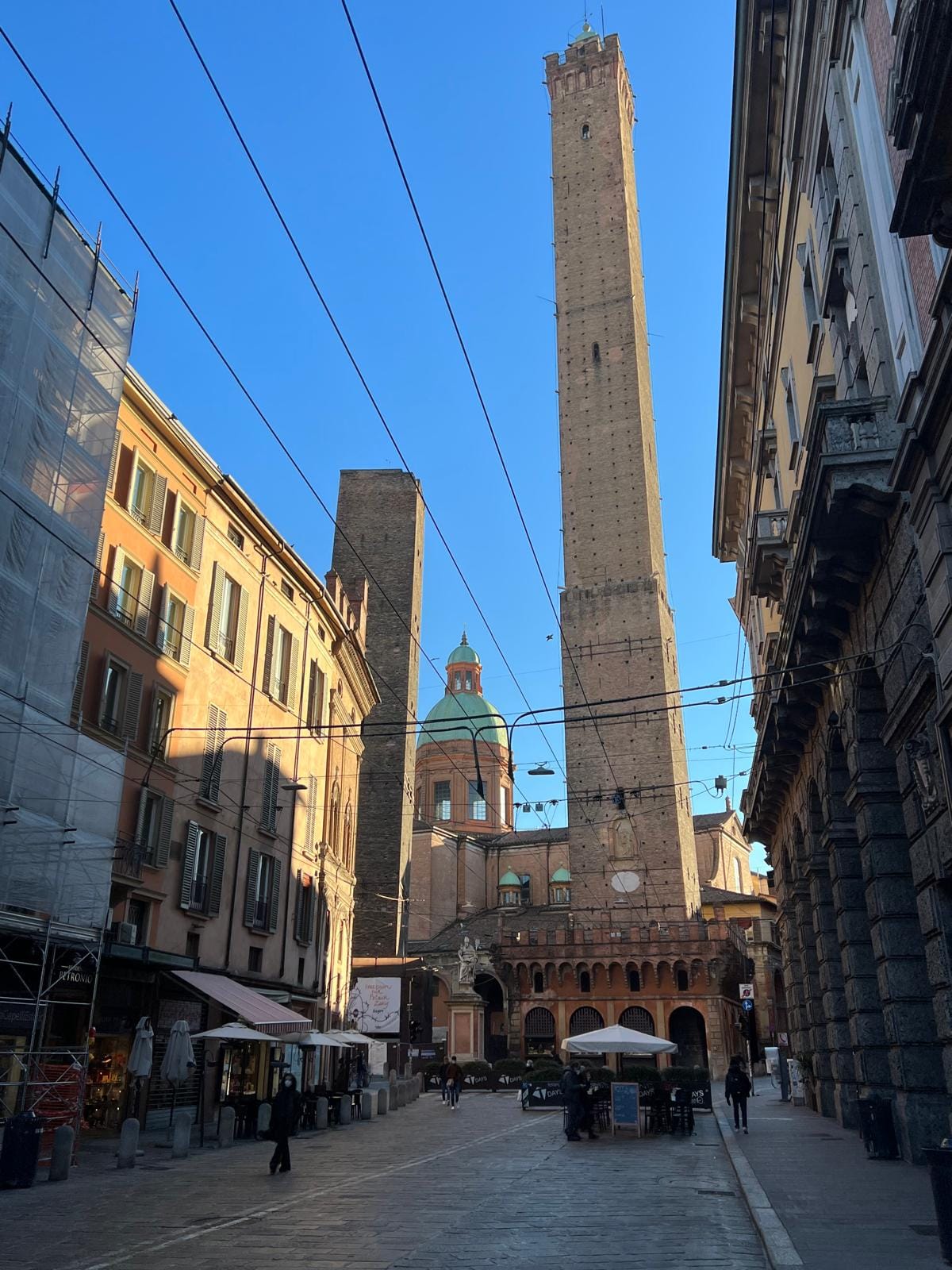
Bologna: Italy's Great Food City
Bologna is a wonderful place to stop for anyone interested in Italian food and culture.
Its historic centre is famous for its long arcaded streets, medieval towers and lively university atmosphere.
The Quadrilatero district is particularly rewarding for food lovers, with traditional shops selling fresh pasta, cheeses, cured meats and regional specialities.
Try tagliatelle al ragù, tortellini in brodo or mortadella, all closely associated with the city and surrounding Emilia-Romagna region.
Bologna is also one of Italy's most important railway hubs, making it easy to continue to other destinations.
Florence: Renaissance Art and Tuscan Culture
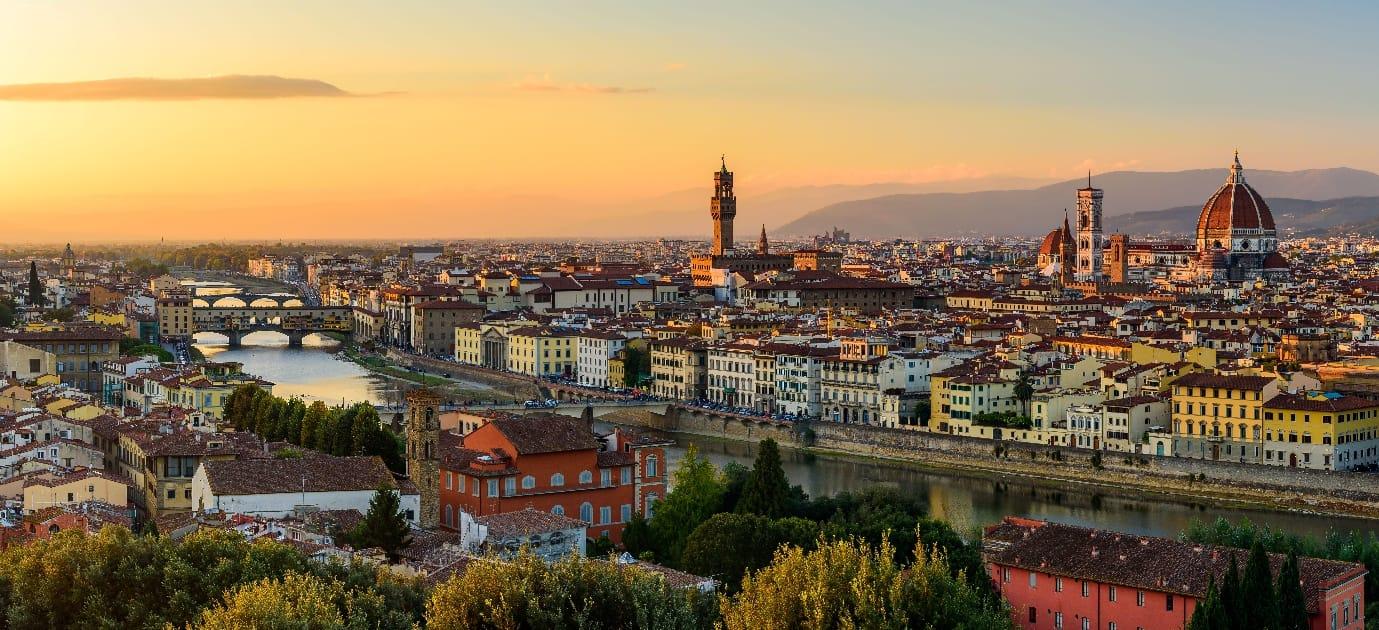
Florence hardly needs an introduction, but arriving by train makes exploring the city particularly straightforward.
Firenze Santa Maria Novella station is within walking distance of the historic centre.
Spend time discovering the city's Renaissance art, architecture and lesser-known neighbourhoods, from the magnificent Duomo and Uffizi Gallery to the quieter streets of Oltrarno.
Florence also makes an excellent base for exploring Tuscany by regional train, with easy connections to cities such as Lucca, Pisa, Arezzo and Pistoia.
For travellers interested in art, food and culture, it's worth allowing at least three nights.
Arriving in Rome: The Eternal City by Rail
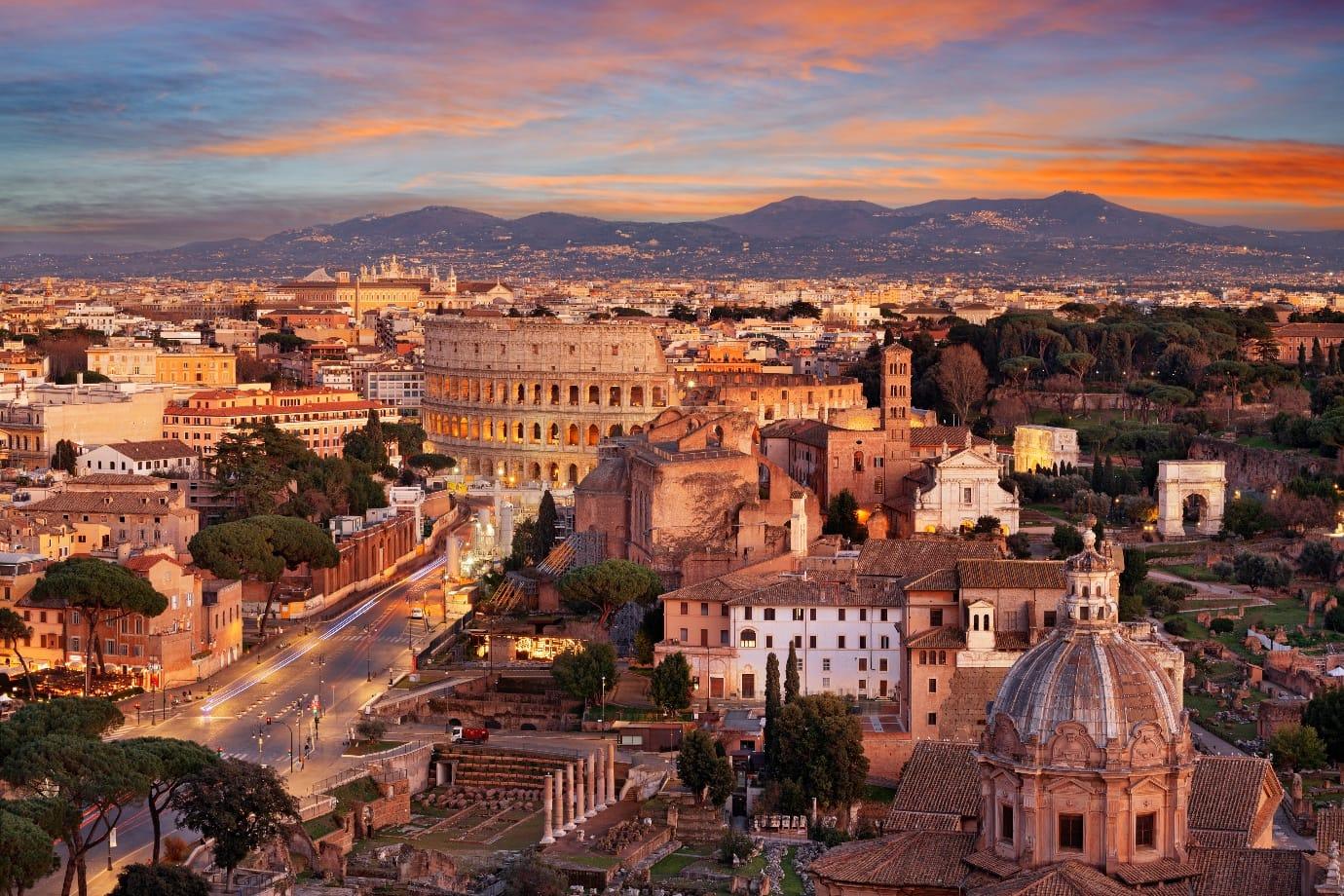
The final destination of the longer Frecciarossa route is Rome.
Arriving by train is an excellent way to begin a visit to the Italian capital, avoiding airport transfers and arriving directly into the city's extensive public transport network.
Rome is a city that rewards time and curiosity.
Of course, the Colosseum, Roman Forum, Pantheon and Vatican Museums are extraordinary sights, but some of the greatest pleasures come from wandering through its neighbourhoods.
Explore the narrow streets around Campo de' Fiori, the elegant squares of the historic centre and the lively restaurants of Trastevere.
For a different perspective, visit the Aventine Hill, discover the ancient Appian Way or spend an afternoon exploring the galleries and gardens of Villa Borghese.
And make plenty of time for food.
Roman cooking is wonderfully distinctive, with dishes such as carbonara, amatriciana, cacio e pepe and supplì among the local favourites.
Where to Stay in Rome
Six Senses Rome, housed in a beautifully restored historic palazzo close to Via del Corso, offers an elegant contemporary take on Roman luxury.
The hotel combines historic architecture with understated modern interiors, a wellness-focused spa and a central location.
It's particularly appealing for travellers who want to explore much of Rome on foot while enjoying a peaceful retreat from the city's busy streets.
@sixsensesrome
Where to Eat in Rome
Roscioli Salumeria con Cucina, close to Campo de' Fiori, is one of Rome's most celebrated places for traditional Italian ingredients and carefully prepared Roman dishes.
Part delicatessen, part restaurant, it combines an extraordinary selection of cheeses, cured meats and wines with some of the city's best-known pasta specialities.
It's lively, atmospheric and very popular, so reservations are strongly recommended.
@roscioliroma
How to Plan a Multi-City Holiday Around the New Frecciarossa
The real appeal of the new services is not simply travelling directly from Munich to Milan or Rome.
It's the opportunity to create a flexible European holiday around the cities and landscapes along the way.
A Week from Munich to Milan
Begin with two nights in Munich, exploring the historic centre, museums and Bavarian food scene.
Continue south to Bolzano for two nights, enjoying the atmosphere of South Tyrol and perhaps making an excursion towards the Dolomites.
Spend another two nights in Verona before finishing in Milan.
If you have additional time, continue to Lake Como for a few days beside the water.
Ten Days from Munich to Rome
Start with two nights in Munich, then travel to Innsbruck for a couple of days exploring the city and mountains.
Continue to Verona for two nights before heading south to Florence.
Spend time discovering Renaissance Florence and finish in Rome, allowing at least three or four nights to explore the capital properly.
This itinerary combines three countries, Alpine scenery and some of Europe's greatest cultural destinations.
A Longer Alpine and Italian Rail Adventure
For travellers with more time, the new route creates opportunities to combine several regions without hiring a car.
You could begin in Munich, spend time hiking in the Austrian Alps, explore the Dolomites from South Tyrol and continue through Verona towards either Milan or Rome.
From Milan, head towards the Italian lakes or Venice.
From Rome, continue south towards Naples and the Amalfi Coast.
Italy's extensive high-speed and regional rail network makes it easy to build a longer journey around the new international connection.
How Much Will the New Frecciarossa Cost?
At the time of writing, Trenitalia, Deutsche Bahn and ÖBB have not yet announced fares for the new Munich–Milan and Munich–Rome services.
Tickets are not yet on sale, and the precise booking opening date has not been confirmed.
This means it's too early to say whether the new direct trains will be cheaper than existing rail connections or competing flights.
As with other high-speed services, prices are likely to vary according to travel date, demand, booking time and accommodation class, although the precise fare structure remains to be announced.
For travellers planning a multi-city holiday, it will be worth comparing the price of a direct international ticket with separate tickets for individual stages.
The important advantage is flexibility.
Rather than paying for flights, airport transfers or a hire car, you can build your journey around city-centre stations and use existing rail connections to explore the surrounding regions.
We'll update this guide when fares and booking details are officially published.
Practical Tips for Planning Your Journey
Check the launch date before booking accommodation. The service is planned for summer 2027, but the start depends on the successful approval of the adapted Frecciarossa trains.
Use the official booking websites. Monitor Trenitalia, Deutsche Bahn and ÖBB for ticket announcements and confirmed timetables.
Remember there are two separate routes. The Munich–Milan and Munich–Rome services follow the same Alpine corridor before taking different directions after Verona.
Plan your stopovers carefully. If you want to spend several nights in Innsbruck, Bolzano or Verona, arrange separate tickets for the individual stages rather than assuming a through ticket allows you to interrupt your journey.
Consider upgrading your seat. For a journey lasting six to nine hours, Business Class may offer a worthwhile balance between comfort and cost.
Travel during daylight for the best Alpine views. The proposed Munich–Rome departure is particularly appealing for seeing the Brenner route before evening.
Allow for late arrivals. The announced southbound services reach Milan and Rome around 11pm, so choose accommodation with convenient late check-in.
Use regional trains for onward travel. Many of the most interesting destinations, including the Italian lakes and smaller towns in Tuscany, can be reached without a car.
Keep an eye on rail-pass rules. Interrail and Eurail arrangements for the new international Frecciarossa services have not yet been confirmed.
When Is the Best Time to Travel?
Summer 2027 is the planned launch period, making it the obvious time to consider the new services.
The longer daylight hours should also offer excellent opportunities to enjoy the scenery through Austria and South Tyrol.
However, late spring and early autumn are generally wonderful seasons for travelling through this part of Europe, with pleasant temperatures for city sightseeing and walking.
The Alps are particularly beautiful in early autumn, when the forests begin changing colour and the vineyards of northern Italy are approaching harvest.
Winter would offer a very different experience, with snow-covered mountains and atmospheric Christmas markets in Munich and Innsbruck, although shorter days would limit the amount of scenery visible from the train.
Once the service is established, the route should appeal throughout the year.
Why This New Train Matters for the Future of European Travel
The introduction of direct Frecciarossa services between Germany and Italy is an encouraging sign of how European rail travel is changing.
For too long, international journeys have often been more complicated than they need to be.
Different operators, national borders and fragmented ticketing systems have made some cross-border routes less attractive than flying, even when the distances are perfectly manageable by train.
The collaboration between Trenitalia, Deutsche Bahn and ÖBB is an attempt to address some of those barriers.
It also demonstrates that high-speed trains can become part of a wider European network rather than remaining largely confined to individual countries.
For travellers, the benefits are tangible.
More direct services mean fewer connections, easier luggage handling and greater freedom to plan holidays around multiple destinations.
And the journey itself becomes part of the experience.
Instead of flying over the Alps, you can travel through them, watching the landscape change from Bavarian countryside to Austrian mountains, South Tyrolean valleys and the historic cities of Italy.
It's a very different way to experience Europe.
The new Munich–Milan and Munich–Rome Frecciarossa services may not be the fastest option for every traveller, but they offer something increasingly valuable: a comfortable, enjoyable and practical way to discover more of Europe without a car or an airport.
For independent travellers planning their next European adventure, they're certainly worth watching.
Explore More of Europe by Rail
From spectacular Alpine crossings to high-speed connections between historic cities, Europe's rail network offers endless possibilities for independent travel.
For more inspiration, practical booking advice, local discoveries and flexible itineraries, explore our collection of Touring by Train guidebooks covering Italy, Switzerland, France and Spain.
Discover all our travel guides: https://www.realtravelguides.com/books
Real Travel Guides — Real Travel. By Rail.