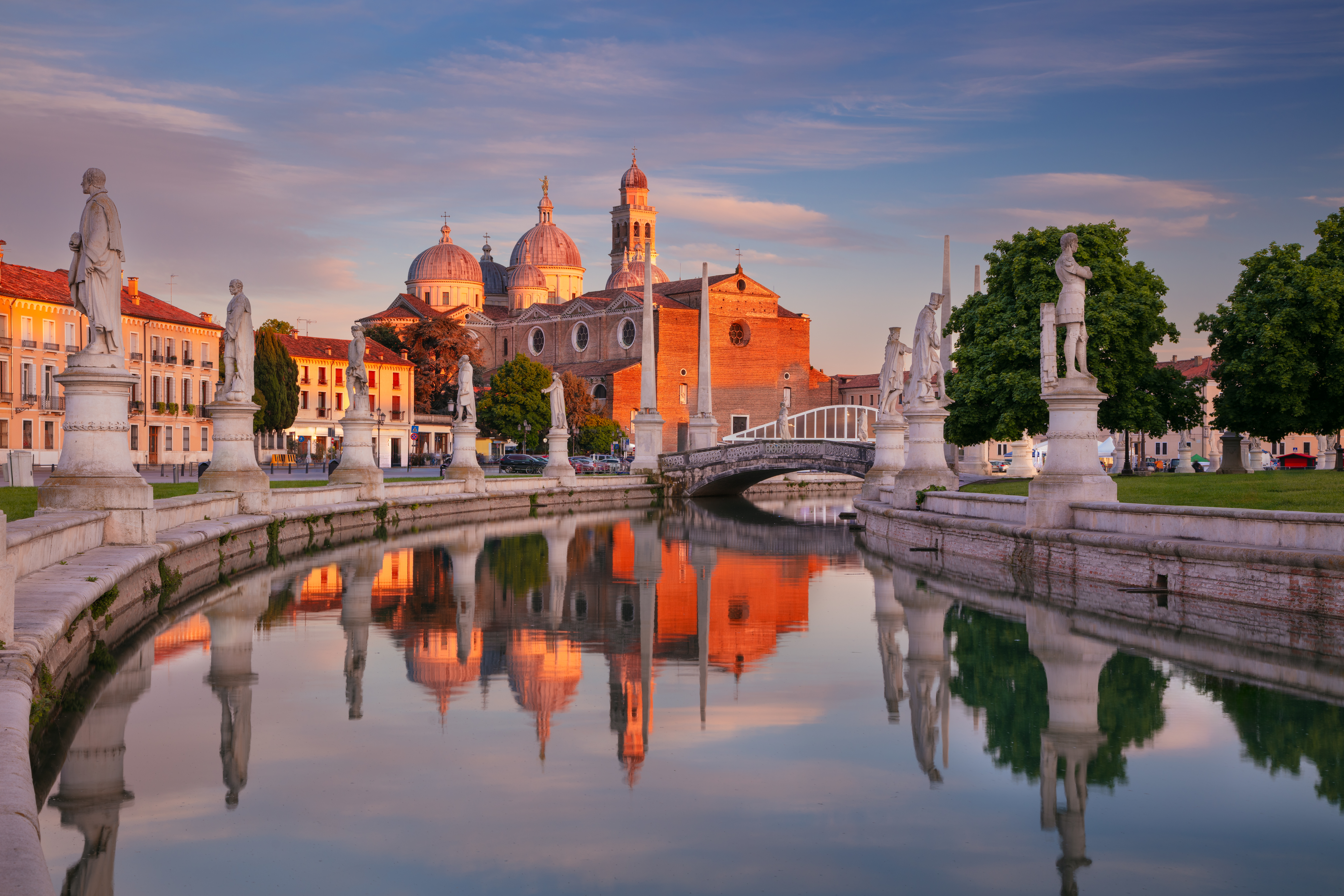
If you’re based in Venice and craving a day away from the crowds or a change of scene, a day out that blends Renaissance genius, sacred art, university grandeur and relaxed local life, Padova (Padua) is your perfect excursion. It’s compact, cultured, and wonderfully authentic – the kind of place where you’ll hear more Italian than English and feel like you’ve stepped into a living, breathing city rather than an open-air museum.
And the best part? You’ll be there in half an hour by train.
How to Get from Venice to Padova by Train
Trains run frequently from Venezia Santa Lucia to Padova railway station.
Journey time: 26–35 minutes
Train types: Regionale (most common) and Frecciarossa (high-speed)
Frequency: 3–4 trains per hour
Ticket cost: Usually €5–€15 depending on train
Seat reservations: Not required for Regionale
For flexibility, take a Regionale train – no seat booking required, just validate your ticket (if paper) and hop on. Trains drop you right in the heart of the city, about a 15-minute walk or short tram ride from the historic centre.
The Must-See: The Scrovegni Chapel & Giotto’s Frescoes
If you do just one thing in Padova, make it this.
Scrovegni Chapel
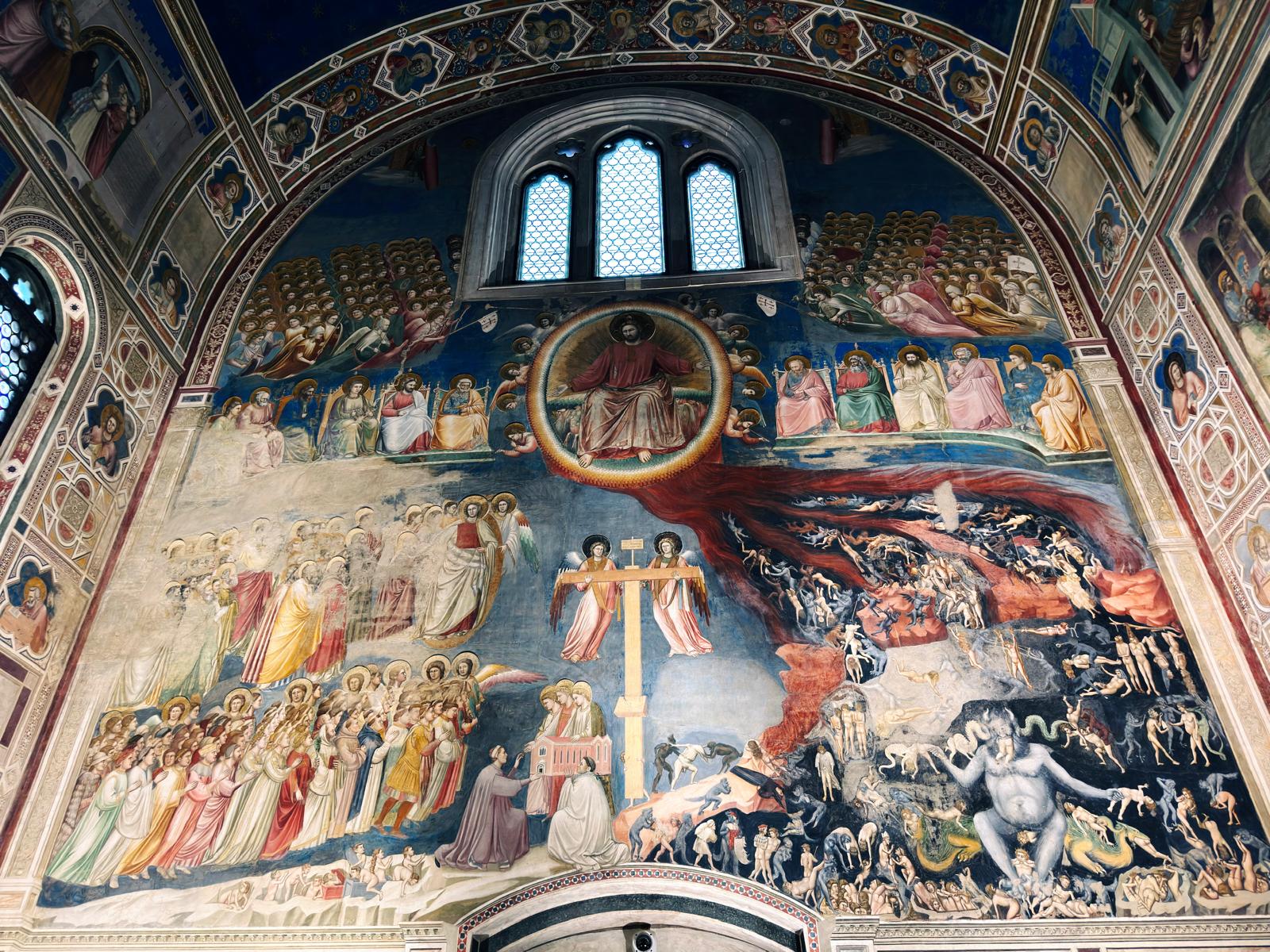
Tucked beside a quiet garden, this modest brick chapel contains one of the greatest masterpieces of Western art. Between 1303–1305, Giotto transformed its walls into a revolutionary cycle of frescoes – scenes from the lives of Mary and Christ, culminating in a dramatic Last Judgment that still feels astonishingly modern.
What makes it so powerful?
Real emotion in the faces – grief, wonder, tenderness. This was groundbreaking at the time and inspired generations of artists thereafter.
Natural movement and perspective (centuries before the Renaissance bloomed in Florence)
A deep ultramarine blue ceiling scattered with golden stars
You don’t just look at these frescoes. You stand inside them.
Important: Book in Advance
Visits are strictly timed (usually 15–20 minutes inside).You must reserve online, especially in spring and summer.
Before entering, you’ll wait in a climate-controlled room to protect the artwork – a reminder that this is a UNESCO-level treasure.
Musei Civici agli Eremitani (Civic Museum)
Your ticket includes entry to the Civic Museums next door. Don’t skip it.
Highlights include:
Archaeological collections from Roman Padua
Exquisite Medieval and Renaissance works as well as 19th and 20th century works from Veneto artists
Context for Giotto’s influence & a close up look at his wooden crucifix ( painted on both sides so don't miss this ).
It turns a short chapel visit into a rich, half-day cultural immersion.
Tip: Book an early morning slot for the chapel, then explore the museum at a relaxed pace afterward.
The Spiritual Heart: Basilica di Sant’Antonio
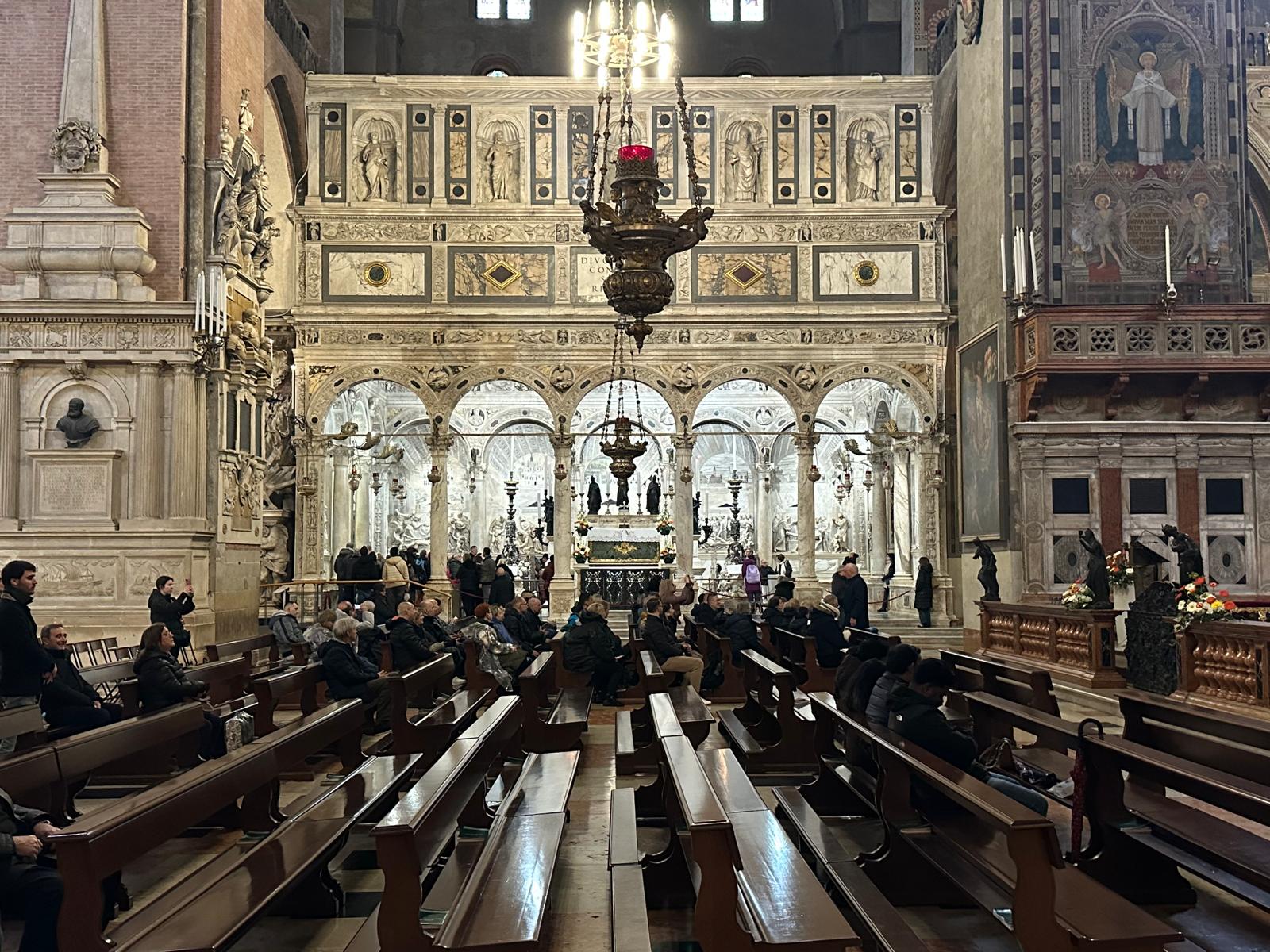
A short walk from the centre rises this extraordinary fusion of Romanesque, Gothic and Byzantine styles – domes, arches and quiet courtyards creating one of Italy’s most important pilgrimage sites.
Dedicated to Saint Anthony of Padua, the basilica draws visitors from around the world.
Inside you’ll find:
The saint’s ornate tomb & relics ( there may be a queue but its a deeply moving experience to file past along with the faithful )
Lavishly decorated chapels
Byzantine-style domes overhead
Donatello’s bronze crucifix
A series of beautiful cloisters, in the centre of which stands the most magnificent ancient Magnolia Tree, a sight to behold even when not in flower.
Outside in the piazza stands Donatello’s equestrian statue of Gattamelata – one of the first Renaissance bronze statues since Roman times.
Even if you’re not religious, the scale, art and atmosphere in this cavernous and beautiful are deeply moving.
The University & Palazzo della Ragione
Padova is a university city – lively, intellectual and refreshingly local.
University of Padua
One of Europe’s oldest universities (founded 1222), where Galileo once taught. If open, you can visit the historic anatomical theatre – an extraordinary wooden structure shaped like an inverted cone.
Palazzo della Ragione
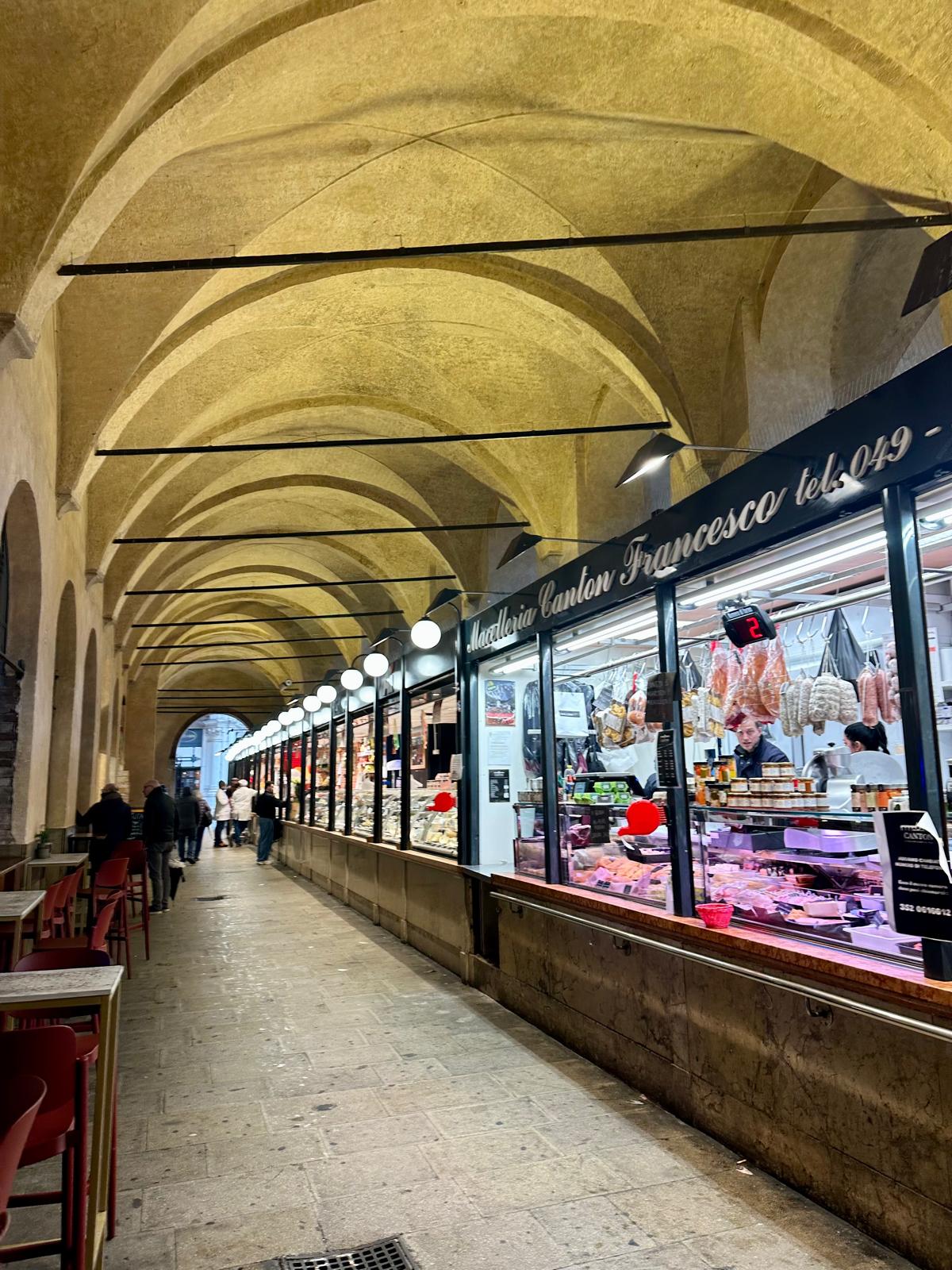
This vast medieval hall once housed courts and markets. Today, it towers above bustling piazzas filled with produce stalls and cafés.
Under its arcades you’ll find:
• Gourmet delis• Pasta shops• Wine bars• Bakeries selling focaccia and Venetian pastries
It’s one of the best places to soak up daily life.
Riverside Walks & Hidden Corners
Padova is crisscrossed by waterways that once linked it to Venice.
Prato della Valle
One of Europe’s largest squares – a sweeping elliptical green space ringed by statues. Perfect for a quiet break.
Orto Botanico di Padova
The world’s oldest academic botanical garden (UNESCO-listed), founded in 1545. A peaceful and fascinating stop if you have time.
Or simply wander under the porticoes. Padova has kilometres of covered walkways – ideal if the weather turns.
Where to Eat in Padova
Padova is deeply Veneto in flavour – hearty, elegant, seasonal.
Lunch ideas:
Osteria dal Capo – rustic classics
Enotavola Pino – small, wine-focused and intimate
La Folperia – legendary seafood stall in Piazza della Frutta
Try: Bigoli pasta, Baccalà (salt cod), Spritz (this is Spritz country)
Suggested Padova Day Trip Itinerary
Morning:
Take a train from Venice around 8:30–9:00 AM
Timed entry at Scrovegni Chapel
Explore the Civic Museum
Midday:
Walk to Palazzo della Ragione and the markets
Lunch in the historic centre
Afternoon:
Visit Basilica di Sant’Antonio
Stroll Prato della Valle or the Botanical Garden
Return by Evening train back to Venice (services run until late)
Why Padova Makes the Perfect Venice Day Trip
Quick and easy rail connection
World-class art without Florence-level crowds
Authentic university-city atmosphere
Manageable in one relaxed day
Feels completely different from Venice
Padova is thoughtful rather than theatrical. Artistic rather than ostentatious. It’s a place that rewards slowing down – and proves that some of Italy’s greatest treasures lie just 30 minutes down the tracks.
If you’re exploring northern Italy by rail and want more flexible itineraries, hidden gems and practical train tips, you can find them inside Touring Italy by Train — designed for independent travellers who want freedom without the stress.