
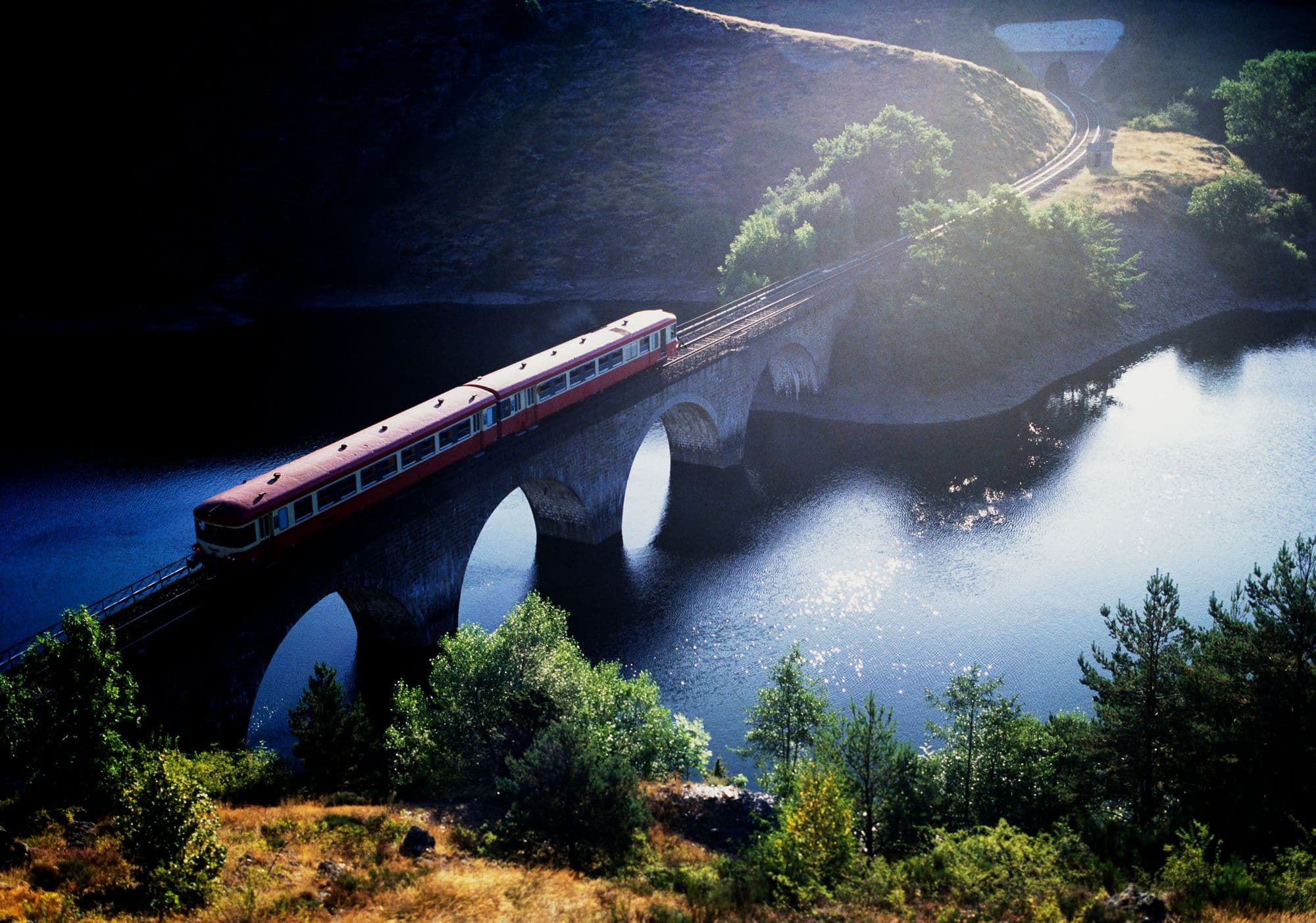
The Cévennes Line is one of France’s most beautiful and underrated railway journeys. Running from Clermont-Ferrand to Nîmes, it cuts through volcanic landscapes, deep river valleys, remote villages and the wild heart of southern France. This is slow travel at its best — a train journey where the views are the highlight and the destinations at either end reward you with culture, history and food. This guide covers what to expect onboard, the most scenic sections of the journey, what to do in Clermont-Ferrand and Nîmes, and how to plan a relaxed rail-based weekend around one of France’s great train routes.
Why Go?
This journey is about discovery rather than speed. The Cévennes Line passes through landscapes many visitors never see: the Massif Central’s volcanic plateaus, the Tarn and Gard valleys, stone viaducts, chestnut forests and isolated hamlets. It’s ideal for travellers who love scenery, rail journeys and authentic France away from main tourist routes.
A Bit of History
The Cévennes Line was built in the 19th century to open up remote regions of central and southern France. Engineers carved tunnels through mountains and built elegant viaducts across deep valleys, creating a vital link between the Auvergne and the Mediterranean. Today, the line survives as a regional rail service — slower than high-speed routes, but infinitely richer in atmosphere.
What to Expect Onboard
Expect a comfortable regional TER train with large windows and relaxed pacing. This is not a high-speed journey — it’s designed for watching landscapes unfold. The train slows through dramatic sections, crosses multiple viaducts and follows rivers for long stretches. Bring snacks, water and a camera; this is a journey to savour.
Journey Highlights – What You’ll See Along the Way
Volcanic Landscapes near Clermont-Ferrand: Rolling plateaus and dark volcanic rock as the train leaves the Auvergne.
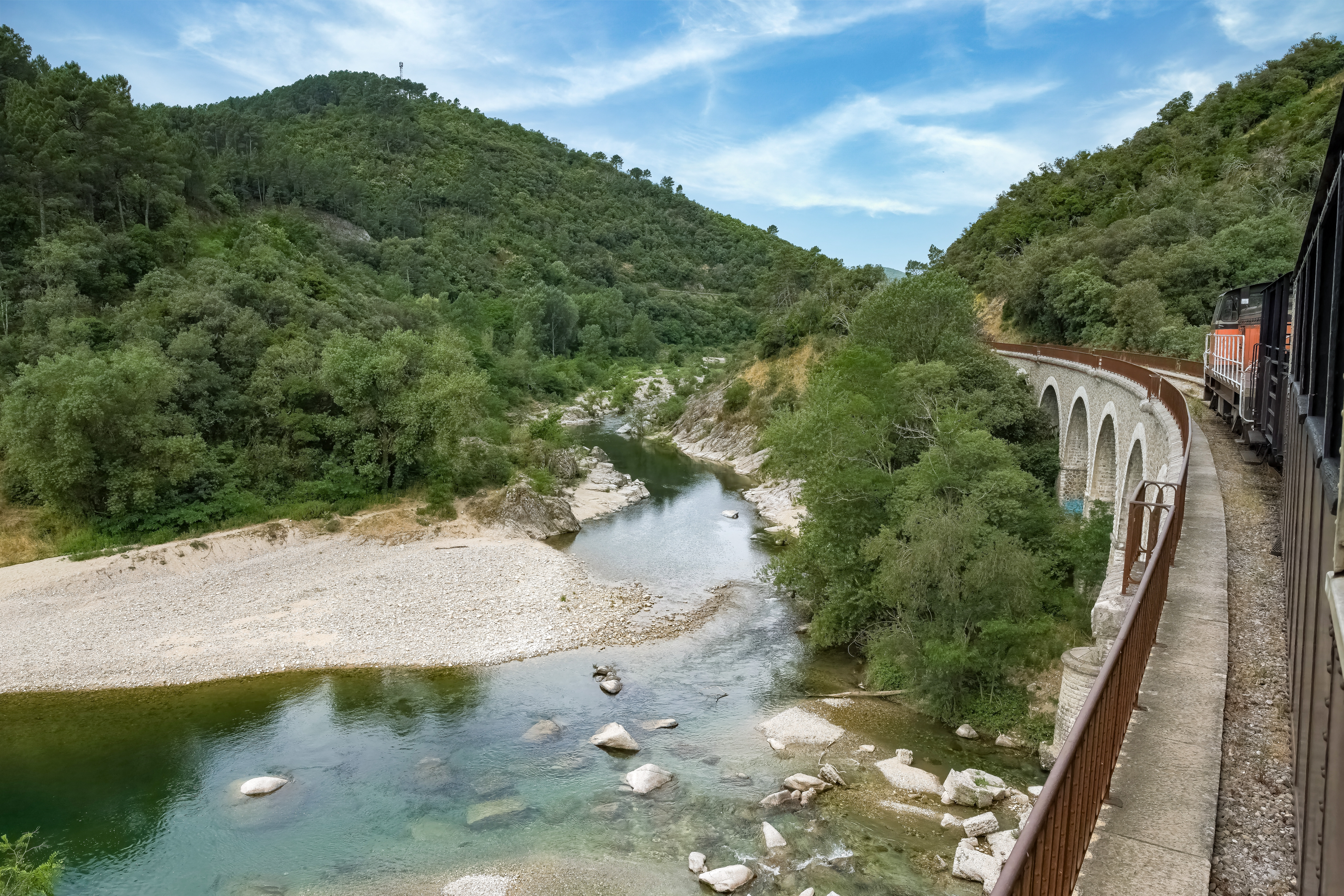
Allier & Tarn River Valleys: The line snakes along rivers, offering constant water-and-mountain views.
Stone Viaducts & Tunnels: Historic engineering feats across deep gorges.
Remote Cévennes Villages: Tiny stations serving isolated communities — a glimpse of rural France.
Chestnut Forests & Rugged Hills: Wild, untamed scenery as you approach the Cévennes National Park.
Food Culture (Along the Route)
This journey passes through regions known for hearty, rural cuisine. Expect slow-cooked dishes, cheeses, charcuterie and simple, robust flavours shaped by mountain life and farming traditions.
Regional Food Explained
Aligot: Mashed potatoes blended with cheese from the Auvergne.
Truffade: Potatoes cooked with melted cheese and garlic.
Chestnut Dishes: Soups, breads and desserts in the Cévennes.
Brandade de Morue: Salt cod speciality closer to Nîmes.
Local Wines: Light mountain wines and southern Rhône blends near the end.
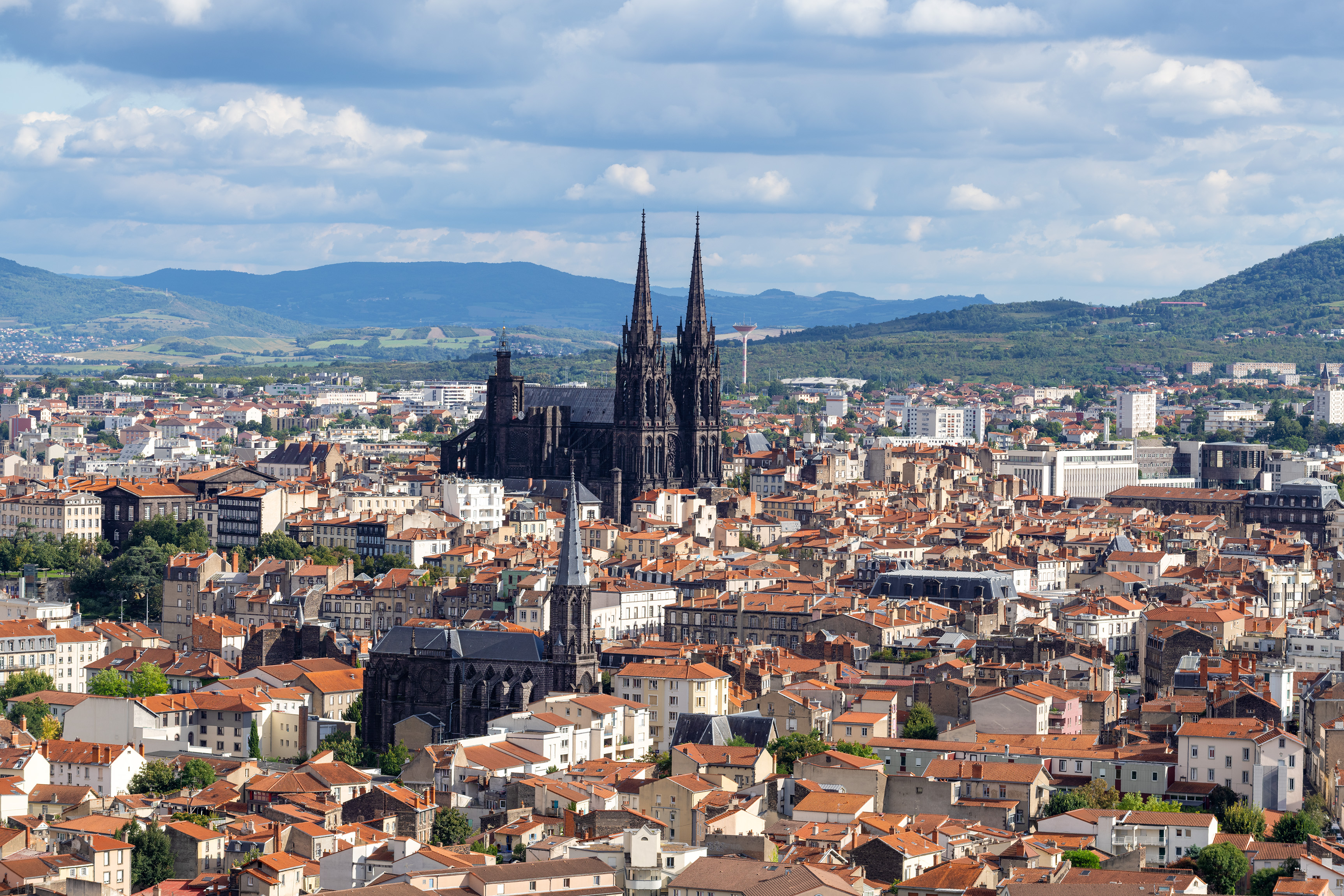
Starting Point: Clermont-Ferrand – What to Do
Clermont-Ferrand makes a characterful starting base, surrounded by volcanoes and known for its dark stone architecture.
Things to Do:
Explore the black lava-stone Cathédrale Notre-Dame-de-l’Assomption
Walk the historic centre and Place de Jaude
Day trip to the Chaîne des Puys (UNESCO-listed volcanoes)
Enjoy local cuisine in traditional brasseries
Where to Stay:
Hotel Oceania Clermont-Ferrand – central and comfortable
Hôtel des Puys – good value near the old town
End Point: Nîmes – What to Do
At the southern end, Nîmes offers Roman history, Mediterranean light and excellent food.
Things to Do:
Visit the Arènes de Nîmes
Explore the Maison Carrée
Stroll through the Jardins de la Fontaine
Enjoy wine bars and terraces in the historic centre
Where to Stay:
Hôtel Marquis de la Baume – stylish old-town base
Ibis Styles Nîmes Centre Gare – convenient for rail travellers
Where to Eat (At Either End)
Clermont-Ferrand:
Le Puy de la Lune – modern regional cooking
La Table de l’Ours – local Auvergne specialities
Nîmes:
Le Lisita – Provençal and Camargue dishes
Les Halles de Nîmes – casual eating and local produce
Off the Beaten Track Stops (If You Break the Journey)
Langogne: Lakeside walks and quiet streets
Alès: Gateway to the Cévennes with mining history
Génolhac: Tiny mountain village station deep in the Cévennes
How to Travel the Cévennes Line
Operated by TER regional trains
Journey time: approx. 6–6.5 hours end to end
Usually requires 1–2 changes
Best done during daylight for scenery
Seats are unreserved — arrive early for window seats
Perfect Weekend Itinerary Using the Cévennes Line
Day 1
Arrive in Clermont-Ferrand. Explore the old town and enjoy dinner featuring Auvergne cuisine.
Day 2
Take the Cévennes Line south, enjoying the full scenic journey. Arrive in Nîmes late afternoon. Evening stroll and dinner.
Day 3 (Optional)
Explore Nîmes or take a short trip to the Pont du Gard before returning home by train.
Real Travel Guides – Real Travel. By Rail.