
The Glacier Express: What It’s Really Like (And Is It Worth It?)
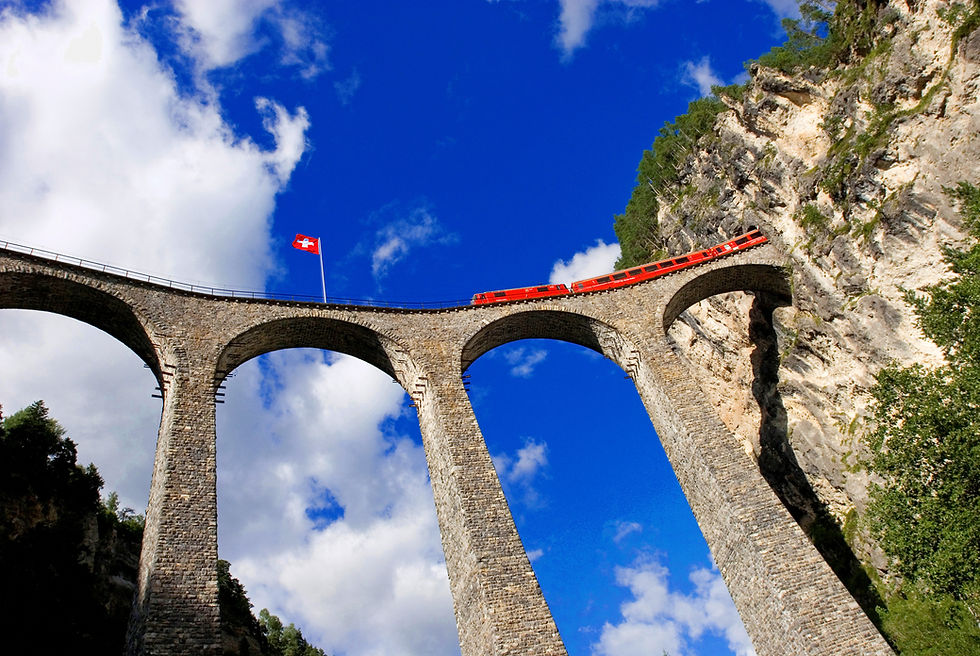
There are train journeys, and then there are experiences that become the highlight of an entire trip. The Glacier Express sits firmly in the second category.
Stretching across the heart of the Swiss Alps, this legendary route connects the car-free mountain village of Zermatt with the glamorous resort town of St. Moritz. But calling it simply a train ride doesn’t do it justice. This is a slow, cinematic journey through some of the most dramatic landscapes in Europe—where every turn reveals something new.
And yet, for all its fame, one question comes up again and again: Is the Glacier Express actually worth it?
The short answer: yes—but only if you know how to do it right.
Why Go: More Than Just a Scenic Train
The Glacier Express isn’t about getting from A to B. It’s about seeing Switzerland in a way that’s simply impossible by car.
A front-row seat to the AlpsYou’ll pass deep gorges, high mountain passes, remote villages, and vast open valleys—all without lifting a finger.
Engineering that defines SwitzerlandThe route crosses 291 bridges and 91 tunnels, a reminder of how extraordinary Swiss rail infrastructure really is.
A constantly changing landscapeOver the course of the journey, you move from vineyard-lined valleys to high alpine terrain and back again.
Effortless travelNo driving, no navigation—just sit back and watch the country unfold.
The Journey: What Actually Happens on Board
The full journey takes around 7.5 to 8 hours, depending on the service, and runs between Zermatt and St. Moritz (or Davos).
Key Highlights Along the Route
Zermatt: Your journey begins beneath the shadow of the Matterhorn. With no cars allowed, the village feels peaceful, almost timeless.
Brig & the Rhône Valley: As you leave Zermatt, the landscape opens into a wide valley dotted with vineyards and traditional chalets.
The Oberalp Pass (2,033m): The highest point of the route. In winter, this is a snow-covered wonderland; in summer, lush alpine meadows.
The Rhine Gorge (the “Swiss Grand Canyon”): One of the most striking sections of the journey, with sheer white cliffs and a winding turquoise river below.
The Landwasser Viaduct: Perhaps the most famous moment: the train curves across a dramatic stone bridge straight into a tunnel carved into the mountainside.
A Bit of History: Why This Route Exists
The Glacier Express is actually a combination of two historic railways:
The Matterhorn Gotthard Railway
The Rhaetian Railway (RhB)
The RhB section, in particular, is now a UNESCO World Heritage Site, recognized not just for its beauty, but for its pioneering engineering.
When these lines were first built in the early 20th century, they transformed isolated alpine communities—turning remote villages into accessible destinations and helping shape Switzerland’s tourism industry as we know it today.
What It’s Like On Board
This is where expectations matter.
The Glacier Express is designed as a panoramic experience, with large windows that curve into the roof, giving you uninterrupted views.
What to Expect:
Spacious seating
Audio commentary (via headphones or app)
Optional multi-course meal served at your seat
A calm, unhurried pace
But here’s the key insight:
👉 It’s not a luxury train in the traditional sense. It’s comfortable and well-organised—but the real luxury is the view.
Food & Culture Along the Way
One of the joys of this journey is how it quietly introduces you to regional Swiss culture.
In Valais (near Zermatt), you’ll find influences of mountain farming traditions, with hearty dishes like raclette and air-dried meats.
As you move east, the cuisine becomes lighter and more alpine—think barley soup (Bündner Gerstensuppe) and local cheeses.
The Engadin region near St. Moritz even has its own language—Romansh, one of Switzerland’s four national languages.
If you opt for the onboard meal, expect dishes inspired by these regions, though for food lovers, exploring local restaurants before or after the journey is often more rewarding.
How to Plan It (Without Overcomplicating Things)
This is where many people get confused—but it’s actually quite simple.
Tickets vs Reservations
You can travel using a Swiss Travel Pass or a regular ticket
BUT you must also book a seat reservation for the Glacier Express
Best Direction?
Both directions are great, but:
Zermatt → St. Moritz feels like a gradual build in scenery
St. Moritz → Zermatt arguably ends with a stronger finale (Matterhorn)
Best Time of Year
Summer (June–September): green landscapes, clear views
Winter (December–March): snow-covered, magical, but shorter daylight
Insider Tips (This Is Where It Gets Interesting)
These are the details that make a big difference:
Sit on the right side (Zermatt → St. Moritz) for some of the best views
Bring snacks if you’re not doing the full meal service
Consider splitting the journey (e.g., stop in Chur) to avoid fatigue
Or… take the local trains instead
👉 This is the biggest insider tip of all:
You can travel the exact same route using regular regional trains—
No reservation required
Windows that open (better for photos)
More flexibility
So… Is the Glacier Express Worth It?
Yes absolutely—but it depends on what you want.
It is worth it if:
You want a bucket-list experience
You love the idea of a single, seamless scenic journey
You’re happy to sit back and enjoy the ride
It might not be if:
You prefer flexibility and spontaneity
You want to stop frequently along the way
You’re travelling on a tighter budget
Final Thought
The Glacier Express isn’t just about the train—it’s about understanding what makes Switzerland so special.
A country where even the journey becomes the destination.Where engineering meets nature in the most effortless way. And where travel feels less like logistics—and more like discovery.
👉 If you want to explore this route in more depth—along with flexible alternatives, stop-by-stop itineraries, and practical planning tips—this is exactly what we cover in Touring Switzerland by Train.
To access the guide go our books page or visit https://mybook.to/SwitzerlandByTrain


Comments