
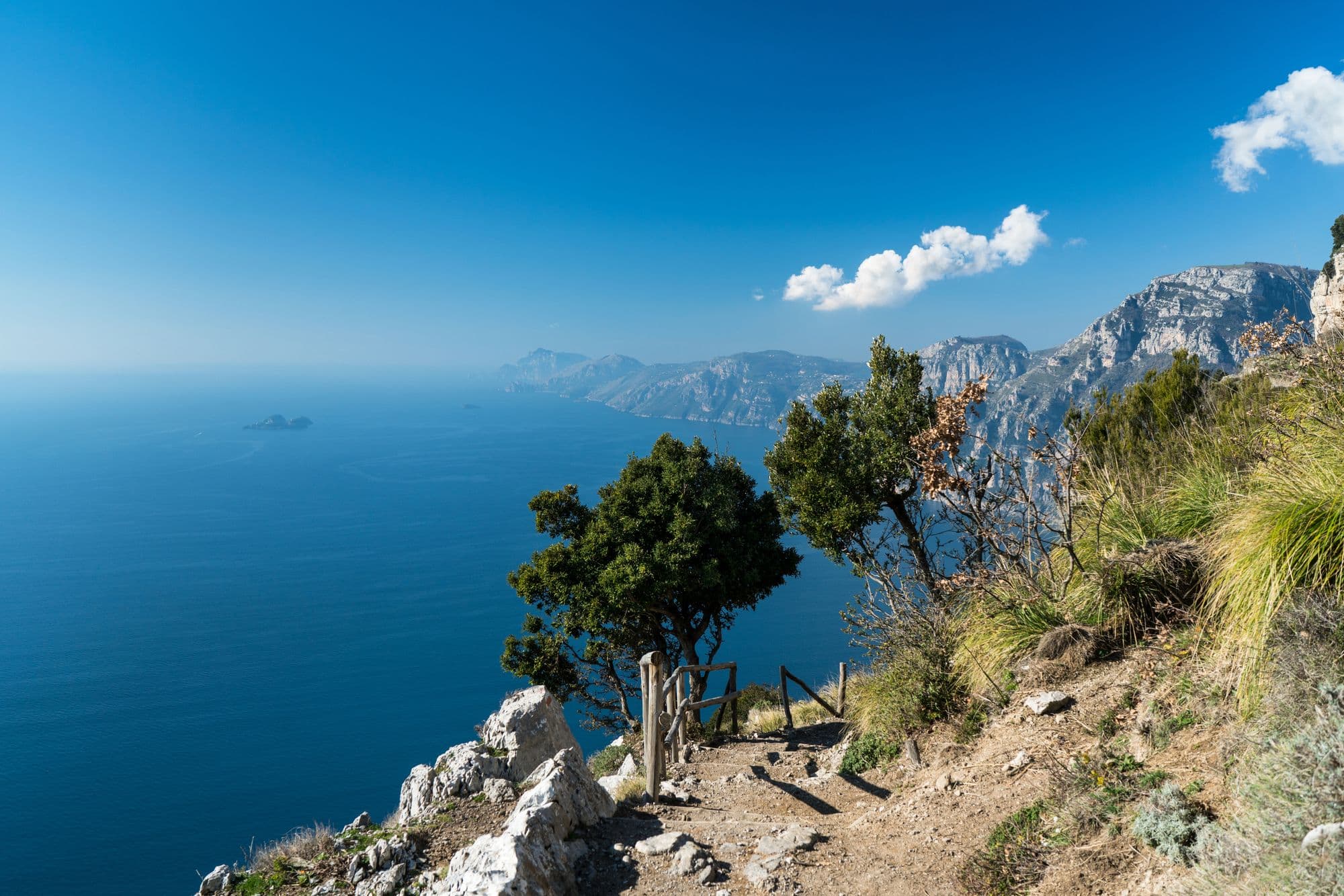
If you’re planning to explore the Amalfi Coast on foot, spring is without question the best time to go.
From April to early June, the coastline transforms into a landscape of wildflowers, green terraces, and clear coastal views. Temperatures are ideal for hiking, trails are quieter, and the entire region feels more authentic compared to the peak summer months.
Whether you’re planning to walk the Path of the Gods or explore hidden lemon groves and valleys, this guide covers everything you need—best walks, where to stay, where to eat, and how to plan your trip without a car.
Why Spring Is the Best Time to Visit the Amalfi Coast
Spring offers the perfect balance of good weather, manageable crowds, and excellent walking conditions.
Unlike summer, when heat and crowds can make hiking uncomfortable, spring allows you to explore at a slower, more enjoyable pace.
Key benefits of visiting in spring:
Ideal hiking temperatures (14–24°C)
Fewer tourists on popular trails
Better availability and value for accommodation
Lush landscapes with flowers in bloom
Easier restaurant bookings and a more relaxed atmosphere
For walkers and independent travellers, it’s easily the most rewarding season.
Amalfi Coast Weather in Spring
Understanding the weather helps you plan your walking days effectively:
April: 14–20°C (cool mornings, occasional showers)
May: 17–24°C (warm, sunny, ideal for hiking)
Early June: 20–27°C (warmer but still manageable)
Packing tips:
Light layers for changing temperatures
Comfortable walking shoes
Sun protection for exposed trails
Light waterproof jacket (especially in April)
How to Get Around the Amalfi Coast Without a Car
The Amalfi Coast is one of the best regions in Italy to explore car-free.
Driving is difficult due to narrow roads and traffic, but public transport connects all key towns and trailheads.
Train: High-speed trains to Naples, then Circumvesuviana to Sorrento
Bus: SITA buses link Sorrento, Positano, Amalfi, Ravello, and Agerola
Ferry: Scenic coastal connections between towns (from spring onwards)
Most walks begin directly from villages, making it easy to combine transport and hiking.
Where to Stay on the Amalfi Coast for Walking
Choosing the right base can transform your experience, especially if your focus is hiking.
Rossi Palace Amalfi Coast Suites (Best for Path of the Gods)
Our top pick for walkers, particularly those planning to hike the Path of the Gods. Its location provides easy access to Agerola (the main trailhead), while offering a peaceful retreat away from the busiest tourist areas. Spacious suites, sea views, friendly staff and a quieter setting make it ideal for relaxing after long walks.
Hotel Santa Caterina, Amalfi (Luxury Coastal Stay)
A stunning cliffside hotel with panoramic terraces and private beach access. Perfect if you want to combine walking with a more upscale experience.
Le Sirenuse, Positano (Iconic Luxury)
One of the Amalfi Coast’s most famous hotels, offering exceptional views, elegant interiors, and a central location in Positano.
Palazzo Avino, Ravello (Elegant Hilltop Retreat)
A refined and მშვიდ hilltop hotel with incredible views over the coastline—ideal for a quieter, more relaxed stay with access to scenic walking routes.
Hotel Marina Riviera, Amalfi (Great Mid-Range Option)
A well-located hotel with sea views, excellent service, and easy access to transport and walking routes.
Best Walks on the Amalfi Coast in Spring
Spring is the perfect season to explore the Amalfi Coast’s famous trails.
Path of the Gods (Sentiero degli Dei)
Start: Bomerano (Agerola)
End: Nocelle
Distance: 7 km
Time: 2.5–3 hours
The most iconic walk on the Amalfi Coast, offering breathtaking views across the sea and coastline. Spring provides cooler temperatures and clearer visibility.
Valle delle Ferriere
Start: Amalfi
Distance: 6–8 km
Time: 3–4 hours
A lush, shaded valley walk with waterfalls and rare plants—perfect for warmer spring days.
Ravello to Amalfi via Atrani
Distance: 3 km
Time: 1.5–2 hours
A scenic descent through historic stairways, ending in one of the coast’s most beautiful villages.
Path of the Lemons (Minori to Maiori)
Distance: 3 km
Time: 1–1.5 hours
A gentle walk through terraced lemon groves with constant sea views.
Positano to Nocelle
Distance: 5–6 km
Time: 2–3 hours
A quieter alternative to the Path of the Gods with equally stunning views.
Where to Eat on the Amalfi Coast
Spring is one of the best times to enjoy local food without peak-season crowds.
Recommended restaurants:
Da Adolfo (Positano): Casual beachfront dining with fresh seafood
Ristorante Marina Grande (Amalfi): Classic coastal dishes right by the water
Il Pirata (Praiano): Dramatic seaside setting with excellent seafood
Rossellinis (Ravello): Michelin-starred dining with panoramic views
Trattoria da Lorenzo (Scala): Authentic, family-run and less touristy
Local dishes to try:
Scialatielli ai frutti di mare
Delizia al limone
Fresh grilled fish
Mozzarella and local cheeses
Limoncello
A Perfect Amalfi Coast Spring Itinerary
Day 1: Arrive via Naples and Sorrento. Settle into your hotel and explore Amalfi or Ravello.
Day 2: Walk the Path of the Gods early. Continue to Positano for lunch. Return by ferry or bus.
Day 3: Choose a quieter walk like Valle delle Ferriere or the Path of the Lemons. Enjoy a relaxed afternoon before departure.
Why Walking Is the Best Way to Experience the Amalfi Coast
The Amalfi Coast isn’t just about the road—it’s about the paths above it.
Walking reveals hidden viewpoints, quiet villages, and a deeper connection to the landscape. In spring, this experience is at its best—cooler, quieter, and far more enjoyable.
Final Thought
If you want to experience the Amalfi Coast at its most beautiful and authentic, spring is the perfect time.
You’ll avoid the crowds, enjoy ideal walking conditions, and see the region at its greenest and most vibrant.
Plan Your Italy Trip by Train
If you’re looking to explore Italy independently by rail, with ready-made routes, practical tips, and detailed itineraries, take a look at our guide: